
Cleanup and safety
Rat Bites: Do Rats Bite People, What Is Rat-Bite Fever, and What to Do If You Are Bitten
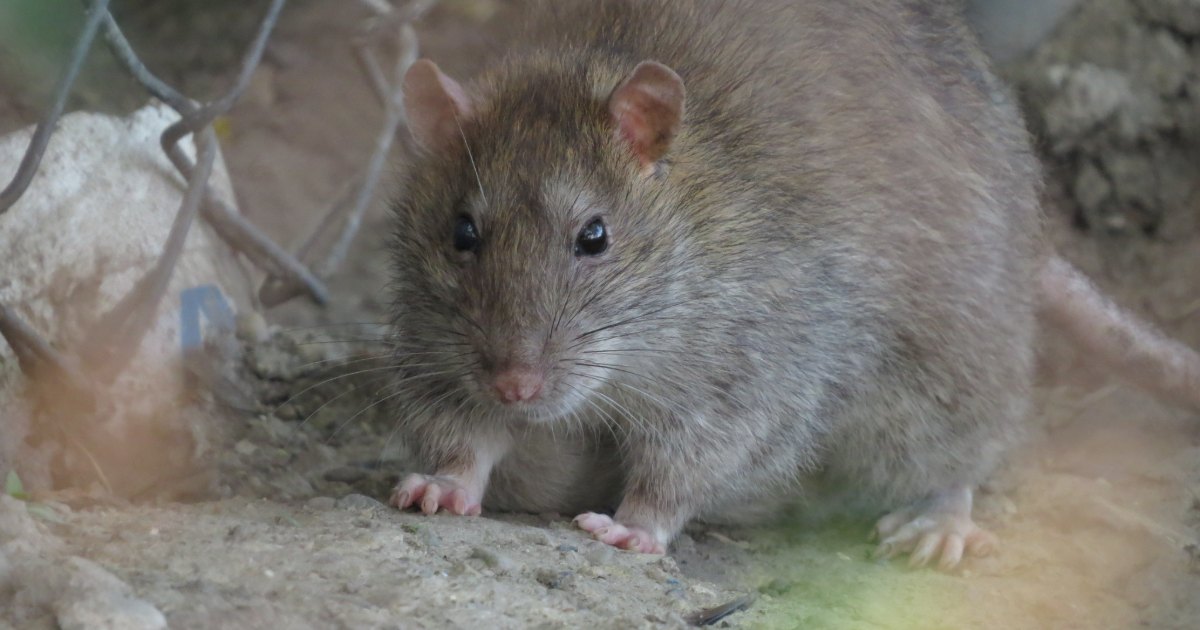
Rats can and do bite people. The sources describe two main situations: when someone handles a rat, and in homes with many rats, where sleeping infants and adults who cannot defend themselves are at risk. The main health concern after a bite is rat-bite fever, a rare bacterial infection that needs prompt antibiotics. Here is what CDC and state health departments say about rat bites and what to do after one. This page is general information, not medical advice.
If you have just been bitten or scratched by a rat: wash the wound well with soap and running water right away (CDC; Vermont Department of Health) and contact a healthcare provider. Tell them it was a rodent. If fever, vomiting, headache, muscle or joint pain or a rash appears in the next three weeks, CDC says to see a healthcare provider immediately and mention the rodent contact. A bite that will not stop bleeding, exposes muscle or bone, or is over a joint is a serious wound (CDC).
Do rats bite people?
Yes. ICWDM says that in areas with high numbers of rats, rats may bite infants and adults who are unable to defend themselves, and that bites typically happen where there is the smell of food, such as on the hands and mouth. The National Park Service’s rat management manual says the same groups, infants and helpless adults such as the unconscious, invalid and elderly, are the ones subject to attack. It gave an estimate of 14,000 to 24,000 rat bites to people a year in the United States; that manual is more than 15 years old, and we did not find a newer official figure.
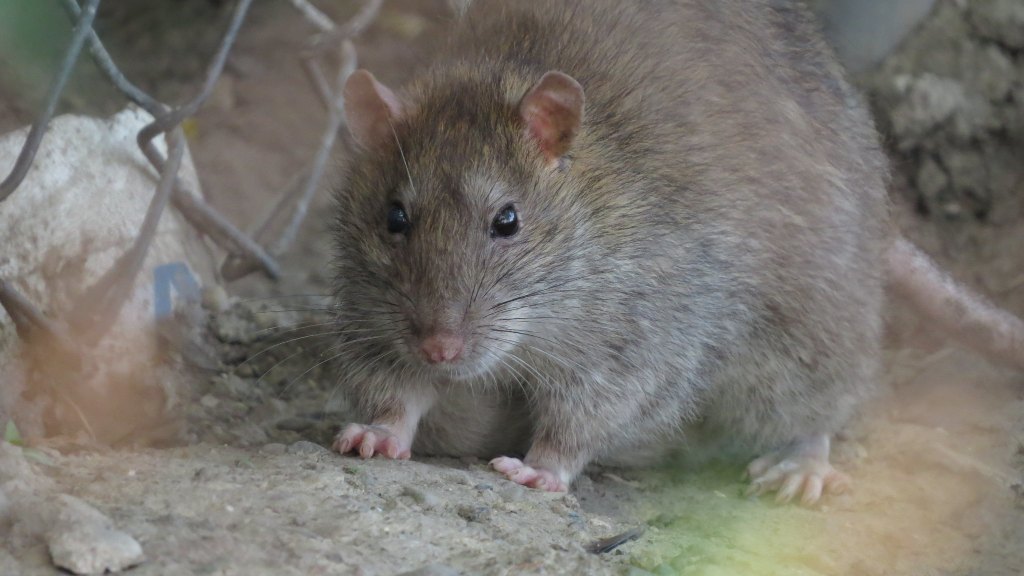
The other situation is handling. CDC says having pet rodents, handling rodents as feed for reptiles, or working with rodents in pet stores or laboratories increases the risk of rat-bite fever. A wild rat that is trapped, cornered or picked up can bite too, which is one more reason not to touch one with bare hands.
What to do after a rat bite
CDC’s advice on bites from small mammals, written for pet owners, starts with washing: if a bite breaks the skin, wash it with warm soapy water immediately, because even healthy animals carry germs. The Vermont Department of Health gives the same first step for any animal bite: wash the wound well with soap and running water, then contact your doctor and follow their instructions. The old NPS rat manual put it most simply: all rat bites should receive medical attention.
CDC lists the situations where medical attention matters most after a small-mammal bite:
- The wound is serious: bleeding that does not stop, inability to move the area, extreme pain, exposed muscle or bone, or a bite over a joint.
- The wound looks infected: red, painful, warm or swollen.
- Your last tetanus shot was more than 5 years ago.
- The animal lives outdoors or has been in contact with wildlife (always true of a wild rat), or it looks sick or is acting strangely.
- The person bitten is at higher risk of complications from an infected wound: younger than 5, 65 or older, pregnant, or with a weakened immune system.
Whatever happens next, say it was a rat. CDC stresses telling your provider about rodent contact, because rat-bite fever is treated with specific antibiotics.
Rat-bite fever: what CDC says
Rat-bite fever is a bacterial infection people can get from rodents. CDC says it is rare in the United States, but it must be treated quickly or it can cause severe illness and possibly death.
- Which animals. Rats, mice, gerbils, guinea pigs and squirrels can carry it. The bacteria are part of these animals’ normal germs, and a carrier shows no sign of illness, so you cannot tell by looking.
- How it spreads. Through bites and scratches, contact with a rodent’s saliva or urine, contaminated bedding or cages, kissing pet rats, and contaminated food or drink. A bite is not required. It does not spread from person to person.
- When symptoms start. Usually 3 to 10 days after contact, and up to 21 days. By then the bite may have healed, which is why it is easy to forget.
- What it looks like. In North America: fever, vomiting, headache and muscle pain; about half of people also have joint pain or swelling, and 3 in 4 get a rash. The rash may appear on the hands and feet 2 to 4 days after the fever, as flat reddened areas with small bumps. Infections picked up in Asia can look different, with swelling around the bite and swollen lymph nodes.
- Why speed matters. Complications are rare but can include pockets of infected fluid and infections of the liver, kidneys, lungs, heart, brain and nervous system. CDC says the infection resists many common antibiotics, but the right antibiotics can cure it if treatment starts soon after you become sick.
Do rats carry rabies?
Almost never. The Vermont Department of Health says small mammals including rats, mice, squirrels, chipmunks, hamsters, guinea pigs, gerbils, rabbits and hares are almost never found to be infected with rabies, and that bites from them usually do not need rabies testing or rabies shots. The older NPS manual went further, saying rats had never been found infected with rabies in nature and no transmission from rats had been documented in the United States. Whether a particular bite needs anything more is for your doctor or local health department to decide; CDC’s small-mammal page notes that animals kept outdoors may be at risk.
How to avoid being bitten
- Do not handle wild rats, alive or dead, with bare hands. CDC’s cleanup steps start with rubber or plastic gloves (what to do with a dead rodent).
- Do not use live traps or glue traps. CDC says not to use them, and a rat that is alive in a trap has to be handled. Snap traps set as in best rat traps avoid that.
- Protect the people ICWDM and NPS name. If rats are active in a home, infants and people who cannot move or wake easily are the ones at risk. Because ICWDM links bites to food smells on hands and faces, keeping food out of bedrooms and cleaning children’s hands and faces before sleep is a sensible step; that is our reading of the source, not a separate recommendation. The real fix is ending the infestation (how to get rid of rats), and in a household with a baby or a bedridden person it is worth considering professional help (when to call an exterminator).
- With pet rats, CDC advises not kissing them or holding them close to your face, and washing your hands with soap and running water after handling them, their cages or bedding.
Questions about rat bites
What does a rat bite look like?
We did not find an official description of a rat bite wound. What CDC does point out is that by the time rat-bite fever symptoms appear, the bite or scratch may already have healed.
Can a mouse bite give you rat-bite fever?
Yes. CDC lists mice among the rodents that can carry it, along with rats, gerbils, guinea pigs and squirrels. When mice bite, and what a mouse bite looks like, is in do mice bite?
Do I need a tetanus shot after a rat bite?
CDC lists more than 5 years since your last tetanus shot as one of the reasons to seek medical attention after a small-mammal bite. Your provider will decide.
Do rats bite people in their sleep?
It can happen in heavily infested homes. ICWDM and the NPS manual both describe rats biting infants and adults who cannot defend themselves, and ICWDM ties bites to food smells on the hands and mouth.
Is rat-bite fever contagious?
No. CDC says it cannot spread between people.
The essentials
The sources describe rat bites mainly when rats are handled or very numerous, and any bite should be taken seriously. Wash it well with soap and water, contact a healthcare provider and say it was a rodent, and watch for fever, vomiting, aches, joint pain or a rash over the next three weeks; if they appear, CDC says to get care immediately. Rats almost never carry rabies. Keep your hands off wild rats, skip live and glue traps, and deal promptly with rats in a home with a baby or a bedridden person.
Sources and verification
- CDC — About Rat Bite Fever (RBF) (July 2024)Rodents that carry RBF; no visible illness in carriers; seeking care immediately after a bite or scratch with symptoms; resistance to many common antibiotics; rare in the United States; symptoms in North America and Asia, timing of 3 to 10 days and up to 21, rash on hands and feet; complications; ways it spreads; higher-risk groups; not spread between people; telling the provider about rodent contact; cure with antibiotics started early.
- CDC — Small Mammals (Healthy Pets, Healthy People)Washing a bite that breaks the skin with warm soapy water; when to seek medical attention, including serious and infected wounds and more than 5 years since a tetanus shot; higher-risk groups; rabies risk for animals kept outside; not kissing small mammals or holding them close to the face; handwashing.
- Vermont Department of Health — RabiesSmall mammals including rats and mice almost never found infected with rabies and usually not needing rabies testing or shots; washing a bite with soap and running water and contacting your doctor.
- ICWDM — Norway Rat Damage IdentificationRats biting infants and adults unable to defend themselves where rats are numerous; bites where there are food odors on the hands and mouth.
- National Park Service — Integrated Pest Management Manual: Rats (archived copy, May 2010)Estimate of 14,000 to 24,000 bites a year; infants and helpless adults at risk; all rat bites should receive medical attention; no rabies found in rats in nature and no documented U.S. transmission.
- CDC — How to Trap Up to Remove Rodents and How to Clean Up After RodentsDo not use glue traps and live traps; rubber or plastic gloves for handling rodents.