Mouse Poison Around Dogs and Cats: What to Know Before Buying

Before buying mouse poison, learn how bait stations reduce access without making bait safe to eat, which alternatives to try, and what to do after possible exposure.

Cleaning contaminated areas, handling a dead rodent, pesticide and bait-station safety around children and pets. Built from CDC and EPA guidance.
Before buying mouse poison, learn how bait stations reduce access without making bait safe to eat, which alternatives to try, and what to do after possible exposure.
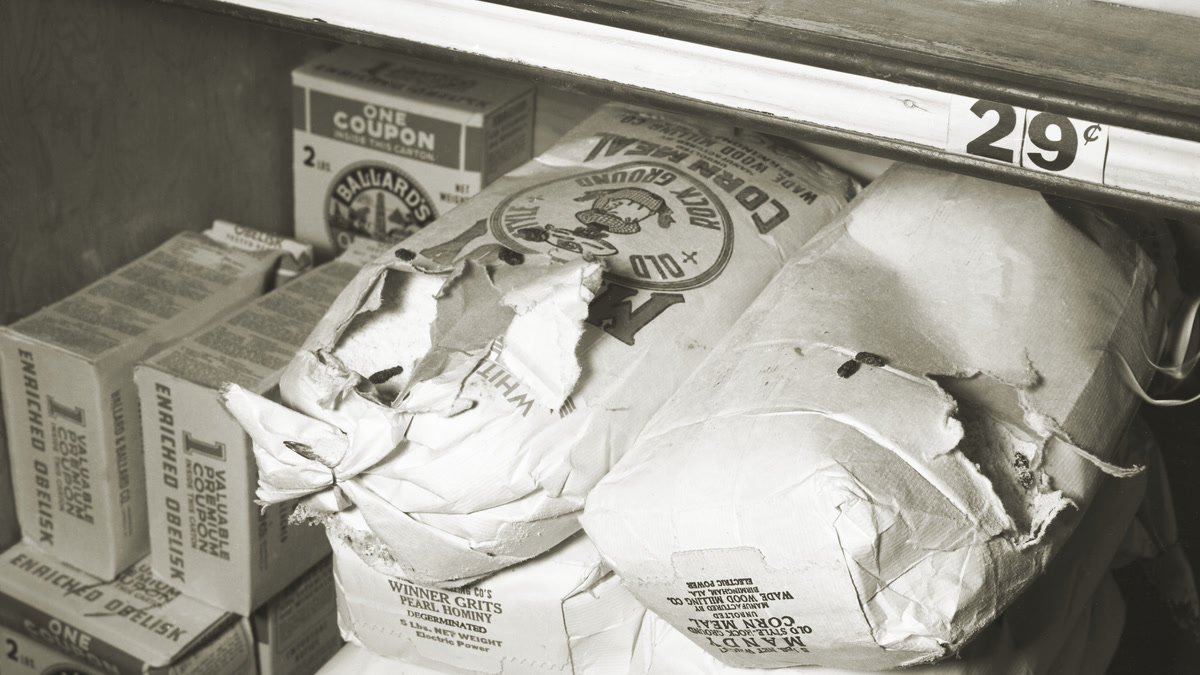
Found mouse droppings in a kitchen cabinet or pantry? Use FDA and CDC guidance to decide what food to throw away, which cans or jars may be sanitized, and how to disinfect the cabinet without sweeping or vacuuming droppings.
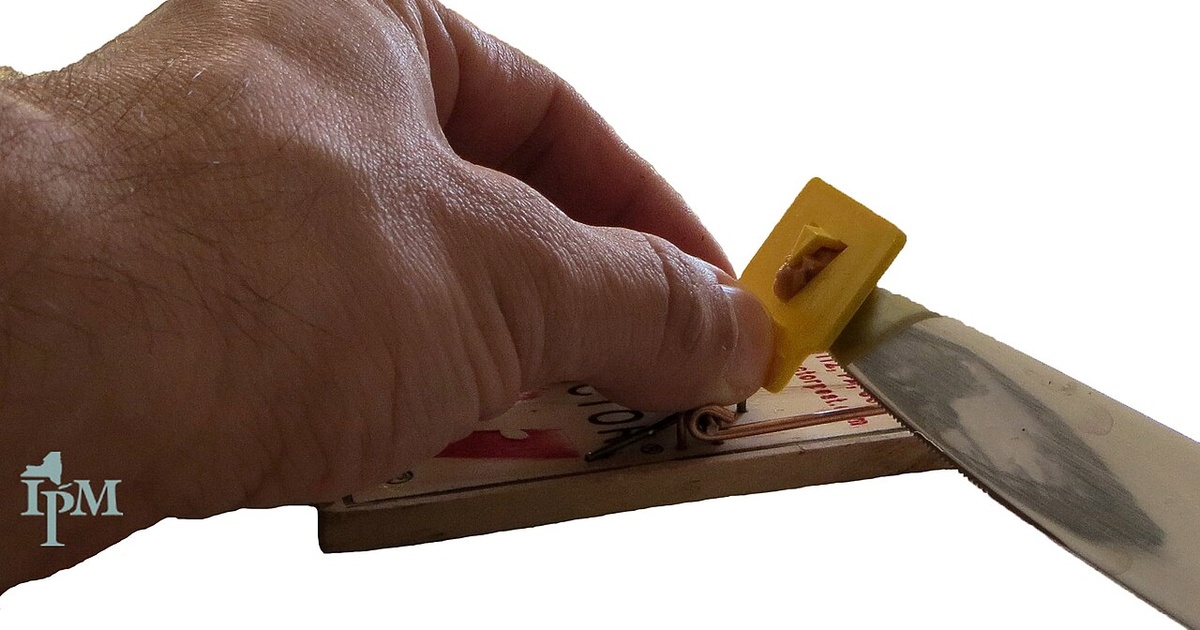
If you can reach it: gloves, disinfect, double-bag, covered trash, wash up — CDC’s procedure. If it is inside a wall, it is an access problem, not a cleaning one, and no smell trick replaces removal.
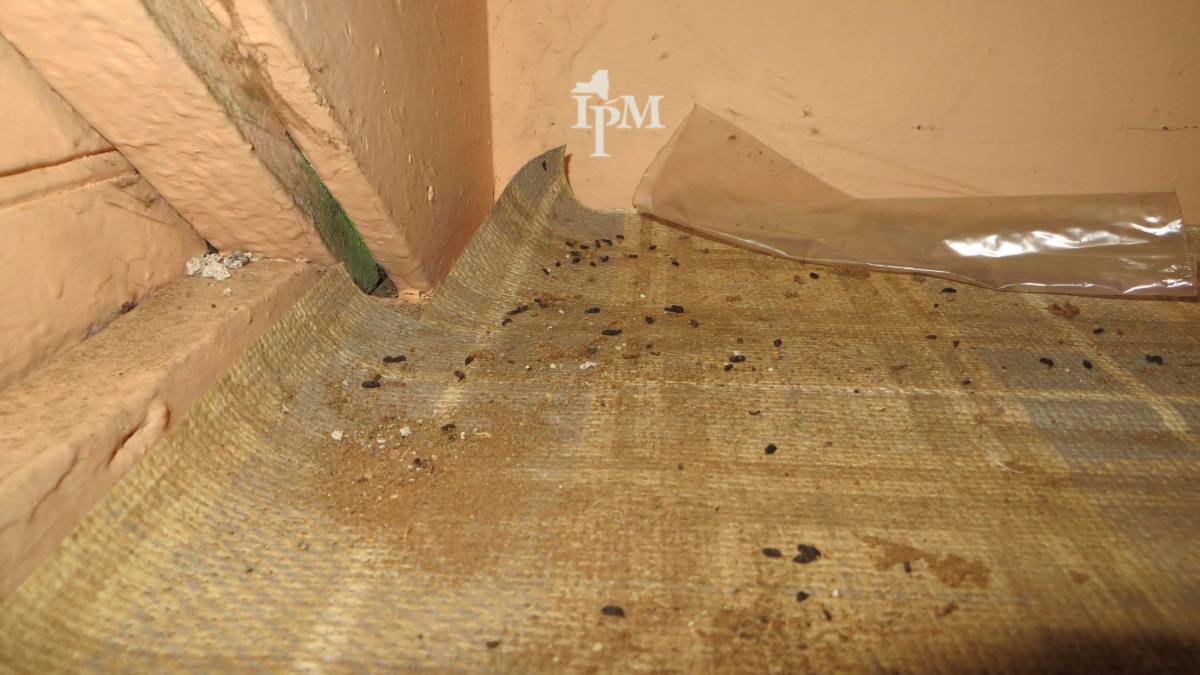
Mouse droppings can carry disease, but the honest answer depends on which rodent left them. What CDC documents about hantavirus, LCMV, old droppings, and who should not be doing the cleanup.
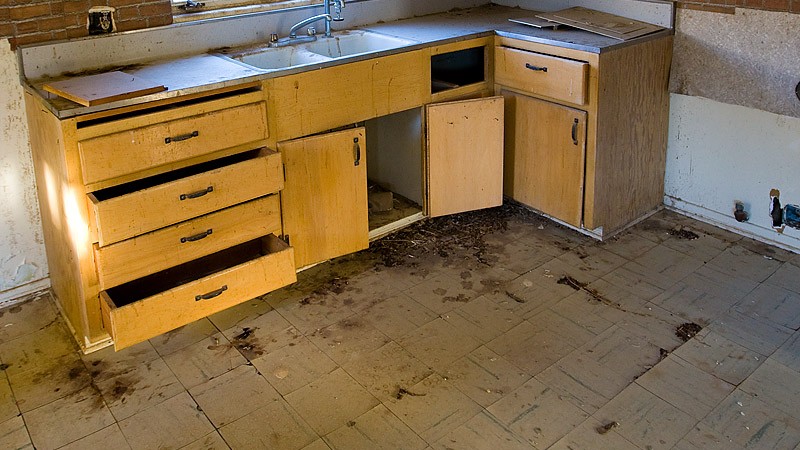
The safe way to clean up mouse droppings, step by step — including which surfaces need different handling, what to do if you already vacuumed, and when to call a professional.