Best Rat Traps: Which Type Works, Where to Set It, and Why Rats Avoid It
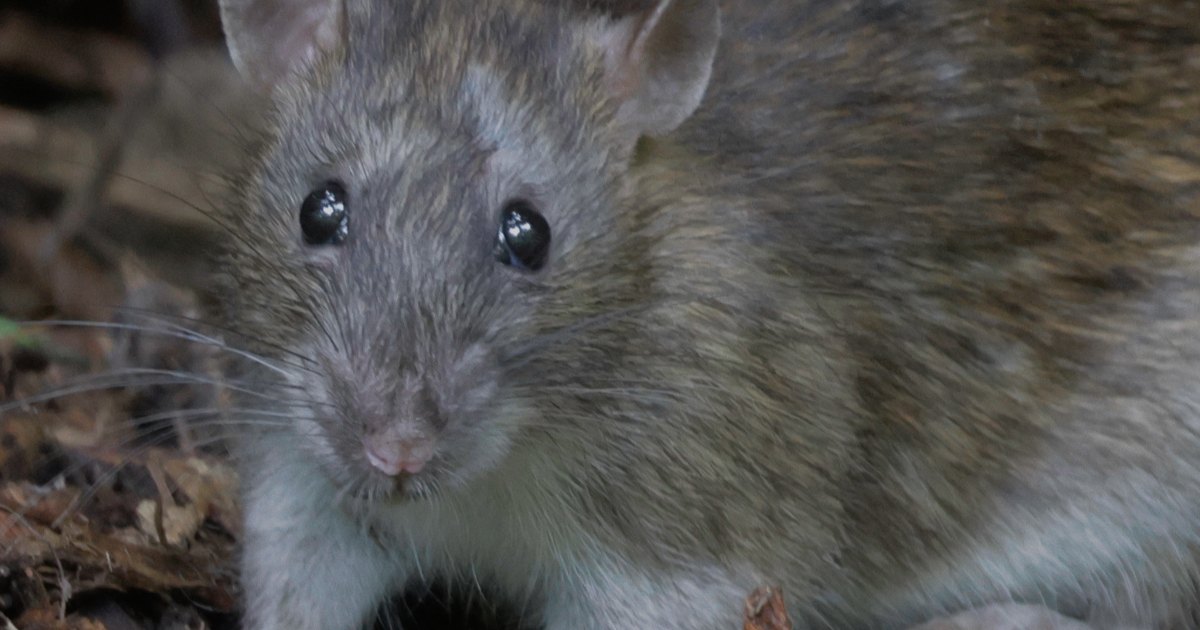
Rat-size snap traps, pre-baited and used in numbers, are what CDC and university guides support. Where to set them for Norway and roof rats, and why traps fail.

Choosing traps, bait and sealing materials, and placing them where they actually work rather than where they fit.
Rat-size snap traps, pre-baited and used in numbers, are what CDC and university guides support. Where to set them for Norway and roof rats, and why traps fail.
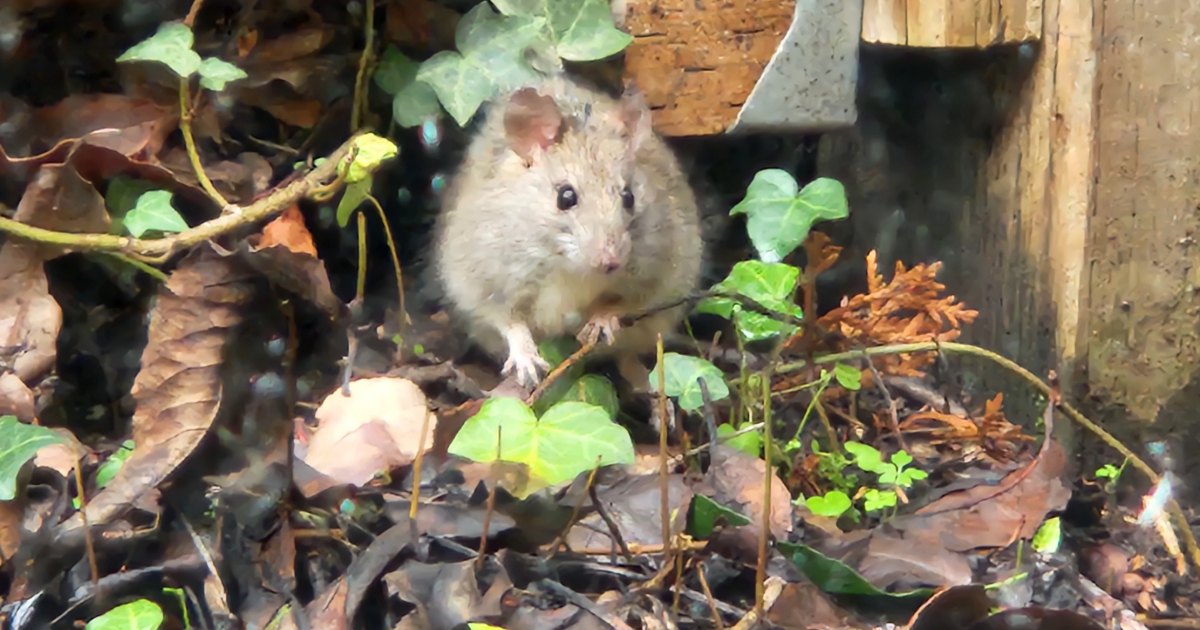
Find out whether you have Norway rats or roof rats, seal the way in, pre-bait rat-size snap traps, deal with burrows and clean up safely, following CDC, EPA and university guidance.
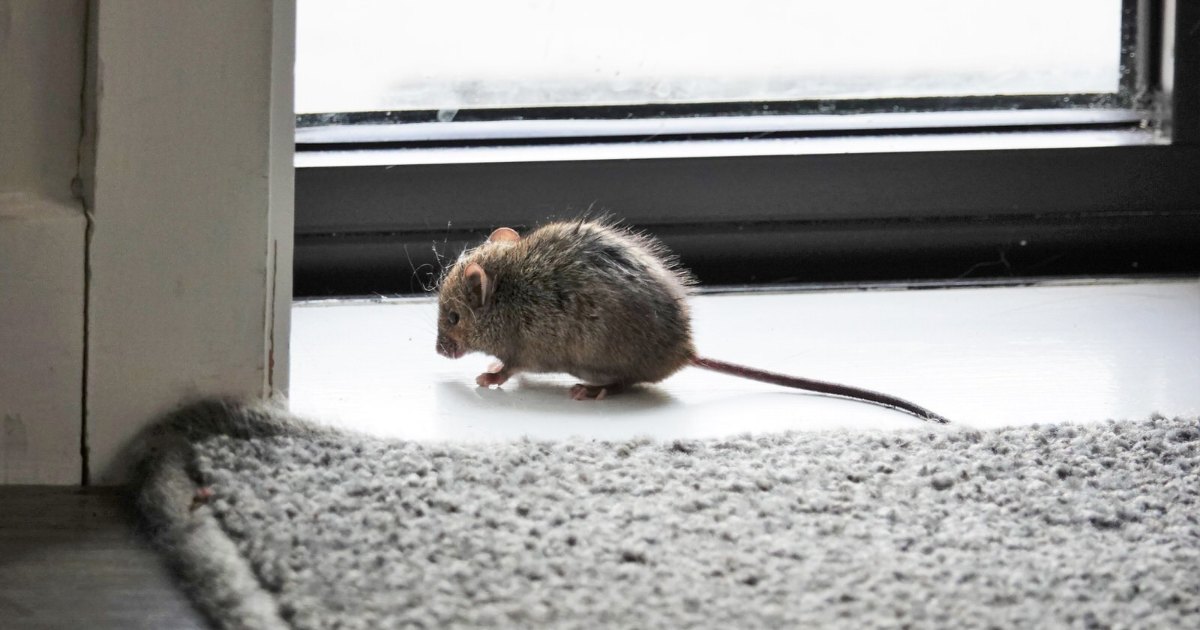
A step-by-step plan from CDC, EPA and university guides: confirm it is mice, seal the way in, set snap traps against the wall, remove food, clean up safely and know when they are gone.
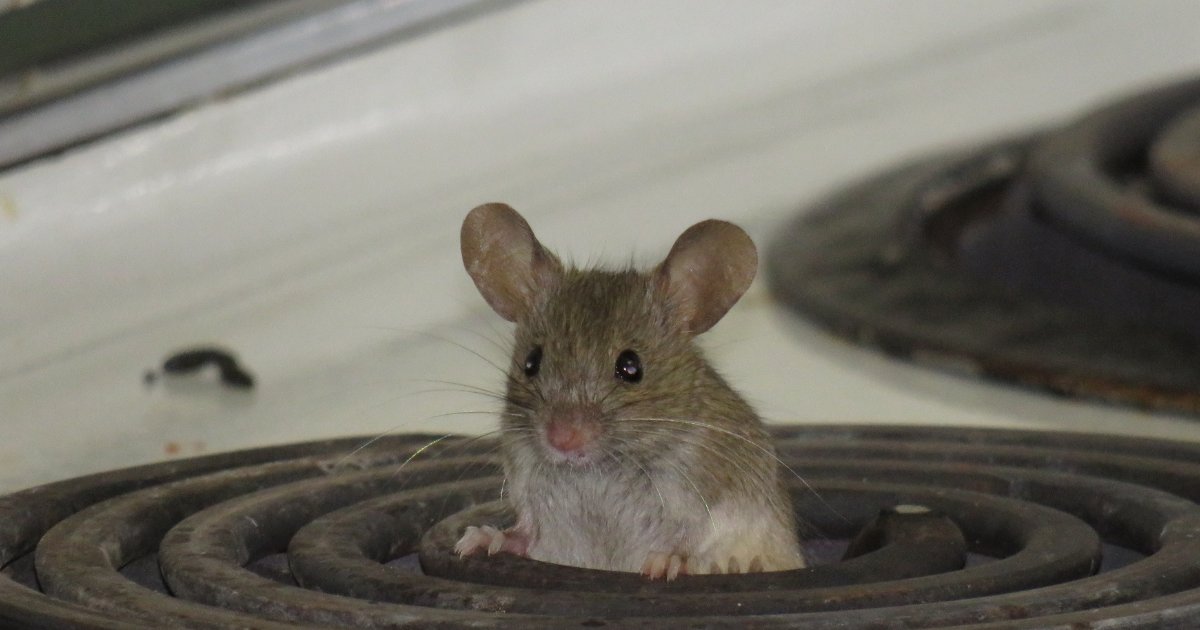
What CDC, UC IPM and ICWDM recommend as bait for mouse and rat traps, how much to use, how to fix it to the trigger, why rats need pre-baiting, what the research says about cheese, and what to do when the bait vanishes.
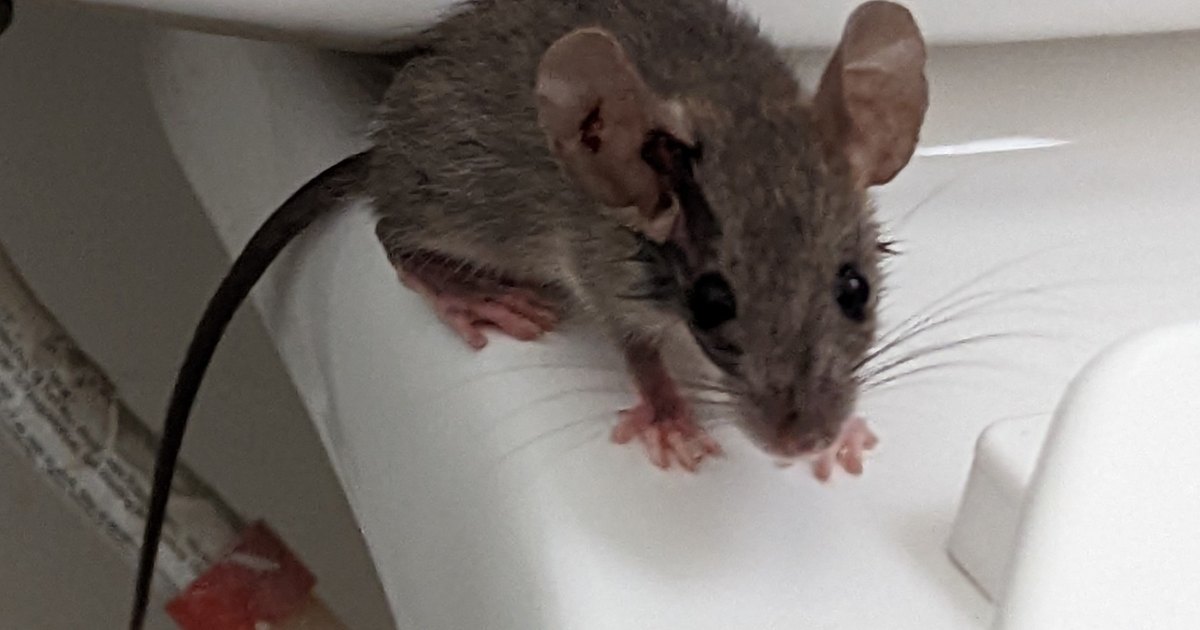
What university pest experts, EPA and the FTC say about ultrasonic and electronic repellers for mice and rats, the one study that found a benefit, our own outbuilding experience, safety for people and pets, and what to do instead.

What laboratory studies show about peppermint oil and mice and rats, why the effect fades, what “EPA-exempt” really means, safety around children and pets, and what CDC says to do instead.
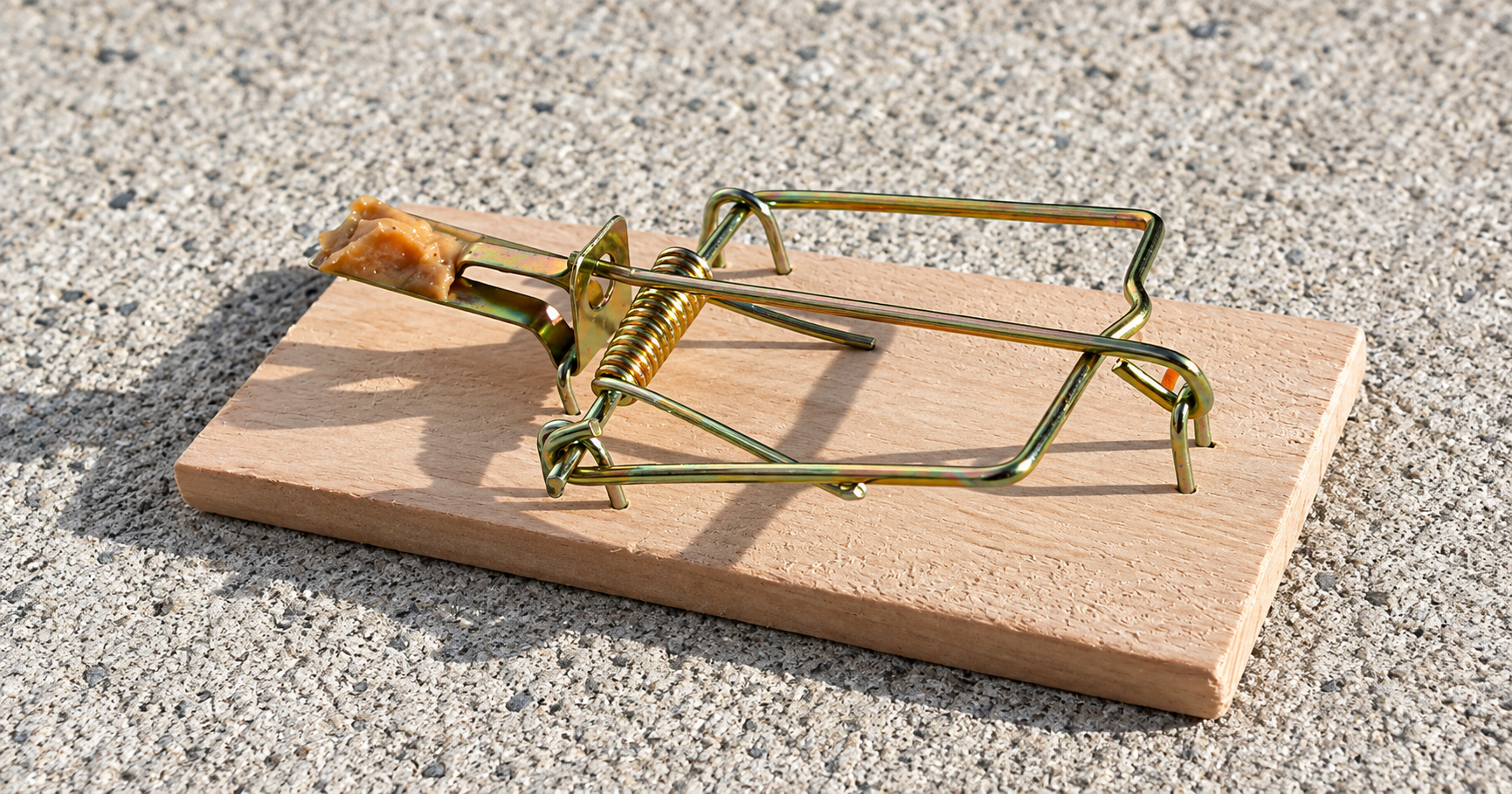
The best-supported mouse trap for most homes is a mouse-size snap trap with a wide trigger. Where to put it, how many to use, why traps fail, and what to avoid.
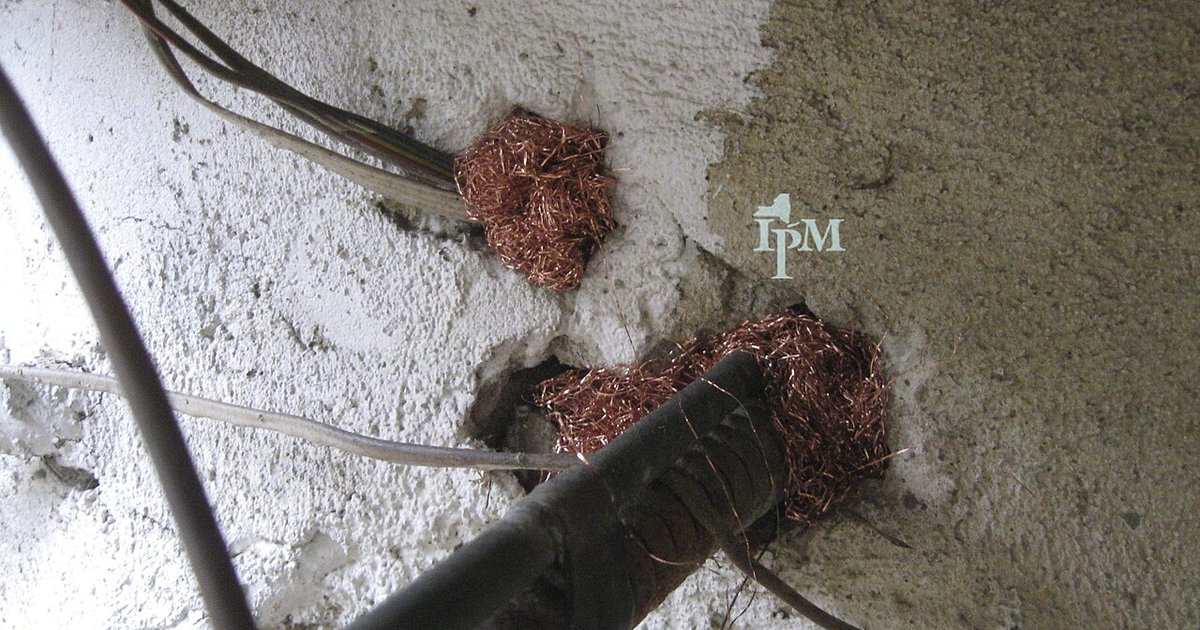
How to find where mice are getting in, which materials resist gnawing, why foam alone is not enough, and the two openings you should never simply close.