
Traps and materials
Best Bait for Mouse Traps: What Works, How Much to Use, and Why Mice Steal It
There is no single magic bait. CDC suggests a small amount of chunky peanut butter or mutton fat; UC IPM says the best bait is often the food the mice are already eating, and that cotton wool or dental floss can work because females collect nesting material. What matters as much as the bait is the amount: too much, and a mouse can take it without setting off the trap.
Short answer: for mice, use a small dab of peanut butter, or whatever food they are already getting into; try a little cotton wool or dental floss as well. For rats, see the rat list and let them take the bait before you set the trap. Use less than you think, fix it to the trigger, and keep it fresh.
This page is about the bait only. For which trap to buy, where to put it and how many to set, see best mouse traps.
What the official sources recommend
Each source has its own short list, and they do not rank the baits against each other. Here is what each one actually names for snap traps:
| Source | For mice | For rats |
|---|---|---|
| CDC | A small amount of chunky peanut butter or mutton fat (one list for all household rodents) | Same list; pre-bait first |
| UC IPM | The food mice are already eating; peanut butter; cotton wool or dental floss for nest-building females | Nuts, dried fruit, bacon, a piece of dry pet food; soft baits such as peanut butter |
| ICWDM | Peanut butter, marshmallows, hot dog, bacon or nutmeat tied to the trigger | Norway rats: hot dog, bacon, pepperoni or nutmeat tied to the trigger; peanut butter, marshmallows. Roof rats: raisins, prunes, peanut butter, nutmeats, gumdrops |
Peanut butter is the one bait all three name. None of them mentions cheese.
Start with what they are already eating
UC IPM puts it simply: traps can be baited with many foods, but the best bait is often the food house mice are already eating. Look at what has been chewed or raided: a bag of birdseed, pet food, cereal, grain. A small piece of that on the trigger is food the mice already know.
Once you know what they have been eating, store the rest of it out of reach. For what to throw out from a cabinet mice have reached, see mouse droppings in kitchen cabinets.
Peanut butter, and the allergy question
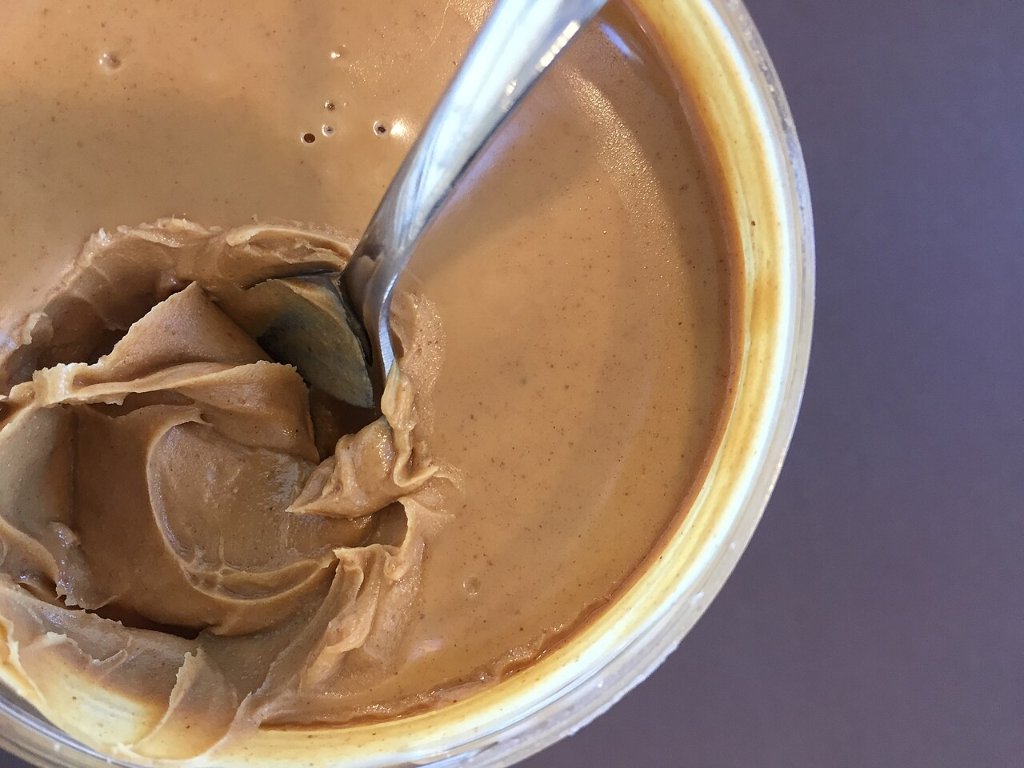
CDC says chunky peanut butter or mutton fat works best. UC IPM calls peanut butter a popular choice because it is easy to use and very attractive to house mice, and it is the only bait that CDC, UC IPM and ICWDM all list.
UC IPM also flags the downside: peanut butter can pose allergy risks to people in some situations. None of the sources names a specific allergy-safe substitute. If someone in the house has a peanut allergy, the other baits on the list above are the obvious place to look: the food the mice are already eating, nesting material, or the other foods ICWDM names. Choose with the allergy in mind, not just the mice.
Nesting material: cotton wool or dental floss
Not every mouse is looking for food. UC IPM notes that reproductive females are highly motivated to build nests, so a ball of cotton wool or a piece of dental floss can be an effective trap bait. Use a small amount on the trigger plate, the same as with food. If food baits are being ignored, it costs nothing to set a few traps this way alongside them.
What about cheese?
Cheese is the bait from cartoons, and none of the official sources we checked recommends it, or warns against it either. The one piece of research we found is a 2014 laboratory study by Moulton, Witmer and Snow at the USDA National Wildlife Research Center. Forty wild house mice were released into an unfamiliar enclosure with boxes holding different smells. Their first move was to look for shelter; among the food smells, they showed the most interest in bacon grease, peanut butter and cheese, in that order.
That study measured interest in a smell, not catches in household traps. It does not prove cheese works better or worse than anything else in your kitchen. The fair summary: there is no evidence that cheese is useless, but it is not what the official guidance reaches for.
Baits for rats
Rats are bigger and more cautious, and the lists are different:
- UC IPM, both rat species: nuts, dried fruit, bacon or a piece of dry pet food; soft baits such as peanut butter can be used too.
- Norway rats (ICWDM): hot dog, bacon, pepperoni or nutmeat tied securely to the trigger; peanut butter and marshmallows.
- Roof rats (ICWDM): raisins, prunes, peanut butter, nutmeats and gumdrops, which ICWDM says are often better than meat or cat food.
Roof rats travel up high, so their traps go on beams, pipes and ledges as well as the floor. Which rat traps to use and how many is in best rat traps. For which rat you are dealing with, see mouse vs rat and rats or mice in the attic.
How much bait to use
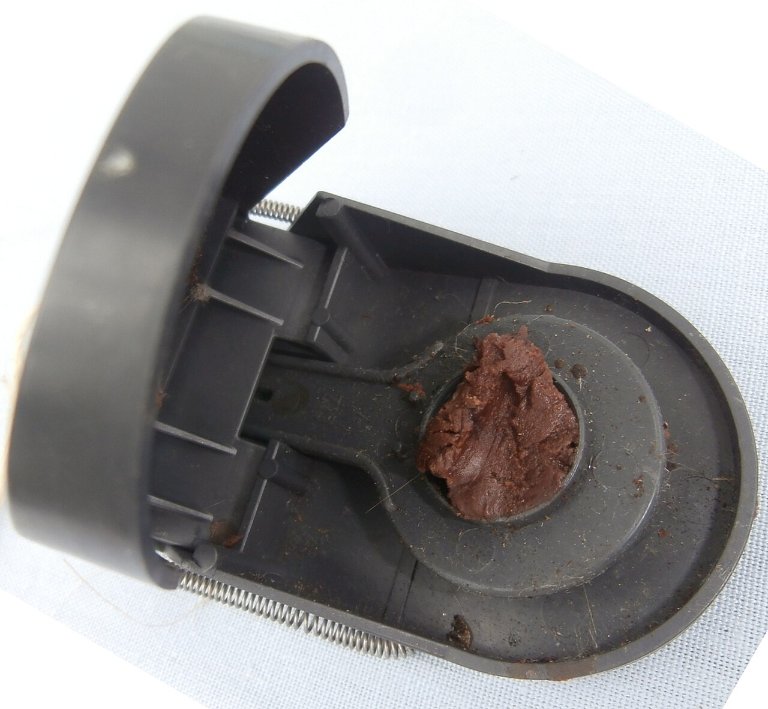
Less than you think. CDC says a small amount on the bait pan. UC IPM explains why: if you use too much, a house mouse may be able to remove it without triggering the trap. For rats, UC IPM is more specific and says to use just a pea-sized amount.
Fix the bait to the trigger
Bait a mouse or rat can lift off cleanly is bait that feeds it for free. Soft bait pressed onto the trigger or into the bait cup stays put. Dry or solid bait needs fixing:
- UC IPM says to fasten dry rat baits to the trigger with light string, thread or fine wire, and adds that even glue can be used.
- ICWDM’s food baits for mice and Norway rats are all to be tied securely to the trigger.
Keep it fresh, and keep going
ICWDM notes that stale baits lose their effectiveness. CDC’s routine is to check traps every day, and to check the bait every week, refilling it or moving the trap as needed, for at least 15 days. That 15 days is how long to keep the trapping going, not how long one dab of bait lasts: replace it whenever it has dried out, gone off or been taken.
When to stop: CDC’s rule of thumb is a week with no captures and no new signs. More in how to know if mice are gone.
Let rats take the bait before you set the trap
CDC says rats tend to fear anything new, and several days may pass before they approach traps; house mice and deer mice are less cautious and may be caught sooner. So for rats, CDC recommends pre-baiting: put bait in the traps without setting them, to help the rats get used to them, and set the traps once the bait is being eaten.
- UC IPM: leave rat traps baited but unset until the bait has been taken several times. It also warns that a rat that sets off a trap without being caught will be very hard to catch with a trap again, which is why this step is worth the wait.
- ICWDM: leave rat traps unset until the bait has been taken at least once, for several days. Its general trapping advice for house mice uses the same idea: baited but unset until the bait is taken at least once, to avoid making mice trap-shy.
None of the sources gives a fixed number of days. The signal is the bait being taken, not the calendar.
The bait is gone and there is no mouse
This is the most common complaint, and the sources point to a short list of causes:
- Too much bait. A big blob can be eaten from the edges without pressing the trigger (UC IPM). Use less.
- Bait not fixed. Dry food that can be lifted off will be. Tie it, wire it or glue it (UC IPM, ICWDM).
- A stiff trigger. UC IPM says triggers should be set lightly so traps spring easily, and that mouse traps with a wide trigger plate catch more.
- The wrong size of trap. UC IPM notes that mice, and small young rats, often will not set off a rat-size snap trap.
- The trap is in the wrong place. Traps go against the wall with the baited end touching it, where droppings and gnaw marks are. See best mouse traps for placement.
Does your scent on the trap matter?
The worry that rodents will smell your hands on a trap is common, but the evidence does not support it. ICWDM states that odors from humans or from dead rats are not known to reduce trapping success. Wear gloves for your own protection when you handle used traps and dead rodents, not to hide your scent. What to do with a catch is in what to do with a dead mouse.
Children and pets
Bait that attracts a mouse can attract a dog or a curious child too. CDC says to keep baits and traps out of reach of children and pets. UC IPM suggests setting traps inside boxes or stations, or behind a barrier, to keep other animals away from them.
Trap bait is not poison bait
Everything on this page is ordinary food or nesting material for mechanical traps. Rodenticide baits are a different product: they are pesticides, sold with their own labels, and EPA’s tamper-resistance tiers for household bait stations apply to stations packaged with poison, not to covers for snap traps. CDC keeps poison and bait stations for infestations that persist after trapping. For when that point has come, see when to call an exterminator.
What about electronic traps?
We did not find independent guidance from CDC, EPA or a university extension program on the best bait or amount for electronic traps. Follow the maker’s instructions for the model you have.
Questions people ask
What is the best bait for mouse traps?
There is no single winner. CDC suggests a small amount of chunky peanut butter or mutton fat; UC IPM says the best bait is often whatever the mice are already eating. Cotton wool or dental floss is worth trying alongside food.
Does cheese work in a mouse trap?
It can attract mice: in a 2014 laboratory study, wild house mice showed interest in the smell of cheese, along with bacon grease and peanut butter. But none of the official sources we checked recommends it.
How much peanut butter should I put on a mouse trap?
A small dab. UC IPM warns that with too much bait a mouse may take it without triggering the trap; for rats it says a pea-sized amount.
How often should I change the bait?
Whenever it is dry, stale or gone. ICWDM notes stale bait loses effectiveness; CDC says to check traps daily and the bait at least weekly for at least 15 days.
Why are mice not taking the bait?
If mice are active but ignore the traps, check placement first: traps against the wall where the droppings are. Then try what they are already eating, or nesting material. For rats, wariness of new objects is normal; pre-bait and wait until the bait is being taken.
The bottom line
Use a small amount of bait the mice want: peanut butter, the food they are already eating, or a little cotton wool or dental floss. Fix it to the trigger, keep it fresh, and set enough traps in the right places. For rats, use the rat lists and let them take the bait before you set the traps; the rest of the plan for rats is in how to get rid of rats. Keep traps away from children and pets, and if someone in the house has a peanut allergy, choose another bait.
Sources and verification
- CDC — How to Trap Up to Remove Rodents (April 2024)A small amount of chunky peanut butter or mutton fat; check traps daily and the bait weekly for at least 15 days; rats fear anything new and may take several days to approach; house mice and deer mice less cautious; pre-bait traps for rats; a week without captures or new signs; keep baits and traps out of reach of children and pets; poison only for persistent infestations.
- UC IPM — Pest Notes: House Mouse (July 2025)Best bait is often the food mice are already eating; peanut butter attractive but an allergy risk for some people; cotton wool or dental floss for nest-building females; small amount on the trigger plate, since too much can be removed without triggering; wide trigger plates, lightly set triggers.
- UC IPM — Pest Notes: Rats (June 2025)Nuts, dried fruit, bacon, dry pet food, peanut butter; a pea-sized amount; fasten dry bait with string, thread, fine wire or glue; sensitive triggers; leave traps baited but unset until the bait has been taken several times; trap-shy rats; mice and juvenile rats may not set off rat traps; boxes, stations or barriers for safety.
- ICWDM — House Mouse Damage Prevention and Control MethodsPeanut butter, marshmallows, hot dog, bacon or nutmeat tied to the trigger; stale baits lose effectiveness; traps baited but unset until the bait is taken at least once.
- ICWDM — Norway Rat Damage Prevention and Control MethodsHot dog, bacon, pepperoni or nutmeat tied to the trigger; peanut butter, marshmallows; traps unset until the bait is taken, for several days; human and dead-rat odors not known to reduce trapping success.
- ICWDM — Roof Rat Prevention and Control MethodsRaisins, prunes, peanut butter, nutmeats and gumdrops, often better than meat or cat food; traps on beams, pipes and ledges.
- Moulton R.S., Witmer G.W., Snow N.P. — Responses by wild house mice (Mus musculus) to various stimuli in a novel environment, Applied Animal Behaviour Science 159:99–106 (2014)Laboratory study of 40 wild house mice; shelter first; among food odors, most interest in bacon grease, peanut butter and cheese (abstract).
- EPA — Choosing a Bait Station Product for Household Use (September 2026)Tamper-resistance tiers for household bait stations packaged with rodenticide.