Roof Rat vs Norway Rat: How to Tell Them Apart and Why It Changes What You Do

Tail, ears, muzzle, droppings and where they live: how to tell a roof rat from a Norway rat, and what changes for sealing and trapping.

Start from something you can see, hear, smell or measure: droppings, sounds, gnaw marks, nesting material, odours. Each guide ends with a decision, not a description.
Tail, ears, muzzle, droppings and where they live: how to tell a roof rat from a Norway rat, and what changes for sealing and trapping.
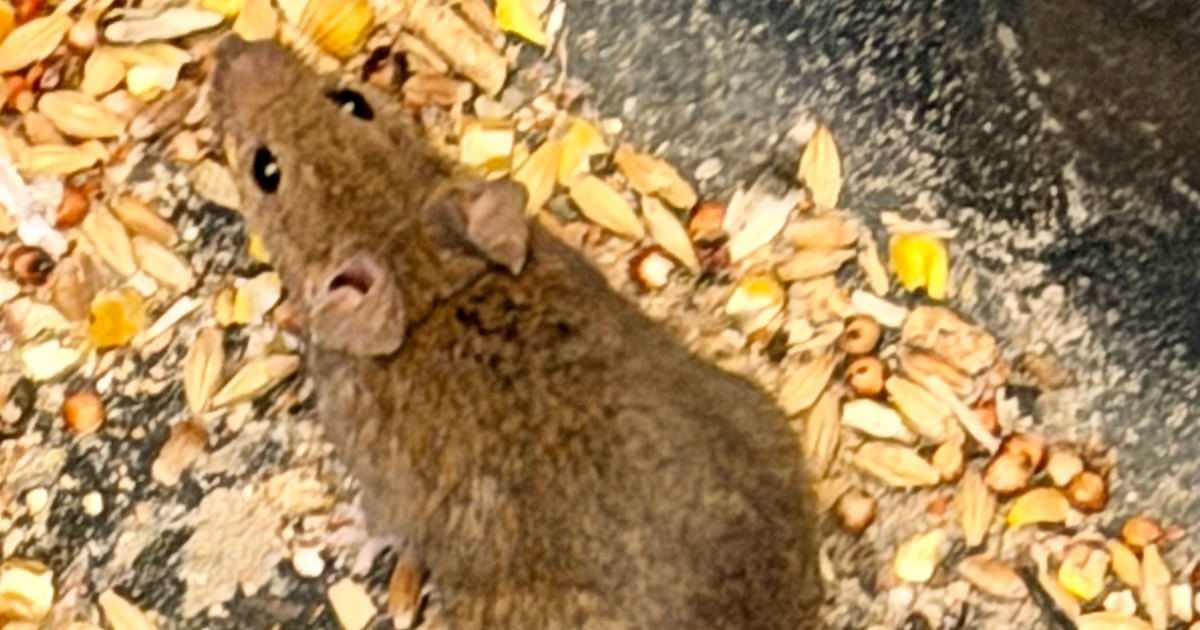
Mice come in for food, shelter and warmth, and need very little of each. What attracts them, what does not, and what to change in each room of the house.
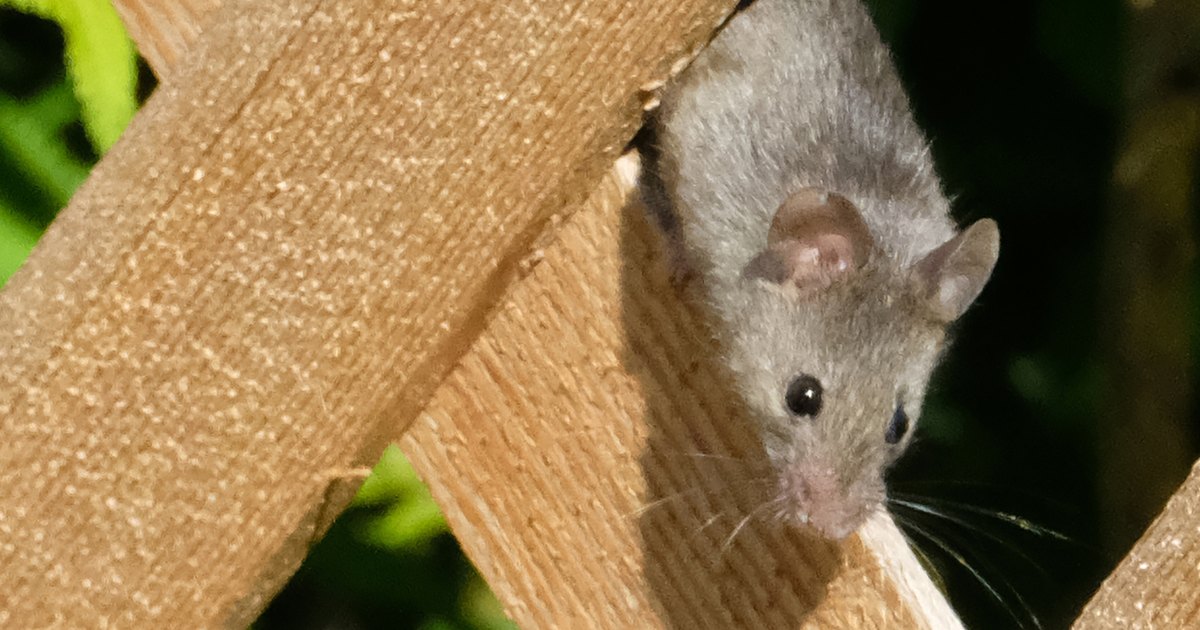
Mice fit through gaps the width of a pencil, climb rough walls and run along cables. Where they get in, why in autumn, and how to find the opening they use.
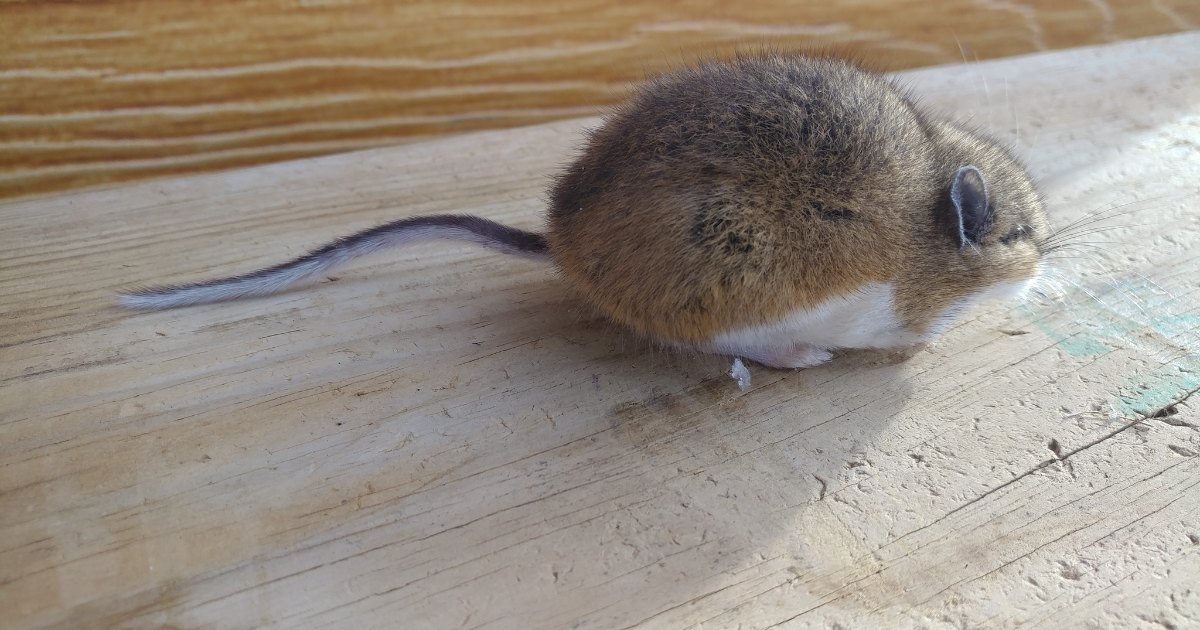
How to tell a deer mouse from a house mouse by the tail, belly, eyes and ears, why droppings and nests won’t settle it, how white-footed mice and voles fit in, and what changes for hantavirus and cleanup.
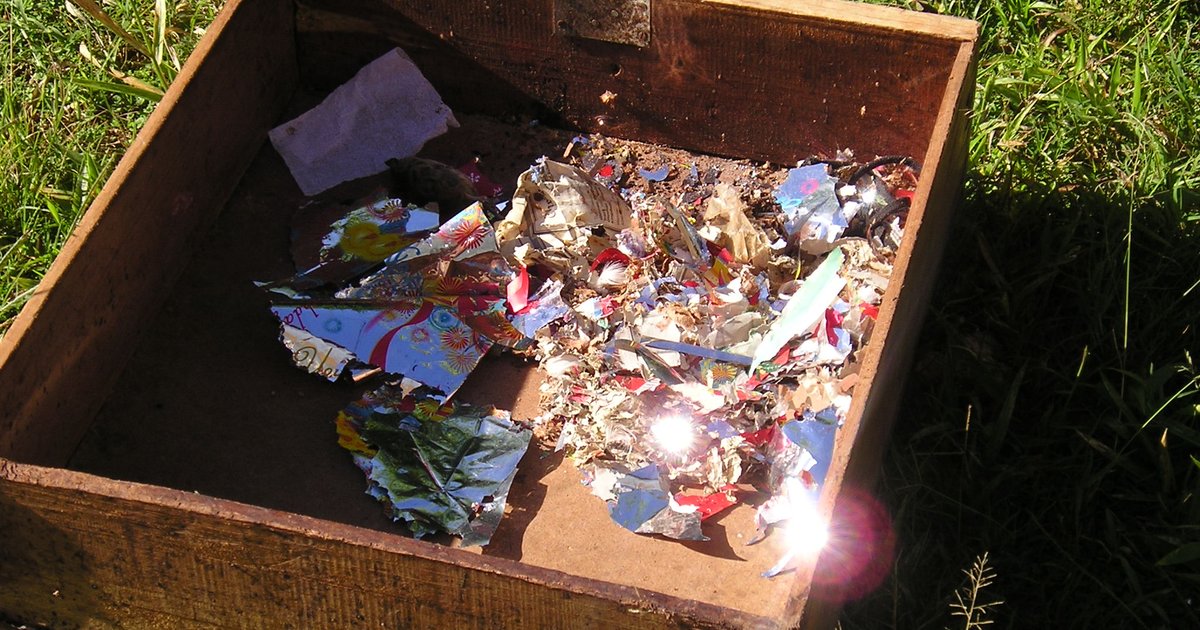
A mouse nest is a loose ball of shredded soft material in a sheltered, undisturbed spot. What it looks like, where mice build them, how to tell if one is still in use, and how to remove it safely using CDC’s steps.
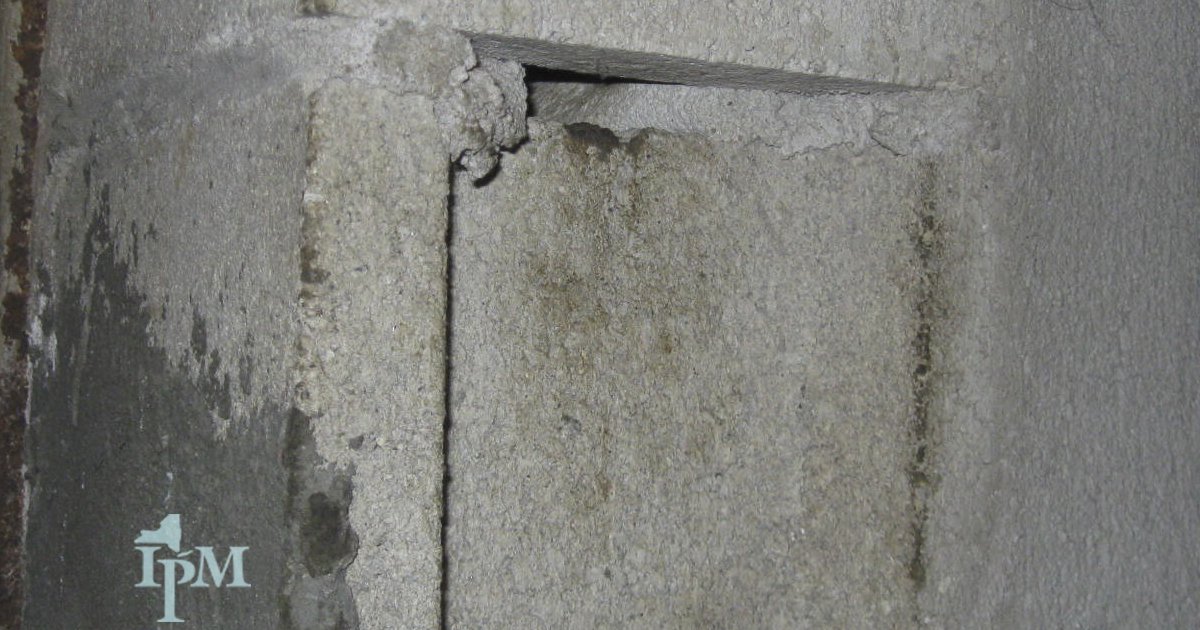
A musky urine smell can point to mice, but it is a clue, not proof. What the smell can and cannot tell you, where to look, how to use a black light properly, and how to get rid of the smell by cleaning the source safely.

How to read rodent gnaw marks on wood, plastic, food packaging and wiring: what tooth-mark size can and can’t tell you about mouse vs. rat, whether the damage is new, and when to call a pest professional or an electrician.
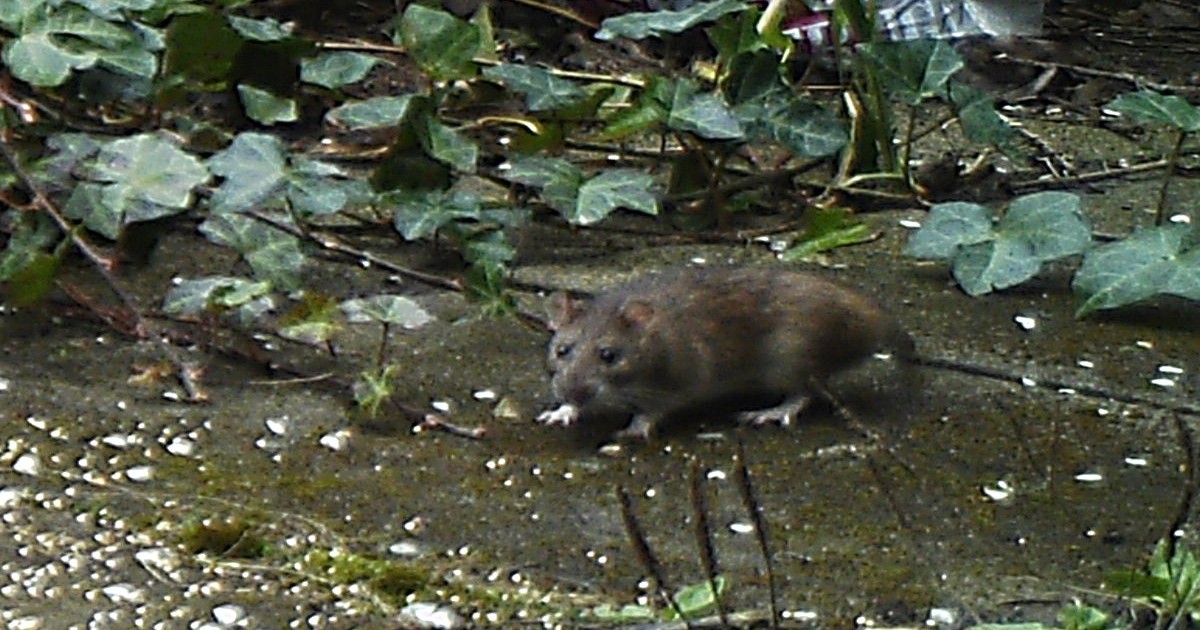
Size only settles mouse vs rat for adults. How to tell a young rat from an adult mouse by head, feet, ears and nose, how to separate Norway and roof rats, and which clues cannot prove anything.

A reason to act is not automatically a reason to hire. Only a few situations — rodents in the ductwork, a pregnant household member, multi-unit buildings, roof rats on utility wires — draw a firm line. Here is where the rest of the decision sits.
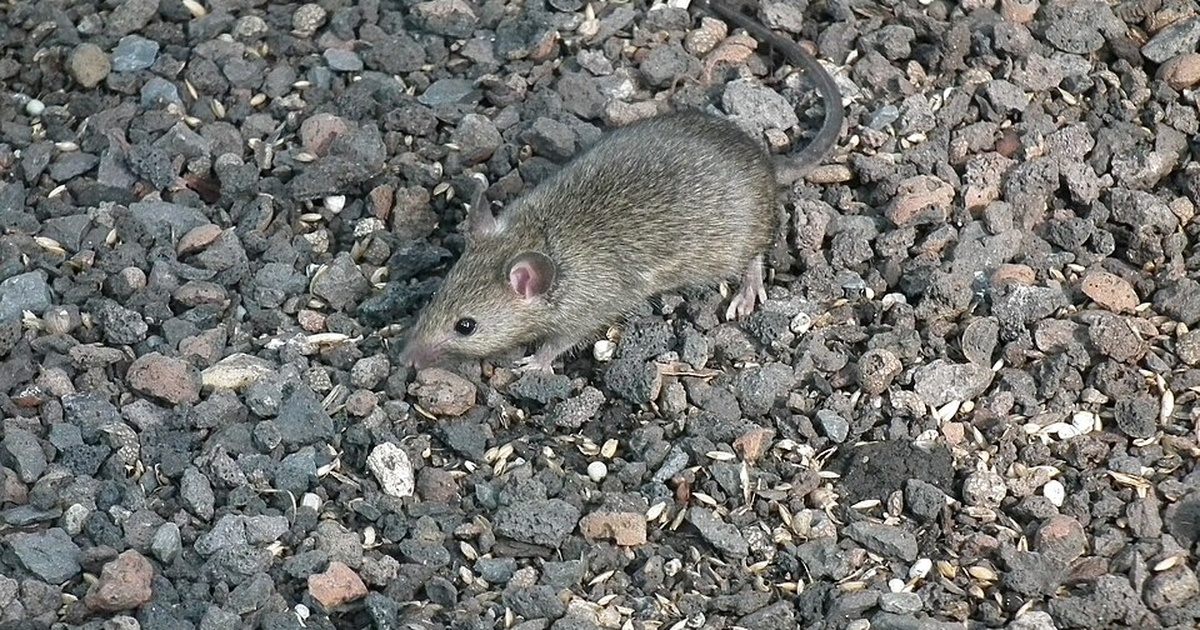
One sighting proves one mouse was there — nothing more. No authoritative source gives a mouse count that defines an infestation. What you can test is whether evidence keeps appearing after you clean, trap and monitor.