
Traps and materials
Does Peppermint Oil Repel Mice? What the Research Actually Shows
Not in any way you can rely on. In a laboratory study, mice avoided peppermint oil right after it was applied, but a week later the effect was gone. No study we found shows peppermint oil keeping mice out of a real home. If you have mice now, CDC’s advice is to seal gaps, remove food and set snap traps, and concentrated peppermint oil is not harmless around children and pets.
Short answer: peppermint oil may make mice avoid a treated spot for a short time. It does not close the holes they use, remove the food they came for, or get rid of mice already living in the walls. Use sealing and trapping instead, and keep concentrated essential oils away from children and pets.
What the research shows
Mice: an effect on day one, nothing measurable after a week
The most useful study is a 2022 laboratory experiment on house mice (Mus musculus) by Chulikhit and colleagues. Researchers sprayed pieces of fabric with 2 mL of an oil or of water and tested how mice behaved around them in two standard maze tests, once straight after spraying and again one week later.
Right after spraying, every oil tested, peppermint included, changed how the mice behaved compared with water. A week later, the authors report: “peppermint oil and menthol showed no significant repellent effects after seven days.” Some of the other oils in the study still had an effect at one week; peppermint did not.
Two details matter when you apply this to a house. The mice were tested in a maze, not in a building, and they were fasted for 18 hours beforehand “to induce stress and hunger.” The authors also note the oils were commercial grade, used “without any quality control analysis.” The study measured behavior in a test arena, not whether a household infestation went away.
Rats: avoidance in a test arena
A 2010 study in the Thai Journal of Veterinary Medicine tested peppermint oil, wintergreen oil, chilli, bergamot oil and geranium oil on rats in a circular open-field arena over 30 minutes. Rats visited the treated area less often and spent less time near it than near the untreated control. The authors concluded that the extracts can repel rats in that setting and called for more work to see whether that holds up in real conditions. We read the published abstract; it does not give the rat species, the number of animals or the concentration used.
What extension experts say about scent repellents
UC IPM, the University of California’s pest management program, puts it plainly for rats: “Rats have an initial aversion to some odors and tastes, but no repellents have been found to solve a rat problem for more than a very short time.” It adds that there are no truly effective rat repellents registered for use in California. UC IPM’s house mouse guide does not discuss peppermint oil at all.
No residential field trial showing that peppermint oil reliably keeps house mice out of a home was identified in the sources we reviewed. That does not prove one could never succeed; it means the evidence for it is not there.
Why a smell cannot solve a mouse problem
Mice come indoors for shelter and food. CDC notes that a mouse can fit through a hole the width of a pencil, 1/4 inch across. A cotton ball with peppermint oil on it does not close that hole, does not put the cereal in a sealed container, and does nothing about mice already nesting inside a wall. At best, the research above suggests mice may avoid the treated spot for a while.
That is also why there is no reliable “how many drops” recipe. We found no tested household dose, number of drops or reapplication schedule that controls mice, so we do not give one.
If you are not sure how big the problem is, start with one mouse or an infestation?
Does “EPA-exempt” mean EPA-approved?
No. Peppermint oil is on the federal list of active ingredients allowed in so-called minimum risk pesticides (40 CFR 152.25(f)). A product made only from listed ingredients can be sold without EPA registration if it meets all six of EPA’s conditions for minimum risk pesticides. That is an exemption from review, not a seal of approval. EPA says so directly: “EPA does not review exempted products.”
What EPA does require of these products:
- Every ingredient on the label, with each active ingredient listed by name and percentage by weight.
- No disease claims. The product cannot claim to control rodents or insects carrying specific diseases.
- No false or misleading statements on the label, and EPA adds that “the producer’s website and other advertising materials cannot include any false or misleading statements.”
- No implied federal endorsement. EPA lists “Recommended by EPA as safe and exempt” and an “EPA registration number” on an exempt product as examples of misleading label statements.
States set their own rules. EPA notes that “the states are not required to permit the sale of an exempted product” (EPA, state regulation). If a product does not meet the conditions, EPA can issue warnings and stop-sale orders, and states can refer misleading claims to the Federal Trade Commission. We did not find an EPA or FTC action against a peppermint rodent repellent specifically.
Is peppermint oil safe around children and pets?
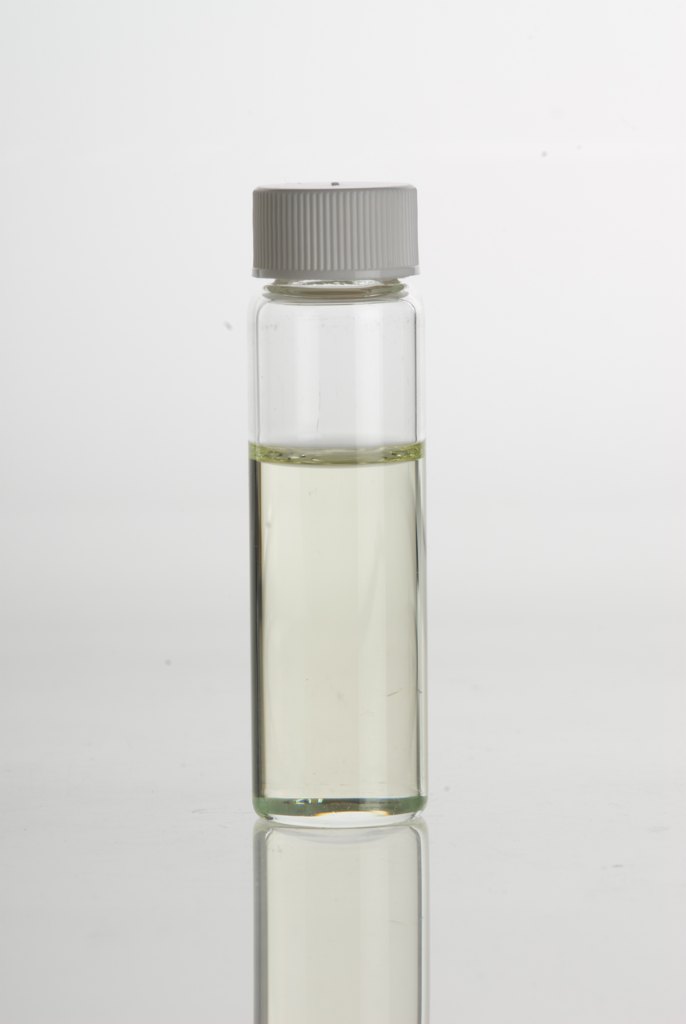
“Natural” does not mean harmless. Poison Control warns that “large doses can cause serious toxicity due to the menthol,” and that “the dose at which peppermint oil becomes toxic has not been determined.” On skin it can cause rashes and irritation, in the eyes it causes irritation and rarely corneal damage, and inhaling it can irritate the nose and throat and cause coughing and shortness of breath. Its advice: “Store peppermint oil up, away, and out of sight of children.”
For pets, the ASPCA says that “in their concentrated form (100%), essential oils can absolutely be a danger for pets,” that you should completely avoid applying them directly to an animal, and that a pet that swallows concentrated oil may show vomiting, diarrhea and depression. It also notes that cats are especially sensitive to essential oils, and advises against essential oil diffusers in homes with birds. The ASPCA lists the mint plant itself as toxic to dogs, cats and horses, with vomiting and diarrhea after large amounts are eaten; that listing is about the plant, not about bottled oil.
If a child swallows peppermint oil or gets it in the eyes, call Poison Control at 1-800-222-1222. For a pet, call your veterinarian or the ASPCA Animal Poison Control Center at (888) 426-4435 (a consultation fee may apply).
Other home remedies: mothballs, dryer sheets and more
- Mothballs. The National Pesticide Information Center says: “Mothballs are not meant to be used as animal repellents.” Use them only as the label directs, and not in ways that expose people or animals.
- Dryer sheets. We found no official evaluation of dryer sheets against mice. The ASPCA notes that a pet chewing a new dryer sheet can develop mouth ulcers.
- Ammonia and used cat litter. No direct official effectiveness evaluation was found in the sources we reviewed.
- Ultrasonic devices. UC IPM says high-frequency electronic devices are not effective against house mice. See do ultrasonic pest repellers work?
The mice-in-a-car guide covers repellents in vehicles in more detail.
What works instead
- Seal the gaps. CDC says to look inside and outside the home and seal any gaps and holes you find. For small holes, “Fill small holes with steel wool. Put caulk around the steel wool to keep it in place or use spray foam”; for larger ones, use lath screen or metal, cement, hardware cloth or metal sheeting. Step by step: how to seal mouse entry points.
- Remove food and water. CDC advises storing food in containers with tight lids, cleaning up spills promptly and not leaving pet food or water out overnight.
- Trap. CDC recommends traditional snap traps and says not to use glue traps or live traps, because frightened rodents urinate and that raises your exposure. Keep traps out of reach of children and pets. Which trap and where: best mouse traps.
- Clean up safely. Do not sweep or vacuum droppings; soak them with disinfectant first. See how to clean mouse droppings.
- Confirm they are gone before you stop: how to know if mice are gone.
For room-by-room help, see mice in the garage and rats or mice in the attic.
Bottom line
Peppermint oil can make mice and rats avoid a treated spot for a short time in a laboratory, but in the one mouse study that checked a week later, the effect was gone, and no study we found shows it keeping mice out of a home. Products based on it can be sold without EPA review, which is not the same as being proven to work. Keep concentrated oil away from children and pets, and put your effort into sealing gaps, removing food and setting snap traps.
Sources and verification
- Chulikhit Y. et al. — The Repellent Potential of Herbal Oils Alone and in Combination in Mouse Behavioral Models (Mus musculus), CMU Journal of Natural Sciences 21(3), July 2022, doi:10.12982/CMUJNS.2022.049Lab test on house mice: 2 mL on fabric, tested immediately and after one week; no significant repellent effect of peppermint oil or menthol after seven days; 18-hour fasting; commercial-grade oils without quality control.
- Kalandakanond-Thongsong S. et al. — The Efficacy of Pure Natural Repellents on Rat Responses Using Circular Open Field, Thai Journal of Veterinary Medicine 40(4):411–418, 2010, doi:10.56808/2985-1130.2259Rat avoidance of peppermint and other natural extracts in a 30-minute open-field test (abstract).
- UC IPM — Pest Notes: Rats (June 2025)Initial aversion to odors and tastes; no repellent solves a rat problem for more than a very short time; no truly effective rat repellents registered in California.
- UC IPM — Pest Notes: House Mouse (July 2025)High-frequency electronic devices not effective; no discussion of peppermint oil.
- eCFR — 40 CFR 152.25(f)Peppermint oil on the list of active ingredients for minimum risk pesticides.
- EPA — Conditions for Minimum Risk Pesticides (August 2026)The six conditions; label ingredients and percentages; no disease claims; no false or misleading statements on labels, websites or advertising; EPA does not review exempted products.
- EPA — State Regulation of Minimum Risk Pesticides (September 2026)States are not required to permit the sale of exempted products.
- EPA — Enforcement Related to Minimum Risk Pesticides (September 2026)Warnings, stop-sale orders and penalties; state referrals of misleading claims to the FTC.
- Poison Control — Peppermint oil: Is it toxic?Menthol toxicity at large doses; undetermined toxic dose; skin, eye and inhalation effects; storage away from children; 1-800-222-1222.
- ASPCA — The Essentials of Essential Oils Around Pets (June 2022)Concentrated oils a danger to pets; no direct application; signs after ingestion; diffusers and birds.
- ASPCA — Pet Poisons: Household Products and Cleaning Agents (June 2020)Cats especially sensitive to essential oils; dryer sheets and mouth ulcers.
- ASPCA — MintThe mint plant listed as toxic to dogs, cats and horses.
- National Pesticide Information Center — Can I use mothballs to repel insects or animals? (September 2025)Mothballs are not animal repellents; use only as the label directs.
- CDC — How to Seal Up to Prevent Rodents (April 2024)The 1/4-inch hole; sealing materials for small and large holes; food and water storage.
- CDC — How to Trap Up to Remove Rodents (April 2024)Snap traps recommended; no glue traps or live traps.