
Traps and materials
Best Rat Traps: Which Type Works, Where to Set It, and Why Rats Avoid It
RodentVerify has not lab-tested rat traps and does not rank brands. What CDC and university extension guides do agree on is enough to choose well: a rat-size snap trap, used in numbers, left unset until rats are taking the bait, and placed where the rats actually travel, which for roof rats is usually off the ground. Placement and patience matter more than the name on the box.
Short answer: use rat-size snap traps, ideally with an expanded trigger. Bait them without setting them until the bait is being taken, because rats avoid new objects. Use a dozen or more for a heavy infestation, about 10 to 20 feet apart, against walls for Norway rats and on beams, ledges and pipes for roof rats. Put traps inside boxes or behind barriers wherever children, pets or birds could reach them. Skip glue boards and live traps.
Before you buy: rat or mouse?
Check this first, because the traps are not interchangeable. CDC says to choose the right kind of snap trap, because there are different traps for mice and rats. UC IPM adds that mice and small young rats often will not set off a rat-size snap trap. If you are not sure what you have, start with do I have mice or rats? and mouse vs rat. For mice, see best mouse traps.
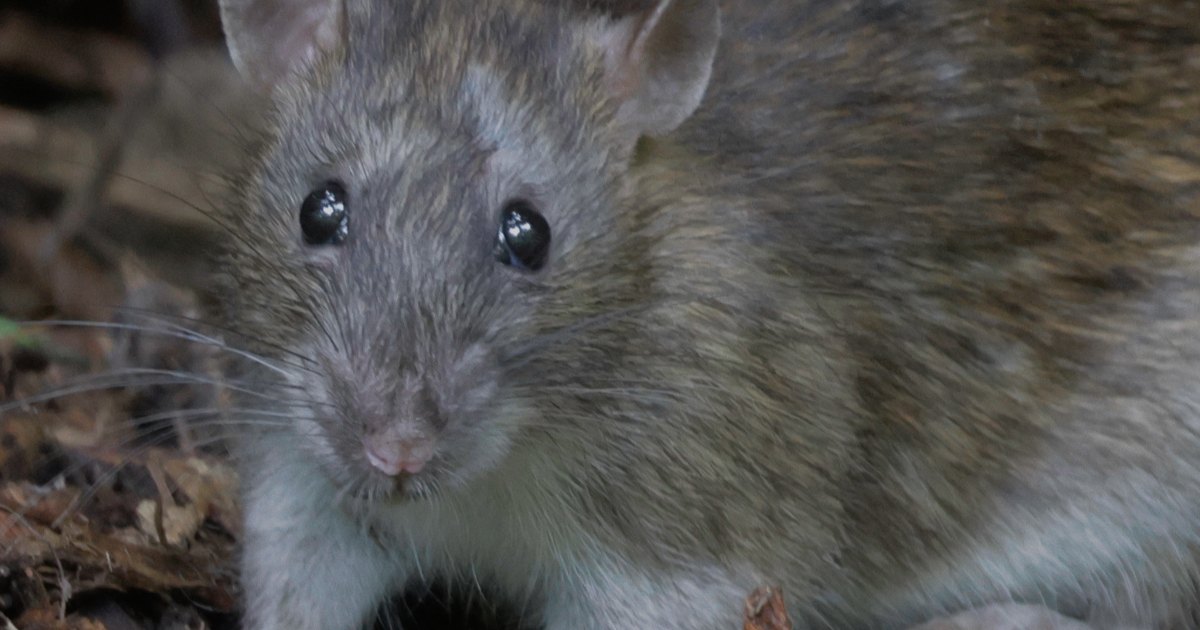
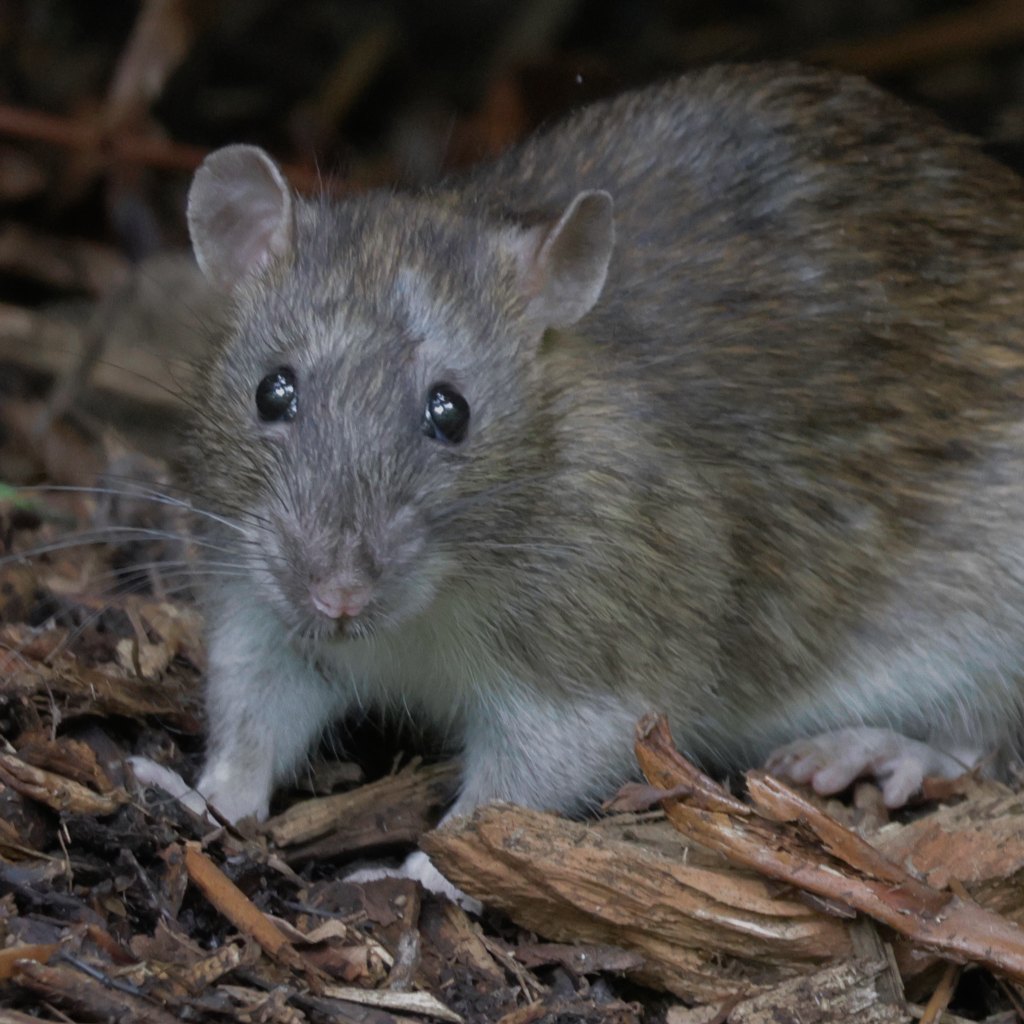
It also helps to know which rat. Norway rats live low, in burrows, basements and ground floors; roof rats climb and live in attics, trees and upper floors. Roof rat vs Norway rat shows how to tell them apart.
Rat trap types compared
UC IPM says trapping can be an effective way to control rats in and around homes, garages and other buildings, and that rat-size snap traps come in many styles: wooden or plastic, with larger or expanded triggers, or with bait reservoirs. It adds that finding the best places to set traps may be more important than the type of trap.
| Trap type | What the sources say | Verdict for a home |
|---|---|---|
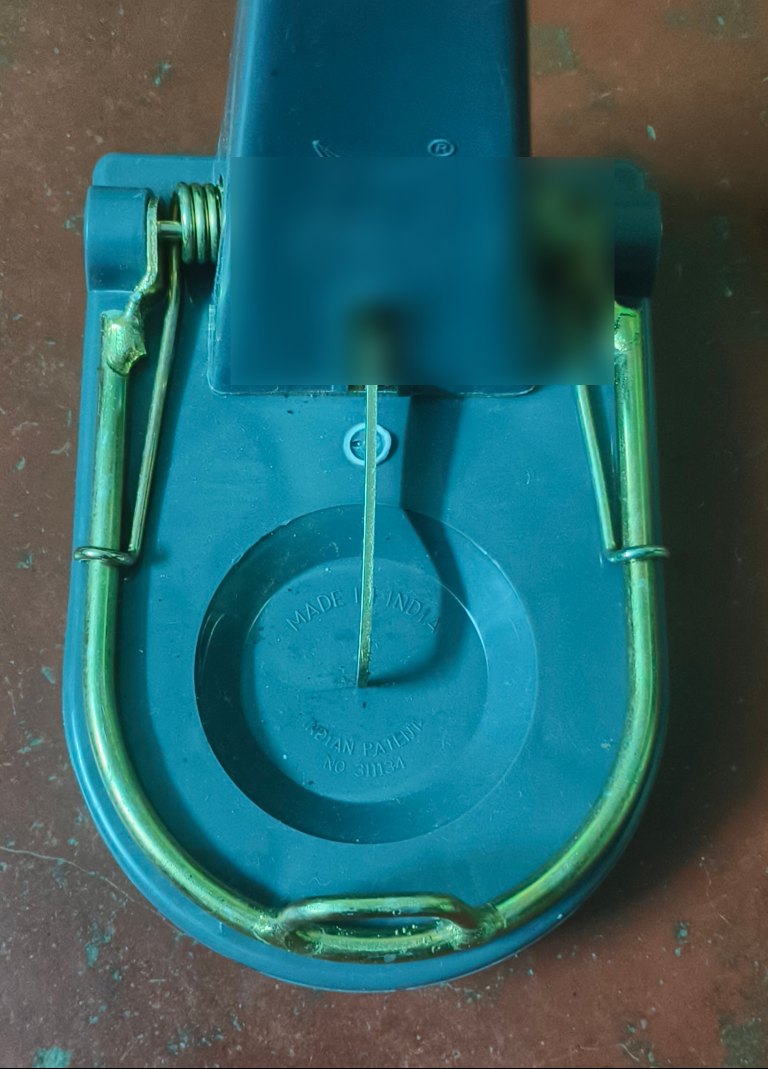
| Rat-size snap trap, expanded trigger | CDC recommends snap traps. ICWDM reports that expanded-trigger traps had fewer bait losses and almost twice the capture rate of narrow-trigger traps. ICWDM says expanded plastic treadle traps are particularly effective on well-used paths and need not be baited. | First choice |
| Rat-size snap trap, standard trigger (wooden or plastic) | UC IPM calls snap traps reusable and less expensive over time than poison baiting. ICWDM says the common wooden snap traps that work for Norway rats work for roof rats too. | Good choice |
| Electric (electrocution) trap | UC IPM: considerably more expensive; still needs enough traps, frequent checks and pre-baiting; read the safety guidelines before touching the inside. | Works, costs more |
| Snap trap inside a box, tunnel or station | UC IPM and ICWDM both advise boxes, stations or barriers where children, pets, birds or other animals could reach a trap. | Use outdoors and around pets |
| Glue board | CDC advises against glue traps. UC IPM says they are not generally for nonprofessional use and should never be used outdoors. ICWDM says rats often pull themselves free. | Avoid |
| Live cage trap | CDC advises against live traps. UC IPM says live trapping of rats is not recommended for nonprofessionals; ICWDM says captured rats should be humanely destroyed, not released elsewhere. | Avoid |
Why not glue or live traps? CDC’s reason is health: a frightened, trapped rodent may urinate, which raises your chance of getting sick. UC IPM adds the legal side for California, where it writes: a live-trapped rat must be humanely euthanized or released immediately where it was caught, and releasing rats simply moves the health problem to the neighbors.
Pre-bait first: why rats ignore new traps
This is the step that makes rat trapping work. UC IPM says rats quickly detect and tend to avoid new objects and new foods, so they often avoid traps for the first several days, and maybe weeks, after you put them out. It thinks this wariness is stronger in roof rats than in Norway rats. CDC says the same: rats tend to fear anything new, and several days may pass before they approach a trap.
The fix is to let them get used to the traps first:
- Bait the traps but do not set them. CDC says to set them once you notice the bait being eaten. ICWDM says to leave traps unset until the bait has been taken at least once, and in its general guidelines suggests leaving them unset for several days. UC IPM suggests waiting until the bait has been taken several times.
- Do not let a rat get away from a trap. UC IPM warns that a rat that sets off a trap without being caught will be very difficult to catch with a trap again. That is the point of pre-baiting.
- Add traps if all the bait goes. UC IPM’s method: if bait is taken from every trap, double the number of baited traps, and keep doing so until some traps still have bait left. Then bait and set them all.
Pre-baiting is needed with electric traps too, UC IPM says. CDC notes that house mice and deer mice are less cautious and may be trapped more quickly; rats take longer.
How many rat traps, and how far apart
More than most people buy. UC IPM says to use as many traps as is practical so that trapping is short and effective, that a heavily infested home might need a dozen or more, and that rat traps should be placed about 10 to 20 feet apart. ICWDM’s first guideline is the same: use plenty of traps.
No source gives a fixed number per house; it depends on how many runways you find and how much bait is being taken.
Where to put rat traps
UC IPM says the best places are secluded spots where rats travel and shelter, especially where you have found droppings, gnaw marks or damage between their shelter and their food. Rats run along walls and edges, so the trap goes where they will pass directly over the trigger.
Norway rats: low, along walls
- Close to walls, behind objects, in dark corners and where you have seen droppings, smudge marks or burrows (UC IPM).
- At a right angle to the wall, with the trigger end nearly touching it. If you set traps parallel to the wall, set them in pairs facing opposite ways so they catch rats from either direction (UC IPM). CDC describes the same “T” against the wall.
- Across obvious runways or where runs narrow, but not directly in front of a hole, which ICWDM says increases refusals.
Roof rats: off the ground, and fixed in place
- Both on the ground and above it: ledges, shelves, branches, fences, pipes and overhead beams (UC IPM). ICWDM says some traps should be on the floor but more should be above floor level, and that in homes the attic and garage rafters close to the infestation are the best trapping sites.
- Secure each trap to the surface. UC IPM says this focuses the force of the snap; ICWDM suggests nailing traps to beams or studs or wiring them to pipes.
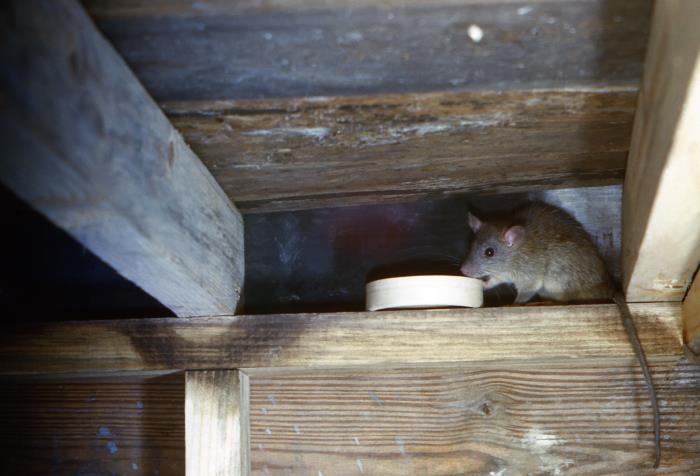
UC IPM adds that traps can be set and left in places such as attics where rats have been a problem before. In a house with rats in the walls, read mice or rats in the walls before sealing anything; for the attic, see rats or mice in the attic.
What to bait a rat trap with
UC IPM lists nuts, dried fruit, bacon or a piece of dry pet food, and says soft baits such as peanut butter can be used too. Use only a pea-sized amount, and tie dry bait to the trigger with light string, thread or fine wire so the rat has to work at it. ICWDM’s list for roof rats is raisins, prunes, peanut butter, nutmeats and gumdrops, which it says often work better than meat or cat food.
Not every trap needs bait. ICWDM notes that expanded-trigger traps set on a well-used path need not be baited, and suggests mixing baited and unbaited (“blind”) sets. More detail, for rats and mice, is in best bait for traps.
Traps outdoors, and around children and pets
CDC’s rule is simple: keep traps and bait out of reach of children and pets. UC IPM says that wherever children, pets, birds or other animals might come across a trap, set it inside a box or station or behind a barrier, and that trapping at night reduces the chance of catching birds. ICWDM suggests bait stations, slanted boards or hard-to-reach spots for the same reason.
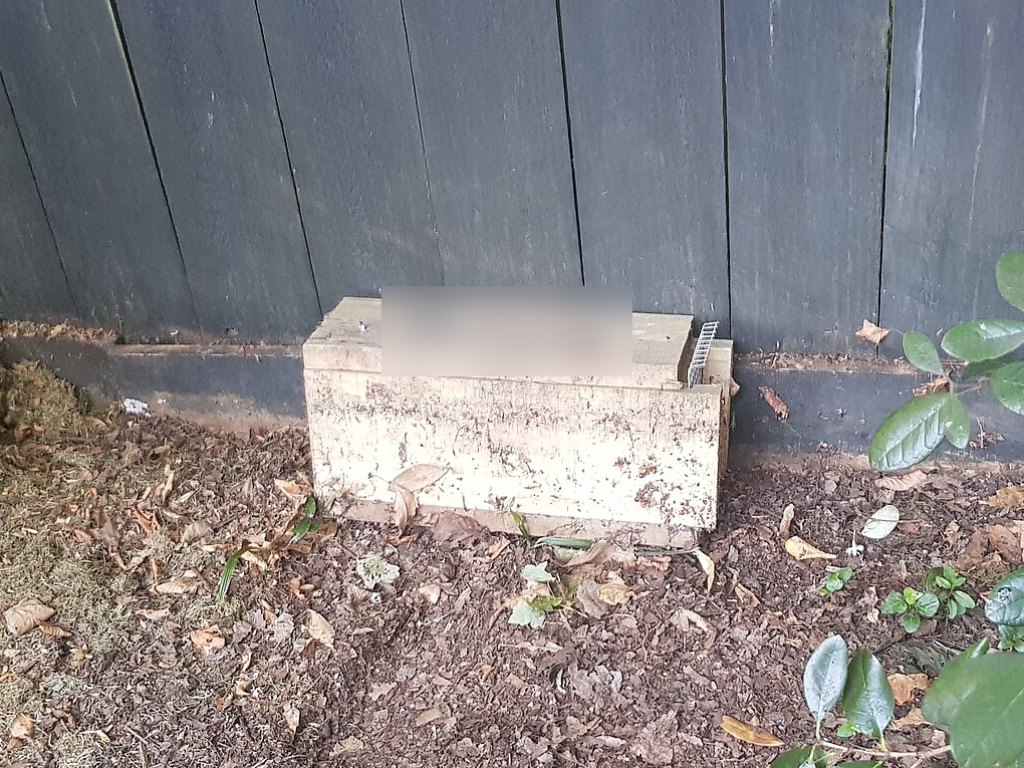
For roof rats in trees, ICWDM describes box-type kill traps baited with whole nuts, and warns that they can catch tree squirrels; that is a place to be careful about what you might catch.
Checking traps and handling dead rats
- Check daily. CDC says to check traps every day, remove dead rodents right away, check the bait weekly and keep traps out for at least 15 days, longer if signs continue.
- Never use bare hands. UC IPM says to use disposable gloves to handle dead rodents and wash thoroughly after handling traps. Seal the rat in a plastic bag for the trash, or bury it. ICWDM adds protective equipment generally.
- Your scent is not the problem. ICWDM says odors from people or dead rats are not known to reduce trapping success. Gloves are for your safety, not to hide your smell.
- Clean and reuse. ICWDM says plastic and metal traps can be cleaned with hot water and a stiff brush.
The full disposal and cleanup steps, including what CDC says about spraying the rat and trap before you pick them up, are in what to do with a dead mouse; the method is the same for rats. For droppings, see how to clean up droppings safely.
Why rat traps fail
- The traps were set on day one. Rats avoid new objects; a rat that springs a trap and escapes may never go near one again (UC IPM).
- Too few traps. UC IPM suggests a dozen or more for a heavily infested home, and doubling the number while all the bait keeps disappearing.
- Wrong level for roof rats. Traps only on the floor miss rats that travel along beams, pipes and fences.
- Loose traps. UC IPM says fastening a trap to the surface focuses the force of the snap.
- Too much bait, or bait that is easy to lift. UC IPM says to use a pea-sized amount and to tie dry bait to the trigger.
- The wrong size of trap. CDC says there are different snap traps for mice and rats; use rat-size traps for rats.
- Too much other food. Cornell notes that when rodents have plenty of other food, they are less likely to take a bait. See how to get rid of rats, step 5, for what to remove.
- The way in is still open. Trapping removes the rats inside; new ones keep arriving until the openings are sealed (CDC).
Traps or poison?
For homes, CDC recommends snap traps and keeps poison or bait stations for infestations that persist. ICWDM calls trapping the method to try first in homes, garages and other buildings where few rats are present, partly because it avoids rodenticides and lets you see your results. If you are weighing bait because of pets, read mouse poison around dogs and cats first. When to bring in a professional is covered in when to call an exterminator.
Questions people ask
What is the most effective rat trap?
The sources point to a rat-size snap trap with an expanded trigger, used in numbers and pre-baited. ICWDM found expanded-trigger traps caught almost twice as many rats as narrow-trigger ones. UC IPM stresses that placement may matter more than the trap type.
How long does it take to catch a rat?
Expect days, not hours. UC IPM says rats may avoid new traps for several days or even weeks, and CDC says to keep trapping for at least 15 days and until a week passes with no catches and no new signs.
Are electric rat traps better than snap traps?
Not according to anything we found. UC IPM says they work but are considerably more expensive, still need pre-baiting and frequent checks, and come with safety instructions to follow.
Can I use glue traps for rats?
CDC advises against them, UC IPM says they are not generally for nonprofessional use and never for outdoors, and ICWDM says rats often pull free. Use snap traps instead.
Can I catch a rat alive and let it go?
CDC and UC IPM both advise against live trapping for homeowners. Rules vary by state; in California, UC IPM says a trapped rat must be humanely euthanized or released immediately where it was caught.
The bottom line
The best rat trap for a home is a rat-size snap trap, preferably with an expanded trigger, and enough of them: a dozen or more for a heavy infestation, about 10 to 20 feet apart. Bait them without setting them until the rats are eating the bait, then set them all. Put them against walls for Norway rats, and on beams, ledges and pipes, fastened down, for roof rats. Use boxes or barriers wherever children, pets or birds could reach a trap, skip glue boards and live traps, check daily with gloves on, and seal the way in while you trap.
Sources and verification
- CDC — How to Trap Up to Remove Rodents (April 2024)Snap traps recommended; different traps for mice and rats; no glue or live traps and why; rats fear new objects and pre-baiting; several days before rats approach; T-placement against the wall; children and pets; daily checks, bait weekly, at least 15 days; poison or bait stations only for persistent infestations; check entry points first.
- UC IPM — Pest Notes: Rats (June 2025)Neophobia and its duration, stronger in roof rats; mice and young rats not triggering rat traps; snap trap styles; placement over type; baits and pea-sized amount; placement for Norway and roof rats; right-angle and paired sets; securing traps; boxes, stations and barriers; night trapping and birds; a dozen or more traps, 10 to 20 feet apart; trap shyness and the doubling method; leaving traps in attics; electrocution traps; glue boards; live traps and California law; gloves and disposal.
- ICWDM — Norway Rat Damage Prevention and Control MethodsTrapping first where few rats are present; leaving traps unset until bait is taken; expanded triggers and capture rate; guidelines for success; avoiding holes; baited and blind sets; bait stations and slanted boards; glueboards less effective for rats; cleaning traps; PPE; odors not known to reduce success.
- ICWDM — Roof Rat Prevention and Control MethodsWooden snap traps; expanded plastic treadle traps need not be baited; baits; traps above floor level, attic and garage rafters; nailing or wiring traps in place; box-type kill traps in trees and tree squirrels; live-trapped rats humanely destroyed, not released.
- Cornell CALS (NYS IPM) — Managing Mice and RatsPlenty of other food makes rodents less likely to take bait.