
Traps and materials
Can Rats Chew Through Concrete? What They Can Gnaw, What Stops Them, and How They Really Get In
A hole in a concrete foundation or a tunnel under the garage slab makes it look as if rats chewed straight through concrete. Sometimes they did, but only through certain kinds. Good, fully cured concrete is one of the materials pest specialists use to keep rats out. Here is what the wildlife-damage handbook says rats can and cannot gnaw, why a flat concrete surface defeats them while an edge or crack does not, how they get under slabs, and how to repair concrete so it stays rat-proof.
Short answer
- Sound, cured concrete: generally no. The handbook chapter on rodent-proof construction recommends concrete at least 2 inches thick if reinforced, or 3¾ inches if not, as a rodent-proofing material.
- Poor or fresh concrete: yes. The same chapter lists low-quality concrete and concrete block among the materials rats gnaw through, and says rodents can claw and gnaw at concrete and Portland cement until it is fully cured.
- Edges and cracks are the weak spot. A rat’s front teeth curve slightly inward, so a flat, hard surface is hard to gnaw; given an edge or rough surface, rats can quickly gnaw into most materials (handbook).
- Often they go under, not through. Rats can burrow straight down at least 36 inches and shelter under slabs and shallow foundations (handbook).
- Repair with mortar or concrete, backed with hardware cloth, not with foam or caulk alone, and close every opening larger than 1/2 inch for rats, 1/4 inch for mice.
What rats can and cannot chew through
| Material | Rats | Source |
|---|---|---|
| Plastic, rubber, vinyl, fiberglass, wood, window screen | Gnaw through | Handbook |
| Expanding foam, caulk | Gnaw through | UC IPM |
| Lead and aluminum sheeting | Gnaw through | Handbook |
| Low-quality concrete, concrete block | Gnaw through | Handbook |
| Concrete or Portland cement that has not fully cured | Claw and gnaw at it | Handbook |
| Concrete, 2 in reinforced or 3¾ in unreinforced | Recommended as rodent-proof | Handbook |
| Brick 3¾ in thick with mortared joints | Recommended as rodent-proof | Handbook |
| Galvanized sheet metal, 24 gauge or heavier | Recommended for wall and pipe barriers | Handbook; ICWDM |
| Hardware cloth, 19-gauge, 1/2-inch mesh (18-gauge in ICWDM) | Recommended to exclude rats | Handbook; ICWDM |
“Handbook” here is Baker, Bodman and Timm, Rodent-Proof Construction and Exclusion Methods, in the University of Nebraska–Lincoln’s Prevention and Control of Wildlife Damage (1994). ICWDM is the Internet Center for Wildlife Damage Management, which grew out of that handbook.
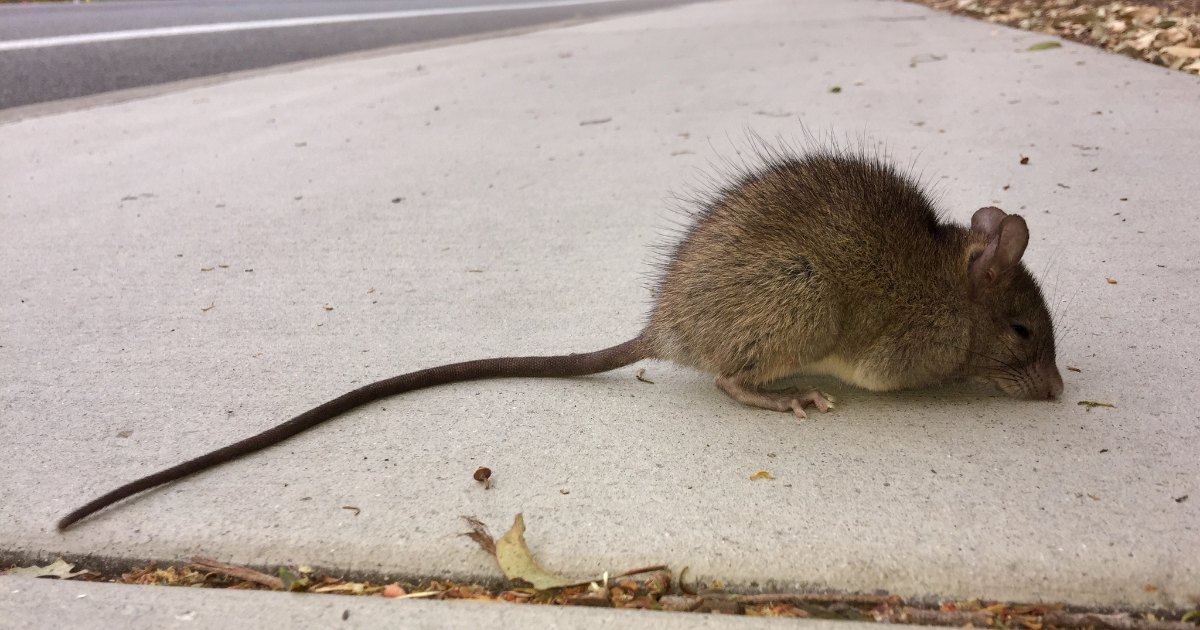
Why a flat slab stops them and a crack does not
The handbook explains it with the teeth. The paired front teeth of rats and mice curve slightly inward, which makes it difficult for them to gnaw into a flat, hard surface. When they have a rough surface or an edge to bite into, they can quickly gnaw into most materials. It adds that rodents often gnaw into walls at corners or where joints in the construction give them an edge.
So the places to look are not the middle of a sound slab but its edges and flaws: cracks, crumbling patches, the joint where wall framing meets the foundation or slab, gaps around pipes and drains, and cracked or missing mortar. The handbook lists cracks in concrete slabs, brick and concrete block walls, and worn or damaged drain covers as common ways into older buildings. A gnawed edge on concrete or block is worth photographing before you repair it; rodent gnaw marks shows how to tell rat work from mouse work.
Under, not through: burrows below slabs and foundations
Norway rats are diggers. The handbook says rats can burrow straight down into the ground for at least 36 inches, that they often shelter under concrete floors and slabs where they burrow for protection, and that they can get into buildings with piers or shallow foundation walls by burrowing beneath the floor or foundation.
That is what a hole at the edge of a patio, a garage slab or a shed floor usually is: a burrow entrance, not a hole chewed through the concrete. Burrows along foundations and beneath trash and woodpiles are among the rat signs UC IPM lists; how to recognize one is in rat nest.
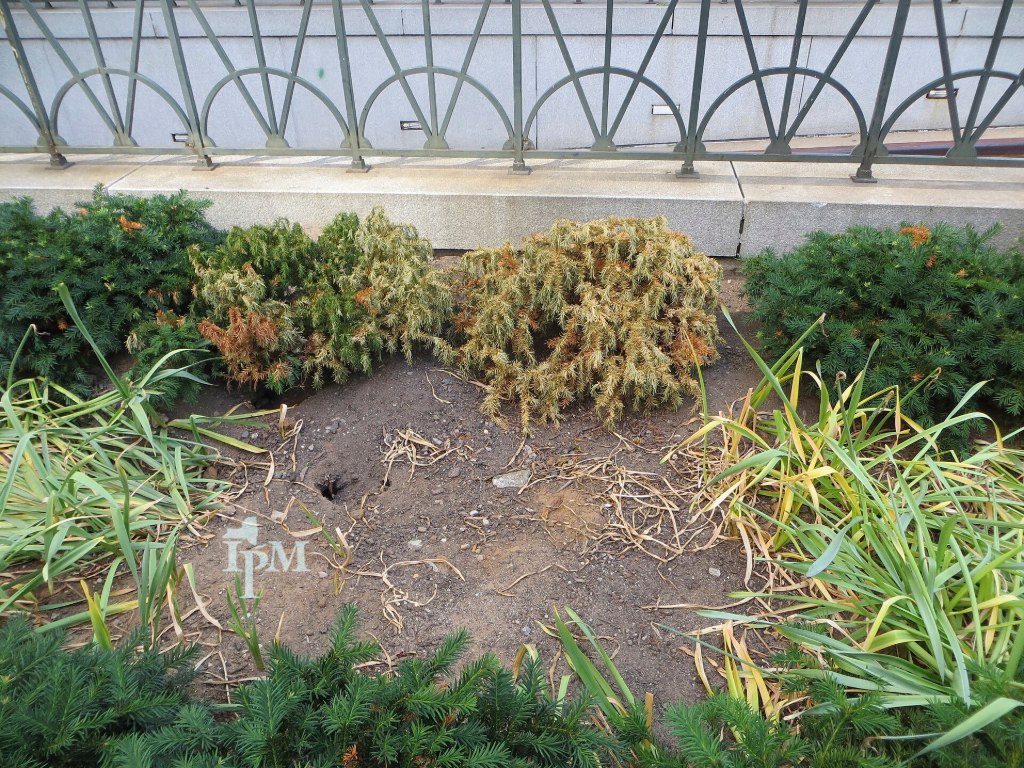
The handbook’s fixes for buildings are structural: foundation walls that go at least 36 inches below ground, a horizontal footing extension of about a foot to turn burrowing rats away, or a concrete curtain wall, which it says can be added to existing buildings. Hardware cloth topped with sheet metal can serve as a curtain wall around sheds and other wooden structures.
Repairing concrete so it stays rat-proof
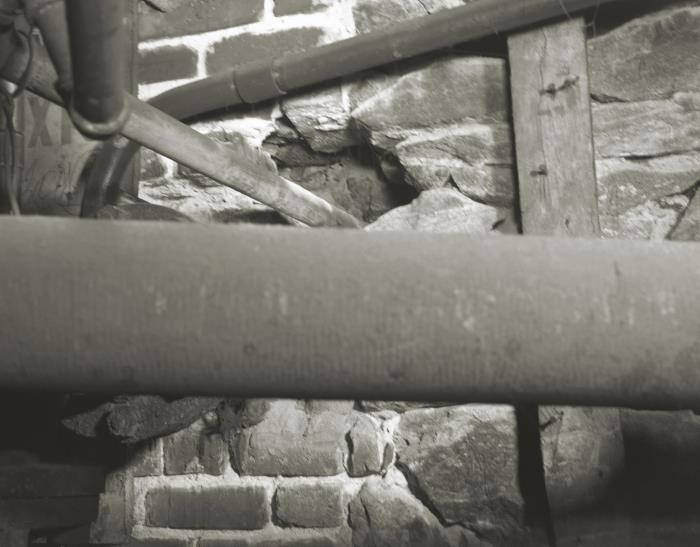
- Find the active openings first. ICWDM suggests plugging holes loosely with paper to see which ones get reopened before you seal them for good. Do not seal rats inside; trap the ones already in the building at the same time (how to get rid of rats).
- Patch with cement-based material. The handbook names Portland cement mortar, concrete patching compounds, plaster and masonry for longer-term repairs, and says rubber or vinyl weather stops are quickly gnawed through. UC IPM’s house mouse guide says to seal foundation cracks with metal or concrete, and its rat guide warns that rats chew through plastic, foam, wood and caulk.
- Back it with hardware cloth. On vertical or overhead surfaces, the handbook says a hardware cloth backing is usually needed to add strength.
- Protect the patch while it cures. Because rodents can claw and gnaw at concrete until it is fully cured, the handbook suggests laying 1/2-inch hardware cloth in the top 1/4 inch of the repair if rats are using that spot, or covering it with a temporary rodent-proof overlay until it hardens.
- Close the gaps around pipes and cables with mortar, a patching compound or metal collars (handbook). Seal every opening larger than 1/2 inch for rats (ICWDM; handbook) or 1/4 inch if mice are a concern too (UC IPM).
- Mind metal against concrete. The handbook cautions that metal placed within 1 inch of a concrete surface will corrode and may discolor the concrete, and that metal siding resting on concrete rusts faster.
The full sealing guide, with materials for each kind of opening, is in how to seal entry points.
What about mice?
The same tooth shape applies, and so do the same materials. The handbook says mice, like rats, can get in by gnawing through any opening larger than 1/4 inch, and lists 24-gauge hardware cloth with 1/4-inch mesh to exclude them. Concrete that stops rats stops mice; the difference is the size of the gaps you have to close.
Questions people ask
Can rats chew through cinder block or concrete block?
The handbook lists concrete block, along with low-quality concrete, among the materials rats can gnaw through. Cracks and the mortar joints between blocks are the usual weak points.
Can rats chew through mortar or cement?
Fresh mortar and Portland cement, yes, until they are fully cured (handbook). Cracked or missing mortar in older brick, block or stone also lets rodents in. Well-cured mortar is one of the materials the handbook recommends for repairs.
Can rats dig under a concrete slab?
Yes. The handbook says rats burrow at least 36 inches down and often shelter and burrow under concrete floors and slabs.
Can rats chew through brick?
The handbook recommends brick 3¾ inches thick with mortar-filled joints as a rodent-proofing material. The weak point is the mortar: cracked or missing mortar allows entry.
Can rats chew through metal?
Some metals. The handbook lists lead and aluminum sheeting among materials rats gnaw through, while galvanized sheet metal of 24 gauge or heavier and heavy woven hardware cloth are recommended for rodent-proofing. ICWDM gives 24-gauge galvanized sheet metal and 18-gauge hardware cloth for Norway rats.
Will expanding foam keep rats out?
Not on its own. UC IPM says rats chew through foam and caulk. Use metal, mortar or concrete, and use foam only behind them as a filler.
In short
Rats do not chew through good, fully cured concrete of normal thickness; it is one of the materials recommended to keep them out. They do gnaw through low-quality concrete, concrete block, fresh cement and anything with an edge or crack to bite, and they often go under slabs rather than through them. Find the active holes, trap the rats inside, and repair with mortar or concrete backed by hardware cloth, protecting the patch until it cures.
Sources and verification
- Baker, R. O., Bodman, G. R. and Timm, R. M. — Rodent-Proof Construction and Exclusion Methods (Prevention and Control of Wildlife Damage, University of Nebraska–Lincoln, 1994)Materials rats gnaw through, including lead and aluminum sheeting, wood, rubber, vinyl, plastic, low-quality concrete and concrete block; incisors curve inward, flat hard surfaces hard to gnaw, edges and rough surfaces gnawed quickly; corners and joints; openings over 1/2 inch for rats and 1/4 inch for mice; burrowing at least 36 inches; shelter under slabs; foundations 36 inches deep, footing extensions and curtain walls; Table 1 materials (concrete 2 in reinforced or 3¾ in unreinforced, brick 3¾ in with mortar, 24-gauge galvanized sheet metal, 19-gauge 1/2-inch hardware cloth for rats, 24-gauge 1/4-inch for mice); patching materials; concrete and Portland cement gnawed until fully cured; hardware cloth in the top 1/4 inch of repairs; corrosion of metal near concrete.
- ICWDM — Norway Rat Damage Prevention and Control MethodsPlugging holes with paper to find active ones; sealing openings larger than 1/2 inch; concrete mortar, 24-gauge galvanized sheet metal and 18-gauge hardware cloth.
- UC IPM — Pest Notes: Rats (June 2025) and Pest Notes: House Mouse (July 2025)Sealing foundation cracks with metal or concrete; rats chew through plastic, foam, wood and caulk; seal openings larger than 1/4 inch with steel wool, wire screen or sheet metal; burrows along foundations and under trash and woodpiles.