
How mice and rats live
Can Rats Swim? How Far They Go, and How They Come Up Through Toilets
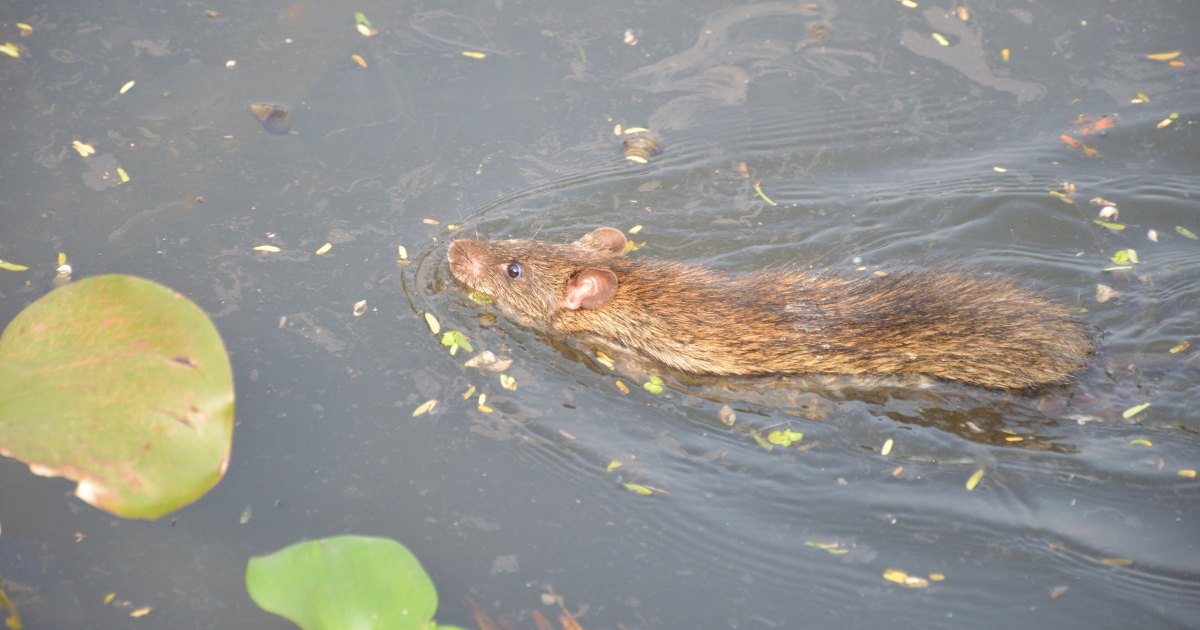
Yes. Rats swim well, and the Norway rat is the stronger swimmer of the two common house rats. University extension guides say a rat can swim half a mile in open water, dive through the water-filled bend in a drain pipe and move along sewer lines against the flow. That is how a rat can end up in a toilet. It is uncommon, but it happens. Here is what the sources say about rats in water, how they get from the sewer into a house, what to do if one appears in the bowl, and how to make it less likely.
Short answer
- Rats swim. UC IPM lists swimming through sewers, then coming up through toilets or broken drains, among the ways rats get into buildings. ICWDM includes swimming among the ways Norway rats get inside.
- Norway rats are the swimmers. UC IPM says Norway rats are the more powerful swimmers, while roof rats are the more agile climbers.
- Distance: University of Nebraska–Lincoln (UNL) Extension guides list half a mile in open water. A New Zealand government review of island invasions says Norway rats regularly swim up to about 1 kilometer and can cross up to about 2.
- Toilets: possible but uncommon (UNL). Rats reach the bowl from the sewer through the toilet’s drain line.
Norway rats vs roof rats in water
The two rats split the work: Norway rats go down and through, roof rats go up and over. That difference matters when you are guessing which rat you have.
| Norway rat | Roof rat | |
|---|---|---|
| Swimming | The more powerful swimmer (UC IPM); the best swimmer of the rats studied for island invasions (DOC review) | Swims, but is the better climber rather than the better swimmer (UC IPM) |
| Sewers | Lives in sewers in many towns and cities; one of its common names is sewer rat (ICWDM, UC IPM) | Sometimes burrows or moves into sewers when it has no high place to nest (UC IPM); ICWDM says sewer living is not common |
| Usual way in | Low: foundation, gaps around pipes, drains, sewer lines | High: roofline, vents, trees, utility lines |
So a rat in a toilet is most likely a Norway rat. To tell the two species apart by body and habits, see roof rat vs Norway rat; for the climbing side, see can rats climb walls.
How far and how long can a rat swim?
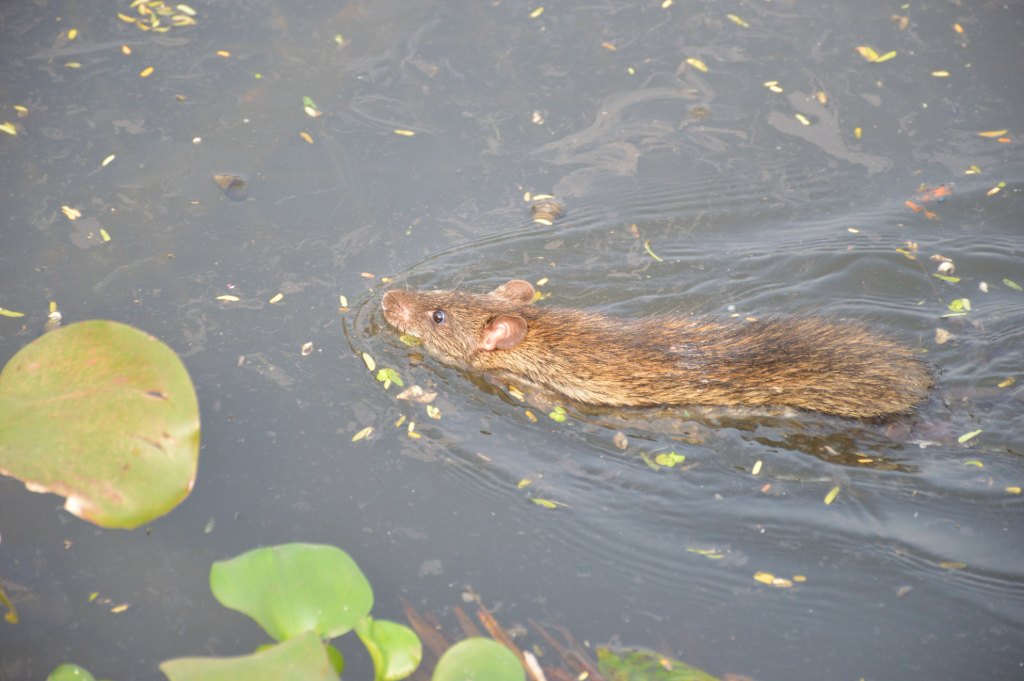
Two UNL Extension guides on rodent-proof construction list the same three abilities for rats: swimming half a mile in open water, diving through the water traps in plumbing, and traveling in sewer lines against a strong current. These figures come from building-protection guides, not from a single experiment, so treat them as what a rat can do, not what a typical rat does.
The most detailed summary we found is a 2008 review by the New Zealand Department of Conservation, written to keep rats off islands that are free of them. Its findings:
- Norway rats regularly swim up to about 1 km, and the review’s discussion says they can cross up to 2 km of open water.
- One radio-collared Norway rat was tracked swimming more than 400 meters from one island to another.
- Older estimates of about 300 to 600 meters now look too low.
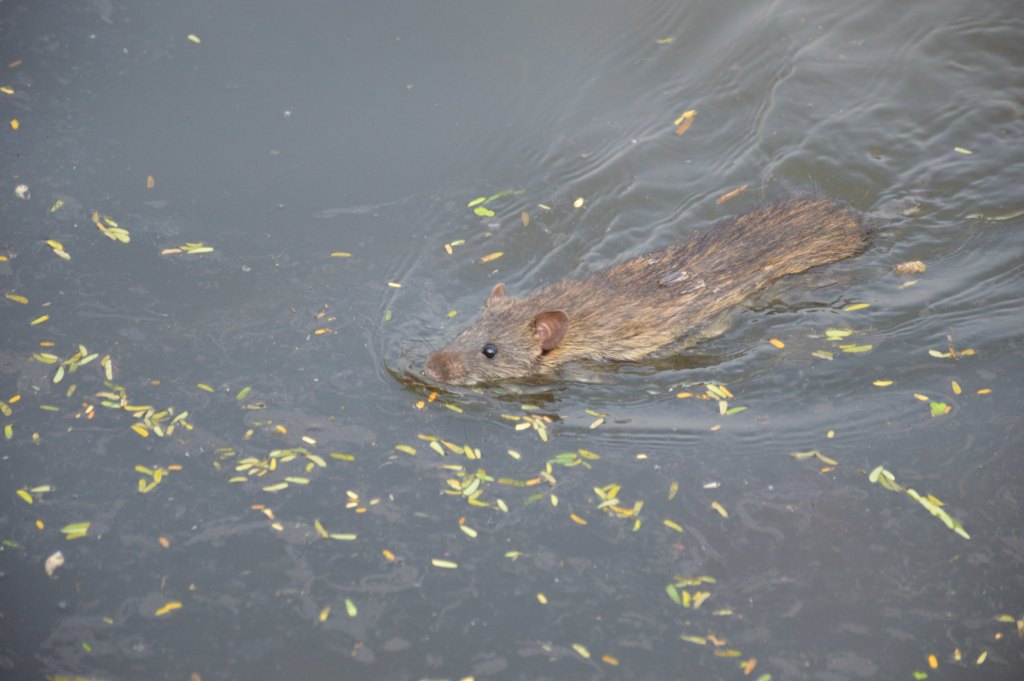
- Rats differ a great deal. In field tests most rats swam poorly, and the authors think strong swimming may be something only some rats learn.
Popular articles often say a rat can tread water for days or hold its breath for minutes. We did not find a university or government source for either figure, so we do not repeat them as fact.
Can a rat come up through the toilet?
Yes, though UNL Extension calls it uncommon. Public Health – Seattle & King County, which runs a sewer rat program and takes complaints about rats in toilets, explains the route:
- Food in the drains. Rats follow the smell of food and grease washed down sinks and garbage disposals into the sewer.
- The side sewer. Old side sewers and plumbing, the pipe from the house to the street, make a home more at risk.
- Heavy rain and flooding. High water can push rats into the side sewer lines.
- The toilet as the exit. Kitchen drain pipes are too small for a rat, so it tries the toilet instead.
The water sitting in the toilet’s trap is not a barrier to a rat: the UNL guides list diving through plumbing traps among rat abilities.
The Allegheny County Health Department in Pennsylvania lists the other ways a sewer rat gets into a house. Rats find breaks and separations in old brick and clay sewer pipes, caused by age, settling, tree roots or digging, and tunnel up to the surface from as deep as 8 feet. They climb the house drain line, and they come in through uncovered basement floor drains, roof drains and sewer vents. A break in the house line under or next to the basement can let them burrow straight in.
What to do if there is a rat in your toilet
These steps are from Public Health – Seattle & King County:
- Stay calm and keep the lid down so the rat cannot jump out.
- Add liquid dish soap. Lift the lid just enough to squirt some into the bowl. The soap breaks the surface tension of the water and strips the oil from the rat’s fur, so it cannot stay afloat.
- Flush. The rat usually goes back down the way it came. It may take several flushes.
- If it will not flush, keep the lid closed and call a pest control company.
- If it gets out, close the bathroom door and set a rat trap in the room. Which traps work and how to place them is in best rat traps.
Do not try to grab the rat. A cornered rat can bite; rat bites covers what to do if that happens. Afterward, clean the bowl and seat as you would any surface a rat has touched, with gloves and a disinfectant (what rodent droppings and urine can carry).
Then report it. In Seattle, King County takes reports of rats in toilets; outside Seattle it suggests calling your city’s public utilities department or your sewer district. UNL also suggests asking the local sanitation or health department whether it runs a sewer rat program. One rat in a toilet usually means rats in the sewer nearby, and sometimes a broken pipe.
Signs that rats are coming from the sewer
- A burrow that keeps reopening in the yard or against the house after you fill it in. King County calls this a sign of rats in the sewer. Burrows from rats living in the yard itself are covered in rats in the yard.
- Burrows over the sewer line, or around manholes and storm drains. Allegheny County lists burrows above where the house drain meets the sewer main.
- Rats in the basement near a floor drain or plumbing fixtures.
- A rat in a toilet, even once.
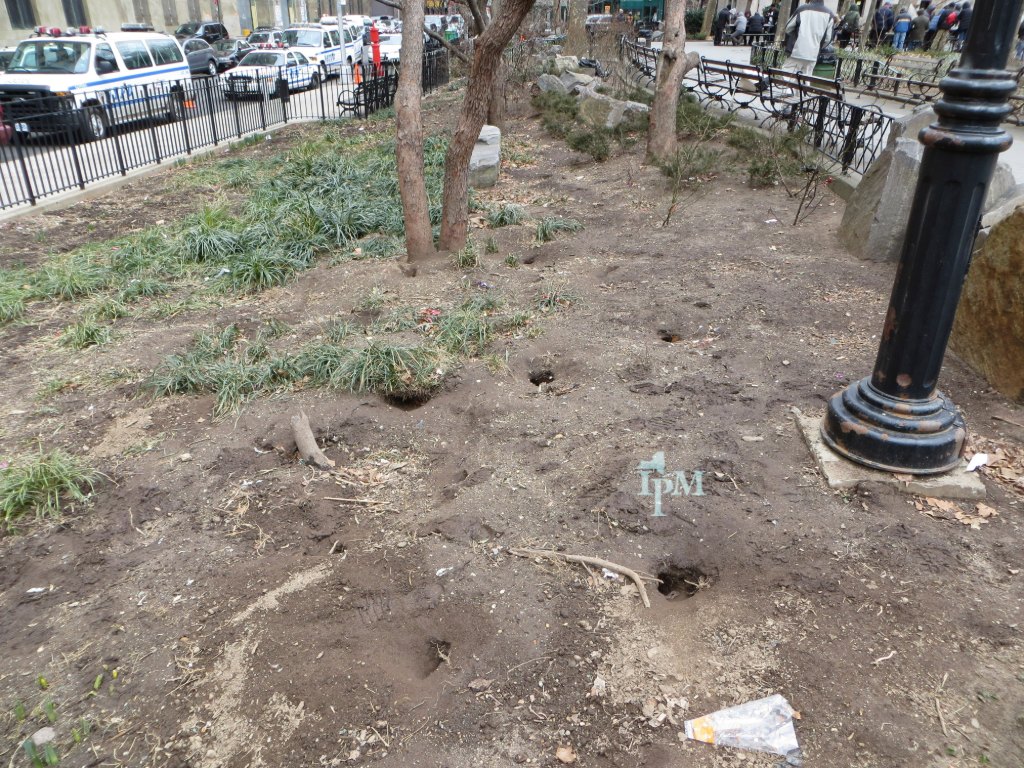
A professional can test a suspect burrow by pouring colored dye into it. If the dye shows up in a nearby sewer manhole, the side sewer probably has a break (King County). Allegheny County notes that a plumber can inspect the house line with a sewer camera.
How to keep rats out of your toilet and drains
| What to do | Details | Source |
|---|---|---|
| Keep food and grease out of drains | Rinse the sink clean, use the garbage disposal as little as possible, use a sink strainer, never pour grease or oil down the drain | King County |
| Clean the kitchen drain | About once a month: baking soda, then vinegar, then boiling water; or bleach, then boiling water | King County |
| Inspect the side sewer | Seattle Public Utilities suggests every 8 to 10 years; in Seattle the owner is responsible for the side sewer, and Allegheny County says the same for the house line | King County, Allegheny County |
| Repair broken lines | Lines that are broken, root-blocked or infested may need replacing between the house and the street, by a licensed contractor | Allegheny County, King County |
| Cover floor drains | Metal grates fastened in place, with openings ¼ inch or smaller | UNL Extension |
| Keep the toilet lid down | Stops a rat in the bowl from getting out | King County |
UNL notes that the rat guard once sold to fit into toilet plumbing is no longer available. Ask a plumber what fits your system if rats keep coming up.
Sewer rats are only part of the picture. Most rats still get in through gaps in the foundation and around pipes; the full plan, from sealing to trapping and cleanup, is in how to get rid of rats.
Can mice swim?
The UNL guides list swimming, diving through plumbing traps and traveling in sewers for rats only, not for house mice, and we found no university or government source showing that house mice come in through toilets or drains. The routes that matter for mice are small gaps around pipes, doors, vents and the foundation; see how do mice get in your house.
More questions about rats and water
Can rats come up through a shower or sink drain?
King County says kitchen drain pipes are too small for rats, which is why they try the toilet. A basement floor drain without a grate is a different matter: Allegheny County lists uncovered floor drains as a way in.
Do rats live in sewers?
Norway rats do, in many towns and cities (ICWDM). Allegheny County says sewers give rats steady temperatures, few disturbances and food washed down from garbage disposals, and that rats come up when the sewer is crowded, flooded, under construction or short of food.
Can a rat drown?
Yes. The New Zealand review says most rats tested in the field were weak swimmers, and the King County toilet advice works because soap keeps a rat from staying afloat. But a healthy Norway rat can swim far, and water in a trap or a flooded sewer will not stop it.
Do rats come up toilets more after heavy rain?
King County says flooding and heavy rain can drive rats into the side sewer lines that run to houses, and Allegheny County lists flash floods among the things that push rats out of sewers.
Are rats that come from the sewer dangerous?
Treat a sewer rat like any wild rat: do not handle it, and clean what it touched with gloves and a disinfectant. See what rodent droppings and urine can carry and rat bites.
In short
Rats swim well, Norway rats best of all: half a mile in open water by UNL’s count, through the water in a drain trap and along sewer lines. That is how a rat can come up a toilet, usually from a sewer near a broken or old side sewer, and more often after heavy rain. If it happens, close the lid, add dish soap and flush, then report it and have the sewer line checked. Keep food and grease out of the drains and put grates on floor drains.
Sources and verification
- UC IPM — Pest Notes: Rats (UC ANR Publication 74106, June 2025)Rats enter by gnawing, climbing, jumping or swimming through sewers and coming up through toilets or broken drains; Norway rats the more powerful swimmers, roof rats the better climbers; roof rats sometimes in sewers; sealing openings for sewer pipes and drains.
- ICWDM — Norway Rat Biology and Roof Rat BiologyNorway rats enter by gnawing, climbing, jumping and swimming and live in sewers in towns and cities; roof rats found in sewers, but not commonly.
- University of Nebraska–Lincoln Extension: Rodent-Proof Construction — Structural (NebGuide G1530, rev. 2009) and Rodent-Proof Construction — Drains and Feeding Equipment (NebGuide G2017, 2010)Rats swim half a mile in open water, dive through plumbing traps and travel in sewer lines against a current; toilet entry uncommon; rat guards no longer available; floor drain grates ¼ inch or less, fastened; sewer rat programs; no swimming listed for house mice.
- Russell, Towns and Clout — Review of rat invasion biology (Science for Conservation 286, New Zealand Department of Conservation, 2008)Norway rats the best swimmers, regularly up to about 1 km and up to 2 km; a tracked swim of more than 400 m; older estimates of 300 to 600 m too low; large individual differences and weak swimmers in field tests.
- Public Health – Seattle & King County — Keep rats out of your toilet and sewer pipes and What to do if a rat comes up your toilet (Public Health Insider, January 2023)How rats reach toilets; food and grease in drains; old side sewers; flooding; kitchen pipes too small; lid, dish soap and flushing; pest control and traps if the rat stays or escapes; dye test for side sewer breaks; side sewer inspection every 8 to 10 years; drain cleaning; reporting.
- Allegheny County Health Department — How Rats Enter Homes from SewersWhy rats live in sewers; breaks in brick and clay pipes; burrowing up from as deep as 8 feet; house drain lines, floor drains, roof drains, vents and toilets; sewer camera inspection; owner responsible for the house line; signs above sewer connections.