
Cleanup and safety
Dead Rat Smell: How to Find the Source, How Long It Lasts and How to Get Rid of It
A dead rat in a wall, attic or crawl space can fill a room with the smell of decay, often a few days after poison bait went out. This guide covers why it happens, how to track the smell to its source without tearing the house apart, how to remove the carcass safely, how long the smell lasts if you can’t reach it, and what actually helps clear the air.
Short answer
- Remove the carcass if you can reach it. Nothing else clears the smell as fast. Use gloves and CDC’s spray-soak-bag method.
- Use flies to find it. Wildlife damage specialists at Cooperative Extension say to look for flies, and to drill a small inspection hole rather than tear out a wall.
- If you can’t reach it, ventilate and wait. An Ask Extension expert said this kind of odor usually fades within one to two weeks, depending on the animal’s size. A rat is a bigger animal than a mouse, and Extension notes that the larger the animal, the longer it takes.
- Skip the ozone machine. EPA says ozone is not effective at removing many odor-causing chemicals and can damage the lungs.
- Stop it happening again: trap instead of poisoning rats indoors (ICWDM) and seal the way they got in.
Why a dead rat ends up in a wall
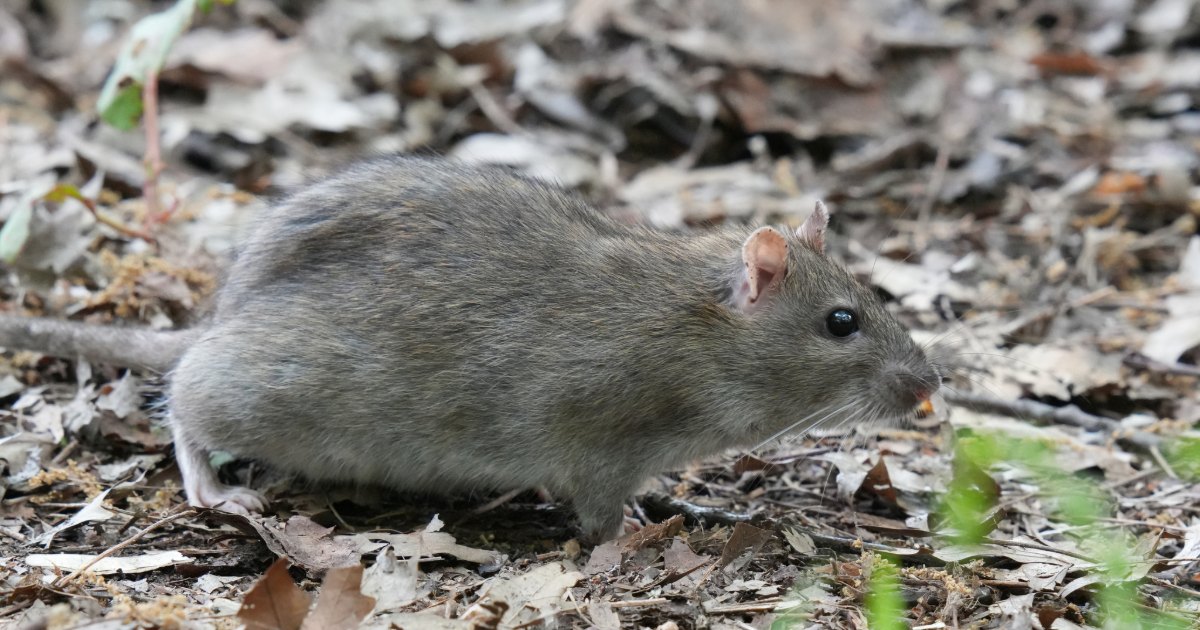
Most of the time, the smell follows poison bait. ICWDM says trapping is recommended in homes because, unlike with poison baits, there is no risk of a rat dying in an inaccessible place and creating an odor problem. Its Norway rat guidance makes the same point: traps let you dispose of the carcass and avoid odor from decomposing rats that may remain after toxic baits.
Where a rat dies depends on where it lives. UC IPM says roof rats favor attics, walls, false ceilings and cabinets indoors, while Norway rats build burrows along foundations and, indoors, tend to stay in basements and on the ground floor, though UC IPM says they also turn up in ceiling voids. So a smell from the ceiling or upstairs points first to the attic and wall voids, and a smell near the floor to the crawl space, the space under cabinets and appliances, or the lower part of a wall. If you are not sure which rat you have, see roof rat vs Norway rat.
The smell is decay; ICWDM calls it odor from decomposing carcasses. We found no agency description finer than that, and none that lets you tell a dead rat from a dead mouse by smell. If the odor is musky rather than rotten and has been building for weeks, it may be urine from living rodents instead; see mouse urine smell. For rats, see rat urine smell.
How to find the source
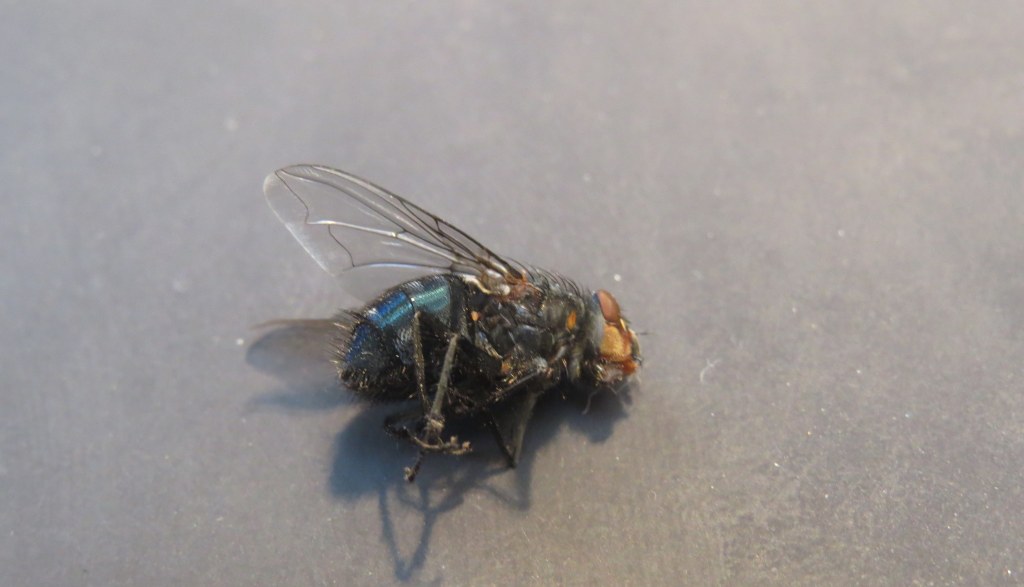
- Look for flies. The Wildlife Damage Management team at Extension puts this first. Harvard Environmental Health and Safety adds that flies, beetles and moths feed on a hidden rodent carcass. Flies gathering at a window, a light fixture, an outlet or a gap in the baseboard are a strong clue.
- Treat the strongest spot as a clue, not a location. Harvard EH&S notes that odor from a hidden carcass spreads through a much larger area than the carcass itself.
- Check the places you can open first. Our own checklist, not from a source: behind and under appliances, inside lower cabinets and toe kicks, the attic above the smell, the crawl space or basement below it, and any trap or bait station you set.
- Drill, don’t demolish. Extension recommends a small drill hole and an inspection camera (a fiber optic scope) for walls, cutting a larger hole only once you have found the carcass. They do not recommend tearing out walls, because it is easy to be fooled about where the carcass is.
- Call for help when it’s out of reach. CDC advises contacting a pest control professional when rodents have gotten into areas you cannot reach to clean. Opening a wall with wiring or plumbing in it is a job for the right tradesperson.
More on wall voids, including when it makes sense to open one, is in what to do with a dead mouse; the same steps apply to a rat.
How to remove a dead rat safely
CDC’s method for a dead rodent:
- Put on rubber or plastic gloves. Fleas are common on rodents, so CDC suggests insect repellent such as DEET on clothing, shoes and hands.
- Spray the dead rat, any nest and the area around it with disinfectant or a fresh bleach solution (1.5 cups of bleach per gallon of water) and let it soak for 5 minutes or as the label says.
- Put the rat in a plastic bag, along with the trap if you are not reusing it. UC IPM suggests turning a sturdy bag inside out over your hand to pick it up.
- Tie the bag, put it in a second bag and tie that one too.
- Throw it in a covered garbage can that is emptied regularly, or ask your state health department about other ways to dispose of it.
- Wash your gloved hands, take the gloves off, then wash your hands with soap and warm water.
If the rat may have eaten poison, get it out of reach of pets quickly. UC IPM warns that dead rats can contain several lethal doses of anticoagulant bait, and pets and wildlife that eat them can be poisoned. See mouse poison around pets.
How long does dead rat smell last?
There is no exact countdown, and anyone who gives you one is guessing. What the sources say:
- One to two weeks is typical. An Ask Extension expert answering a Texas homeowner said the odor usually goes away within one to two weeks, depending on the size of the animal. In the expert’s own house, the smell faded after about a week and was gone after roughly two and a half weeks, and the source was never found.
- Bigger animals take longer. Extension’s wildlife damage team says the larger the animal, the longer it takes. An adult Norway rat weighs about 12 to 16 ounces on average (ICWDM), many times the size of a house mouse, so expect a rat to sit at the longer end.
- Heat speeds it up. The same Extension team says heat speeds up decay, and air flow dissipates the smell.
How to get rid of the smell
- Remove the source. Everything else only helps you wait.
- Air it out. Open windows and run fans. If opening the whole house is not practical, the Ask Extension expert suggested opening the windows in the room that is most affected.
- Clean the spot where the rat was. Use the wet method above on the surface under it; never sweep or vacuum rodent waste (CDC). For carpets and upholstery, CDC recommends a commercial disinfectant or a commercial-grade steam cleaner or shampoo.
- Use an odor absorber or deodorizer while you wait. The Ask Extension expert recommended charcoal odor products; Extension’s wildlife damage team says the deodorant doesn’t have to be anything special.
- Don’t rely on ozone or ionizers. EPA says ozone at levels that do not exceed public health standards is not effective at removing many odor-causing chemicals, and when inhaled can cause chest pain, coughing, shortness of breath and throat irritation. Extension says it has not found scientific studies supporting ionizing devices.
Is dead rat smell harmful?
We found no agency saying that the smell on its own makes people sick. The risks the sources describe come from the carcass: Extension warns that a carcass may carry infectious agents, CDC warns about fleas on dead rodents, and a poisoned rat is a danger to pets that find it. That is why the gloves, the disinfectant and the double bag matter more than the air freshener. If anyone in the house becomes ill after rodent exposure, CDC says to tell a healthcare provider about it. What rodents can spread, and how, is in are mouse droppings dangerous?
After the smell: are there more rats?
One dead rat says nothing about whether the others are gone. Look for fresh droppings, gnawing and noises over the next week or two; see how to get rid of rats for the full plan. For rats inside the house, use traps rather than bait so that the next one does not die in the wall; best rat traps covers types and placement, and rat in the attic covers the attic. ICWDM notes that odors from people or dead rats are not known to reduce trapping success, so you don’t need to wait for the smell to clear before setting traps.
Questions people ask
Can I just leave a dead rat in the wall?
Many people do, when it can’t be reached; the Ask Extension expert never found the one in their own house. Expect the smell and the flies for one to two weeks or longer, and keep pets away from any gaps. If the smell is unbearable or does not fade, a pest professional can locate it with a camera.
Does dead rat smell attract other pests?
It attracts insects. Harvard EH&S lists flies, beetles and moths feeding on hidden rodent carcasses, which is one more reason to remove the carcass if you can reach it.
Why does the smell come and go?
Air movement and temperature change how much odor reaches you. Extension notes that air flow dissipates the smell and heat speeds decay, so a warm afternoon or a closed-up house can make it seem stronger.
Is it a dead rat or a dead mouse?
You can’t tell by smell alone. Signs of rats before the smell, such as large droppings, noises in the attic or gnawing, are the better clue; see do I have mice or rats?
In short
A rotten smell from a wall, ceiling or floor a few days after rat bait went out is very likely a dead rat. Follow the flies, check the spaces you can open, and drill rather than demolish. If you find it, spray, bag and double-bag it with gloves on. If you can’t, ventilate and expect one to two weeks or more. Skip ozone, and switch to traps indoors so it doesn’t happen again.
Sources and verification
- Extension Wildlife Damage Management — Something died in my walls. How do I get rid of the smell?Look for flies; a drill hole and fiber optic scope instead of tearing out walls; air flow dissipates the smell and heat speeds decay; any deodorant will do; the larger the animal, the longer it takes; carcasses may carry infectious agents; EPA concerns about ozone generators; no studies found supporting ionizing devices.
- Ask Extension — Dead animal odor (#371381), Collin County, Texas (October 20, 2016)Expert answer: the odor usually fades within one to two weeks depending on the animal’s size; charcoal odor products; opening windows in the house or in the most affected room; the expert’s own case (about a week to fade, about two and a half weeks to go, source never found).
- ICWDM — Roof Rat Prevention and Control Methods, Norway Rat Damage Prevention and Control Methods and Norway RatsTrapping recommended in homes because there is no risk of a rat dying in an inaccessible place and creating an odor problem; traps allow disposal of carcasses and avoid odor from decomposing rats; odors from people or dead rats do not reduce trapping success; adult Norway rats average 12 to 16 ounces.
- UC IPM — Pest Notes: Rats (June 2025)Roof rats indoors in attics, walls, false ceilings and cabinets; Norway rats burrow along foundations and indoors usually stay in basements and ground floors, sometimes ceiling voids; disposable gloves and a bag inverted over the hand for dead rodents; dead rats can contain several lethal doses of anticoagulant and poison pets that eat them.
- CDC — How to Clean Up After Rodents (April 2024)Steps for dead rodents (gloves, insect repellent for fleas, disinfectant or 1.5 cups bleach per gallon, 5-minute soak, double bag, covered garbage or state health department); no sweeping or vacuuming; carpets and upholstery; tell a healthcare provider about rodent exposure.
- CDC — How to Seal Up to Prevent RodentsContact a pest control professional if rodents have gotten into areas that cannot be reached to clean.
- EPA — Ozone Generators that are Sold as Air Cleaners (updated February 19, 2026)Ozone at levels within public health standards is not effective at removing many odor-causing chemicals; inhaled ozone can damage the lungs and cause chest pain, coughing, shortness of breath and throat irritation.
- Harvard Environmental Health and Safety — Mice FAQs (2020)Odor from a hidden carcass spreading through a larger area than the carcass; flies, beetles and moths feeding on it. Written about mice; used for context.