
Traps and materials
What Smells Do Mice Hate? What the Research Says About Peppermint, Mothballs, Dryer Sheets and More
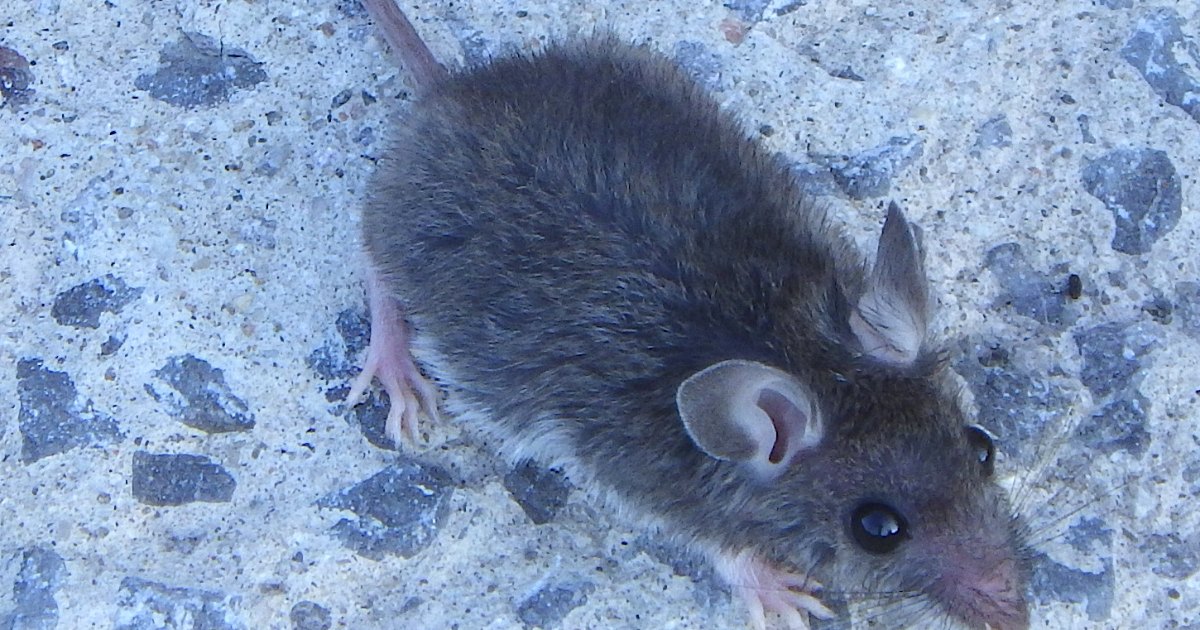
Mice have a keen sense of smell, and some odors do make them back off for a while. But when researchers and university pest guides look at whether a smell can keep mice out of a house, the answer is almost always the same: the effect is weak, short, or untested in a real home. Here is what is known about each smell people try, which ones are actually registered as mouse repellents, which ones are unsafe, and what to do instead.
Short answer
- Mice dislike some smells, but no smell reliably keeps them out. ICWDM says rodents find some tastes and odors objectionable, but chemical repellents are seldom practical solutions for mouse infestations.
- The effect fades. In lab and enclosure studies, essential oils and predator odors cut visits or feeding for a time; results are inconsistent once tests move from the lab to the field.
- Mothballs are not a mouse repellent. The National Pesticide Information Center says they are insecticides meant for closed, airtight containers and are harmful when used in the open.
- Dryer sheets and ammonia have no evidence behind them for mice. We found no study and no official guide that recommends either.
- What works is not a smell: seal the gaps, trap the mice already inside, and take away food and shelter.
Smells people use against mice: what the evidence shows
| Smell | What the evidence shows | Verdict |
|---|---|---|
| Peppermint oil | In a lab study, mice avoided it right after it was applied; a week later the effect was gone. No home trial found | Short-lived at best; details in does peppermint oil repel mice? |
| Other essential oils (bergamot, lavender, thyme, eucalyptus) | Mixed. Bergamot oil cut wild house mice’s feeding in one lab study; lavender and thyme oils had no effect. Eucalyptus was tested on rats, not mice, and worked best when reapplied daily | Unproven for keeping mice out |
| Cinnamon and clove oil | In storage buildings, baits with these oils were eaten more than plain bait | Not a repellent; may even attract |
| Cat or fox odor | Lab mice react to some predator odors, but the effect is weak or short; in a semi-captive study, house mice showed no aversion to cat urine or feces | Not reliable; see do cats keep mice away? |
| Mothballs (naphthalene, paradichlorobenzene) | Insecticides for airtight containers; NPIC says they are not wildlife repellents and can harm people and pets in the open | Do not use |
| Ammonia | A 1994 university handbook says it may have a temporary effect in enclosed areas at high concentration; it is not registered as a mouse repellent | Not recommended |
| Dryer sheets | No study on mice found. The only research is on fungus gnats | No evidence |
| Cayenne and hot pepper | Works by irritating taste and mouth, not smell; a caged study cut cable gnawing by rats | Taste deterrent, not a smell repellent |
| Balsam fir oil pouches | EPA-registered for keeping mice out of enclosed storage areas and vehicles for up to 30 days; we found no independent test | The only registered scent option; limited use |
Why smells rarely solve a mouse problem
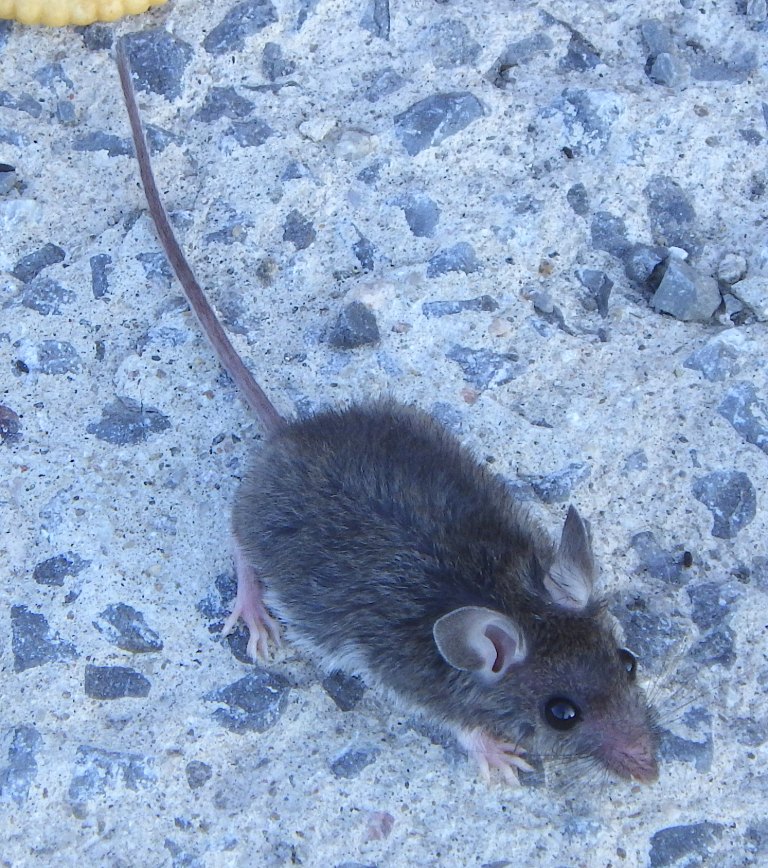
House mice do have a strong sense of smell. UC IPM, the University of California’s integrated pest management program, says they have keen senses of taste, hearing, smell and touch. That is exactly why so many products and home remedies target the nose. The trouble is what happens next.
First, the effect wears off. UC IPM says rats have an initial aversion to some odors and tastes, but no repellent has been found to solve a rat problem for more than a very short time. ICWDM, the Internet Center for Wildlife Damage Management, makes the same point about fear-based repellents in general: animals adapt, especially when no real predator follows the smell.
Second, the evidence weakens outside the lab. A 2016 systematic review of 54 studies of plant compounds and rodents found the strongest effects for essential oils and terpenoids in laboratory tests, but inconsistent success across laboratory, enclosure and field studies, which the authors say is why few such repellents are registered.
Third, a smell does not remove the reasons mice are there. A mouse that has found warmth, nesting material and food in your kitchen has a strong reason to tolerate an unpleasant odor, and a 1/4-inch gap stays open whatever it smells like. What brings mice in is covered in what attracts mice, and the ways in are in how do mice get in your house?
Peppermint and other essential oils
Peppermint is the smell people try most, and we cover it in detail in does peppermint oil repel mice? In short: mice avoided it in a lab test right after it was applied, but not a week later, and no study we found shows it keeping mice out of a real home.
Other oils have been tested less, and the results do not line up:
- Bergamot, lavender and thyme. In a 2017 study of wild house mice offered cereal bait, bergamot oil reduced how much the mice ate, which the authors read as a repellent effect. Lavender and thyme oils had no effect on what the mice ate.
- Cinnamon and clove. In storage buildings in Serbia, baits with 0.5 to 1% cinnamon or clove oil were more attractive to wild house mice than plain bait over the first week. A follow-up study by the same group added cinnamon oil to rodent bait to make mice eat more of it.
- Eucalyptus. A lab study found it made house rats avoid treated food, but the effect was best with daily reapplication, and the authors note low persistence because the oil evaporates. It was not tested on house mice.
- Black pepper oil and other plant compounds. In outdoor enclosures, house mice visited boxes with soil treated with four plant compounds less often than untreated boxes. The researchers called the results promising for further work, not a ready product.
So the honest summary is that some oils change mouse behavior near the treated spot for a while, others do nothing, and a few attract mice. None has been shown to keep mice out of a house.
Cat, fox and other predator smells
Mice are born wary of some predator odors. A chemical in fox feces, called TMT, makes lab rats and some strains of lab mice freeze, and researchers note it was once marketed as a natural rodent repellent. A large review of predator odors found field repellent effects may sometimes be of practical use, but that not all attempts have been successful.
House mice in real conditions are less impressed. In a 2015 study by researchers in Argentina, in which commensal house mice foraged in semi-captivity, the mice showed no aversion to the urine or feces of domestic cats or a wild cat, and the authors concluded that predator odors did not seem useful as rodent repellents. Cat odor, cat litter and the cat itself are covered in do cats keep mice away?
Mothballs: do not use them for mice
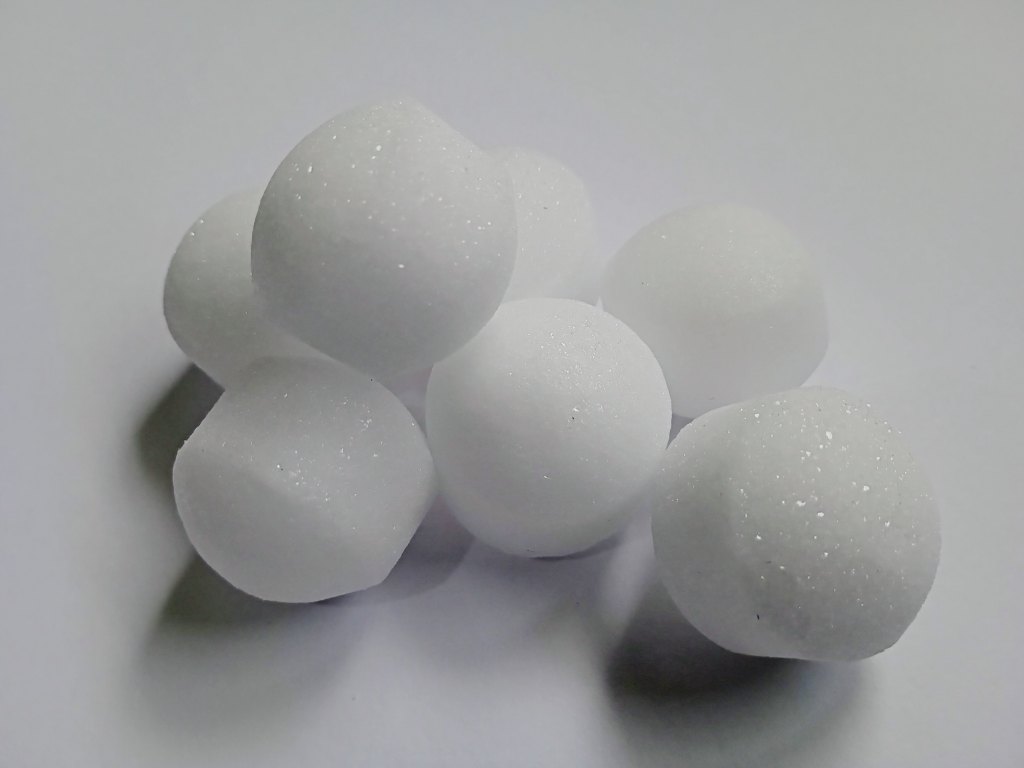
Mothballs, moth flakes and crystals contain very high concentrations of naphthalene or paradichlorobenzene. The National Pesticide Information Center (NPIC) says they are insecticides meant to be used in closed, airtight containers to kill clothes moths, that they are not wildlife repellents, and that used in the open they can harm people, pets or wildlife that touch or eat them or breathe the vapors. A pesticide may only be used the way its label allows.
A 1994 university handbook chapter on house mice does say naphthalene, in sufficient concentration, may have a temporary effect in enclosed areas. ICWDM explains the catch: to reach that concentration, you may drive yourself and your family out of the house too. It says it is common for professionals to be called in after mothballs had no effect.
Ammonia
The same 1994 handbook puts household ammonia next to naphthalene: at high enough concentration it may keep mice out of certain enclosed areas for a while, but it is not registered by EPA as a mouse repellent. We found no current university or government source that recommends it, and no study behind the common claim that ammonia smells like a predator’s urine.
There is also a safety reason to leave it alone. If you are cleaning up after mice, CDC’s method uses a disinfectant or a bleach solution, and bleach must never be mixed with ammonia. The full cleanup steps are in how to clean mouse droppings, and a sharp smell you already have may be the mice themselves: see mouse urine smell.
Do dryer sheets repel mice?
We found no evidence that they do. No peer-reviewed study on dryer sheets and mice turned up in our search, and no university extension service or government agency we checked recommends them. The advice circulates mostly on RV, camping and home blogs.
The only research on dryer sheets as a repellent is about insects. A 2010 Kansas State University study found that one brand of fabric softener sheets repelled fungus gnats in the lab, and that the sheets gave off fragrance compounds including linalool and beta-citronellol. That tells us nothing about mice. If anything, the closest mouse data point the other way: lavender oil, whose main components include linalool, had no effect on wild house mice in the 2017 feeding study above.
Dryer sheets stuffed into an engine bay, an RV or a stored box are also nesting material. If you are protecting a vehicle, the steps that have support are in mice in your car.
Irish Spring soap is the other scent tip that circulates on the same blogs. We found no study that tested it on mice; what the label says and the one soap study (on deer) are in does Irish Spring soap repel mice?
Cayenne, hot pepper and capsaicin
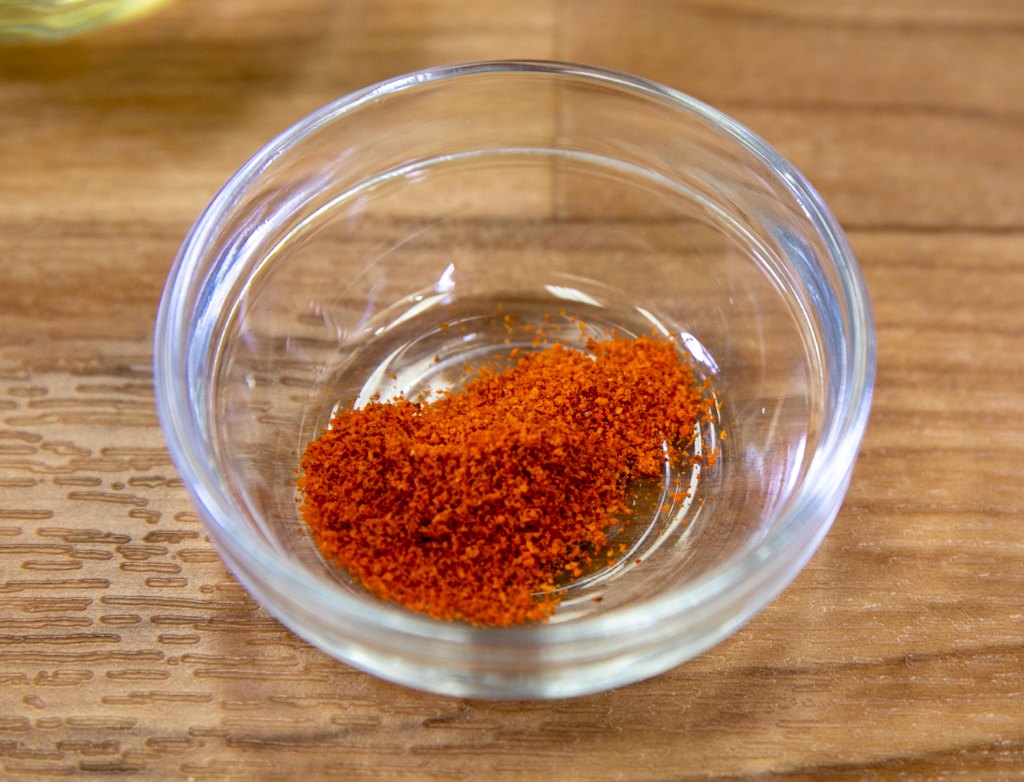
Hot pepper works on a different sense. ICWDM classes capsaicin as a pain repellent: the animal has to taste or bite it, and it must be reapplied often. In a caged study, cable treated with capsicum oleoresin lost less to gnawing by wild Norway rats than untreated cable over seven days. That is a taste deterrent for one surface, not a smell that keeps mice out of a room, and we found no comparable study on house mice.
Are any scent repellents registered for mice?
A few. A balsam fir oil pouch is registered with EPA (Reg. No. 82016-1). Its label says it keeps mice out of enclosed, non-living spaces such as storage areas, sheds, garages and vehicles for up to 30 days, at one pouch per 8 square feet, and to keep it out of reach of children. ICWDM notes that mint oil and balsam fir oil are sold as mouse repellents but that little information is available on how well they work, and we found no independent test of the product.
Many other “natural” mouse repellents are sold under EPA’s minimum risk exemption, which lets products made only from listed low-risk ingredients skip registration. EPA says that, generally, it does not review those products or their labels, so the box is not evidence that they work. The federal list of allowed ingredients includes peppermint, clove, cedar, cinnamon, citronella, rosemary and thyme oils, among others; capsaicin and eucalyptus are not on it. We explain the rules in our peppermint oil guide.
If you do use a registered scent product, use it where its label says, in a closed space such as a stored vehicle or a shed, and treat it as one layer on top of sealing and trapping. Do not put any repellent where a pet can chew it.
Other repellents we checked
- Does peppermint oil repel mice? The lab study, the EPA exemption and pet safety.
- Do ultrasonic pest repellers work? What universities, the FTC and EPA say about plug-in sound devices.
- Are ultrasonic pest repellers safe for pets? What is and is not known for dogs, cats and small pets.
- Do cats keep mice away? Cats, cat odor and used litter.
What to do instead
- Confirm it is mice. Droppings, gnaw marks and nests tell you what you have and where; start with one mouse or an infestation?
- Seal the gaps. A mouse can get through an opening about 1/4 inch wide; see how to seal mouse entry points.
- Trap the mice already inside. Snap traps along walls are the first choice in UC IPM’s guide; see best mouse traps.
- Remove food and shelter. Sealed containers, pet food put away, clutter cleared.
- Clean up safely once the mice are gone, with CDC’s wet method.
The full sequence is in how to get rid of mice. Sound-based devices fare no better than smells; see do ultrasonic pest repellers work?
More questions about smells and mice
What smell do mice hate the most?
There is no single answer backed by research. In lab and enclosure tests, mice avoided some essential oils, some plant compounds and some predator odors for a time. None of them has been shown to keep mice out of a home, and some oils, such as cinnamon and clove, made bait more attractive.
Will mice leave if the house smells strongly of something?
Not reliably. Mice that have food and shelter tend to get used to an odor, and the ones nesting inside walls stay there. Trapping and sealing are what actually reduce the number of mice.
Do mice hate the smell of bleach or vinegar?
We found no study testing either as a mouse repellent. Bleach has a real job in rodent cleanup as a disinfectant, used the way CDC describes; vinegar is not part of CDC’s procedure.
Is it safe to use essential oils around pets?
Concentrated oils are not harmless. Our peppermint oil guide covers what poison control services and the ASPCA say. Keep any repellent away from pets, and ask a veterinarian before using oils near cats. For plug-in sound devices, see are ultrasonic pest repellers safe for pets.
Do mice dislike the smell of dead mice?
We found no reliable source on that. A dead mouse in a wall will smell for a while and should be found and removed if possible; see what to do with a dead mouse.
In short
Mice notice smells, and a few odors make them hesitate for a while. But the research on essential oils, predator odors, ammonia and mothballs points the same way: short effects in the lab, weak or no effects in the field, and in the case of mothballs, real risks to your household. Dryer sheets have no evidence at all. Use a registered scent product only as a small extra in a closed space, and put your effort into sealing, trapping and removing food.
Sources and verification
- UC IPM — Pest Notes: House Mouse (July 2025)Keen senses of taste, hearing, smell and touch; snap traps as the first step; ultrasonic and other devices.
- UC IPM — Pest Notes: Rats (June 2025)Initial aversion to some odors and tastes; no repellent solves a rat problem for more than a very short time.
- ICWDM — House Mouse Damage Prevention and Control Methods, Repellents and MothballsChemical repellents seldom practical for mice; mint and balsam fir oil sold with little information on effectiveness; fear repellents and adaptation; capsaicin as a pain repellent; mothballs need high concentrations and are not recommended.
- Timm, R. M. — House Mice (Prevention and Control of Wildlife Damage, University of Nebraska–Lincoln, 1994), pp. B-31, B-37Naphthalene or household ammonia in sufficient concentration may have temporary effects in enclosed areas; not registered by EPA as mouse repellents; rodent-proofing and population reduction more permanent.
- National Pesticide Information Center — Mothballs: Naphthalene and Paradichlorobenzene (July 2025)Insecticides for closed, airtight containers; not wildlife repellents; harm to people, pets and wildlife when used in the open.
- Hansen, Stolter, Imholt and Jacob — Plant Secondary Metabolites as Rodent Repellents: a Systematic Review (Journal of Chemical Ecology, 2016)54 publications; strongest effects for essential oils and terpenoids in the lab; inconsistent success across lab, enclosure and field studies. Abstract.
- Hansen, Stolter, Imholt and Jacob — Like or dislike: Response of rodents to the odor of plant secondary metabolites (Integrative Zoology, 2017)Enclosure study with house mice and common voles; fewer visits and less feeding at boxes with treated soil. Abstract.
- Jokić and others — A method for reducing environmental pollution by using essential oils in rodent pest management program (Environmental Science and Pollution Research, 2017)Bergamot oil reduced wild house mice’s bait intake; lavender and thyme oils had no effect. Abstract.
- Jokić and others — Response of wild Mus musculus to baits containing essential oils: I — Cinnamon and clove tested in storage facilities (Pesticidi i fitomedicina, 2018)Cinnamon and clove oil baits more attractive than placebo in the first week. Abstract.
- Singla, Thind and Mahal — Potential of eucalyptus oil as repellent against house rat, Rattus rattus (The Scientific World Journal, 2014)Lab repellency in rats; best with daily application; low persistence because the oil is volatile.
- Rosen, Asok and Chakraborty — The smell of fear: innate threat of 2,5-dihydro-2,4,5-trimethylthiazoline (Frontiers in Neuroscience, 2015)TMT from fox feces causes innate freezing in rats and some mouse strains; once marketed as a natural rodent repellent.
- Apfelbach and others — The effects of predator odors in mammalian prey species (Neuroscience and Biobehavioral Reviews, 2005)Field repellent effects sometimes of practical use; not all attempts successful. Abstract.
- Busch and Burroni — Foraging activity of commensal Mus musculus in semi-captivity conditions: effect of predator odours, previous experience and moonlight (2015)No aversion to domestic cat or Geoffroy’s cat urine and feces; predator odors not useful as rodent repellents. Abstract.
- Shumake, Sterner and Gaddis — Repellents to reduce cable gnawing by wild Norway rats (Journal of Wildlife Management, 2000)Capsicum oleoresin reduced gnawing on cable in a 7-day caged test. Abstract.
- ScienceDaily — Fabric softener dryer sheets repel fungus gnats (on Cloyd, HortScience, 2010)Dryer sheets repelled fungus gnat adults in the lab; linalool and beta-citronellol detected; no rodents tested.
- EPA — Pesticide label, Reg. No. 82016-1 (April 2023)Balsam fir oil 2%; enclosed non-living spaces and vehicles; up to 30 days; one pouch per 8 square feet; keep out of reach of children.
- EPA — Minimum Risk Pesticide Definition and Product ConfirmationExemption under 40 CFR 152.25(f); EPA generally does not review such products or their labels.
- eCFR — 40 CFR 152.25(f), Exemptions for pesticides of a character not requiring FIFRA regulationList of active ingredients allowed in minimum risk pesticides, including peppermint, clove, cedar, cinnamon, citronella, rosemary and thyme oils; capsaicin and eucalyptus are not listed.
- CDC — How to Clean Up After Rodents and Cleaning and Disinfecting with BleachDisinfectant or bleach solution for droppings and urine; never mix bleach with other cleaners, including ammonia.