
Traps and materials
Does Irish Spring Soap Repel Mice? What the Evidence Says and What Works Instead
Bars of Irish Spring tucked into campers, engine bays, sheds and kitchen cabinets are one of the most repeated mouse tips online. We looked for any test of soap against mice and found none. Here is what is in the bar, the one old study of soap as a repellent (on deer, with a twist involving rodents), what university pest guides say about scent repellents in general, and what keeps mice out instead.
Short answer
- There is no evidence that it works. We found no published study, university guide or government source showing that Irish Spring, or any bar soap, keeps mice away.
- Scent repellents in general are unreliable. NC State Extension says repellents are not a reliable form of mouse management or prevention, and ICWDM says chemical repellents are seldom practical for mouse infestations.
- The only real soap study is on deer, and its authors warned that trees treated with soap were more susceptible to damage from voles, which are rodents.
- What works: seal gaps of 1/4 inch and larger, set snap traps, and take away food and nesting material.
Where the idea comes from
The tip is everywhere on RV, camping, farm and home forums: shave the soap or leave whole bars in drawers, under the hood of a stored car or tractor, or in a camper over the winter. The reasoning is that mice have a keen sense of smell, which UC IPM confirms, and that a strong perfume must bother them. That is a reasonable guess. It just has not been tested on mice.
What is in a bar of Irish Spring
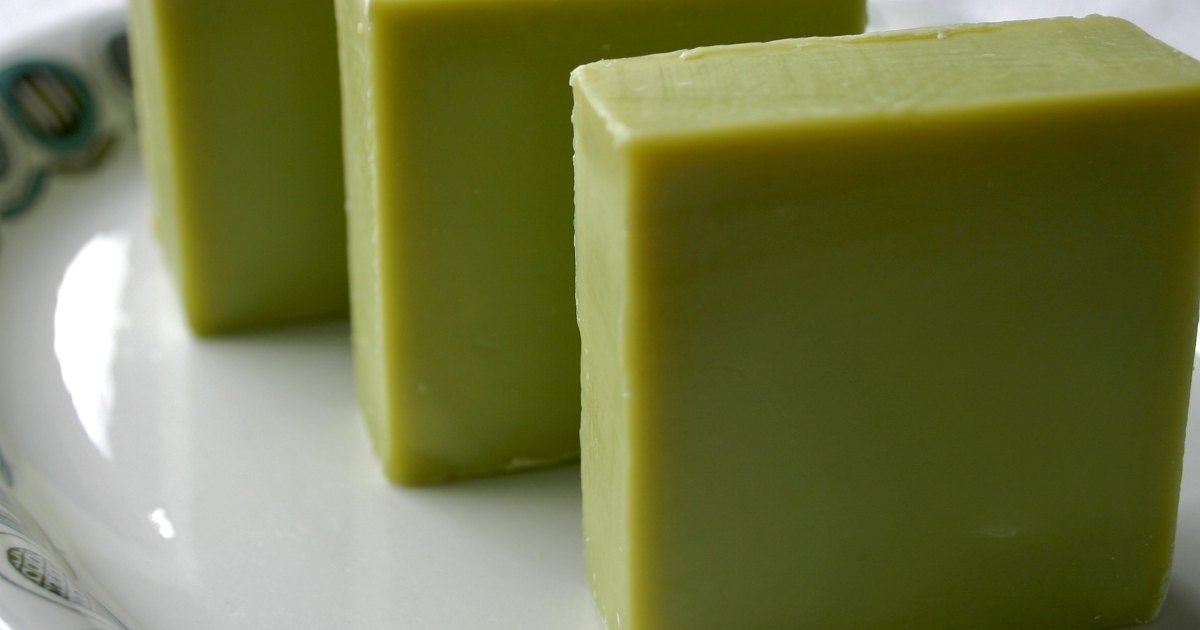
Colgate-Palmolive’s product label for Irish Spring Original lists soap salts (sodium laurate, linoleate, oleate and palmitate), water, glycerin, kaolin clay, fragrance, salt, two stabilizers, titanium dioxide and two green dyes. The fragrance, which is what people are counting on, is not broken down into its ingredients. The bar is sold as a body soap; it is not sold or labeled as a pest repellent.
One detail matters for the deer study below: the current label does not list tallow (sodium tallowate), the animal fat that older soaps were made from.
What the research says
Mice: no studies
We searched for laboratory, enclosure and field tests of Irish Spring or other bar soaps against house mice, deer mice or rats and found none. The research that does exist on smells and mice is about essential oils and predator odors, and it points the same way each time: some effect in the lab, short-lived or inconsistent in the field. A 2016 systematic review of 54 studies of plant compounds and rodents found inconsistent success across lab, enclosure and field tests. Every smell people try is compared in what smells do mice hate?
Deer: one study, and a warning about voles
The soap-as-repellent idea comes from deer. In a 1991 study, researchers from Cornell University and the U.S. Fish and Wildlife Service tested bar soap against deer browsing on sweet corn and apple trees. Tallow-based soap bars protected plots better than bars without tallow; adding perfume to a soap spray did not improve it. They found soap bars cheaper than commercial repellents in the first season but said each bar protects only a small area.
They also reported, from field observations, that soap-treated trees were more susceptible to vole damage, and advised growers who use soap to manage voles aggressively. That is not proof that soap attracts rodents, but it is the opposite of what people hope for when they hang soap to keep rodents away.
What pest guides say about scent repellents
- NC State Extension (2024): there is some evidence that certain odors can repel mice, but repellents are not a reliable form of mouse management or prevention. Highly volatile oils disappear quickly and may make baits and traps work less well.
- ICWDM: rodents find some tastes and odors objectionable, but chemical repellents are seldom practical solutions for mouse infestations.
- UC IPM: rats show an initial aversion to some odors and tastes, but no repellent has been found to solve a rat problem for more than a very short time.
Why it can seem to work
This part is our reasoning, not a source’s. People usually put soap out at the same time as they clean up, take out food, close the camper or car tightly and set traps, and the mice that stop showing up are credited to the soap. Mouse pressure also changes with the season: UC IPM says house mice move indoors as nights get colder in autumn, so a spring or summer without mice is not a test. And a fresh bar smells strongest at first and fades, which matches what studies of other scents found.
Is there any harm in trying?
- Pets. The Merck Veterinary Manual lists bar soaps among household products that can poison animals; soaps usually cause mild stomach upset, mostly vomiting and diarrhea. Keep bars and shavings where a dog cannot reach them, and call your veterinarian if one eats some.
- False security. The real cost is time. A stored camper, car or shed that is relying on soap is not being sealed, trapped or checked.
- Next to traps and bait. NC State says strong volatile odors may compromise baits and traps. Keep scented products away from where you trap.
What to do instead
- Seal the ways in. UC IPM says house mice can squeeze under a gap 1/4 inch high and through an opening 3/8 inch wide. Close gaps with metal or concrete, not foam: see how to seal mouse entry points.
- Trap the mice already inside with snap traps along walls; see best mouse traps.
- Remove food and nesting material, especially in places that sit closed for months.
- If you want a scent product, use one that is registered for mice and use it as its label says. A balsam fir oil pouch is EPA-registered for enclosed spaces and vehicles for up to 30 days; details in what smells do mice hate?
For the places where people most often use soap, see mice in your camper or RV and mice in your car. The full sequence for a house is in how to get rid of mice.
Questions people ask
Does Irish Spring keep mice out of a camper or car?
No study shows that it does. Health departments advise snap traps, regular checks and closing entry points for stored vehicles, not scents. See mice in your camper or RV.
Does Irish Spring repel rats?
We found no test on rats either. UC IPM says no repellent has been found to solve a rat problem for more than a very short time. See how to get rid of rats.
Do shavings work better than whole bars?
No one has tested either. Shavings are also easier for a pet to eat.
Is any soap better than Irish Spring?
For mice, there is no evidence for any soap. For deer, the 1991 study found tallow-based bars worked better than bars without tallow, and adding perfume to a soap spray did not help.
Does Irish Spring repel deer?
Soap bars did reduce deer browsing near the bar in the 1991 Cornell study, over a small area. That is a different animal and a different problem from mice indoors.
What about peppermint oil or dryer sheets?
Peppermint has a short-lived effect in one lab study and no home trial; dryer sheets have no mouse studies at all. See does peppermint oil repel mice? and what smells do mice hate?
In short
Irish Spring does not have evidence behind it as a mouse repellent: no study on mice or rats, and the one soap study, on deer, noted more vole damage around soap-treated trees. University pest guides call scent repellents unreliable for mice. If a bar makes you feel better, keep it away from pets and traps, but do not let it replace sealing gaps, setting snap traps and removing food and nesting material.
Sources and verification
- Fargione, M. J. and Richmond, M. E. — The Effectiveness of Soap in Preventing Deer Browsing (Eastern Wildlife Damage Control Conference, 1991)Cornell University and U.S. Fish and Wildlife Service; tallow-based bars better than nontallow bars; perfume did not improve a soap spray; small area protected per bar; soap-treated trees more susceptible to vole damage; manage voles aggressively. Abstract.
- NC State Extension — Surveillance and Management of Common Structure-Invading Mice (Hayes and Alder, December 2024)Some evidence that certain odors repel mice, but repellents not a reliable form of mouse management or prevention; volatile oils disappear quickly and may compromise baits and traps.
- ICWDM — House Mouse Damage Prevention and Control MethodsObjectionable tastes and odors; chemical repellents seldom practical for mouse infestations.
- UC IPM — Pest Notes: House Mouse (July 2025) and Pest Notes: Rats (June 2025)Keen sense of smell; gaps 1/4 inch high and openings 3/8 inch wide; moving indoors in autumn; snap traps; initial aversion to odors but no repellent effective for more than a very short time.
- Hansen, Stolter, Imholt and Jacob — Plant Secondary Metabolites as Rodent Repellents: a Systematic Review (Journal of Chemical Ecology, 2016)54 publications; inconsistent success across lab, enclosure and field studies. Abstract.
- Colgate-Palmolive — SmartLabel: Irish Spring Original Clean Deodorant Bar Soap (updated October 2024)Ingredient list; fragrance not itemized; no tallow listed.
- Merck Veterinary Manual — Toxicoses From Household Cleaners and Personal Care Products in Animals (Gwaltney-Brant and Handley, reviewed March 2025)Bar soaps among products posing a risk; usually mild gastrointestinal irritation; vomiting and diarrhea most common.
- EPA — Pesticide label, Reg. No. 82016-1 (April 2023)Balsam fir oil pouch registered for enclosed non-living spaces and vehicles for up to 30 days.