
Rooms and places
Mice in Your Camper or RV: How to Keep Them Out in Storage and What to Do If They Got In
A camper parked for the winter is a small, quiet house full of nesting material, and nobody checks on it for months. CDC and county health departments say rodents nest in campers and other vehicles, especially ones used infrequently. Here is how to get a camper ready for storage so mice have less reason and fewer ways to move in, how to check it during the season, and how to open and clean it safely in spring, including why deer mice and hantavirus matter for rigs stored near fields and woods.
Short answer
- Take out what mice want: all food, including sealed packages, and anything soft they can shred. Clean crumbs before you close up.
- Close the ways in. Mice get through openings about ¼ inch across (UC IPM). In a camper the likely gaps are where pipes, wires and gas lines pass through the floor and walls. Use metal or other gnaw-proof material, not foam.
- Set snap traps inside and check them. Health departments recommend regular checks of stored vehicles. Skip mothballs, dryer sheets and ultrasonic devices.
- Open it carefully in spring. Air the camper out for 30 minutes before you go in, do not sweep or vacuum droppings, and soak them with disinfectant first (CDC).
Why mice move into campers
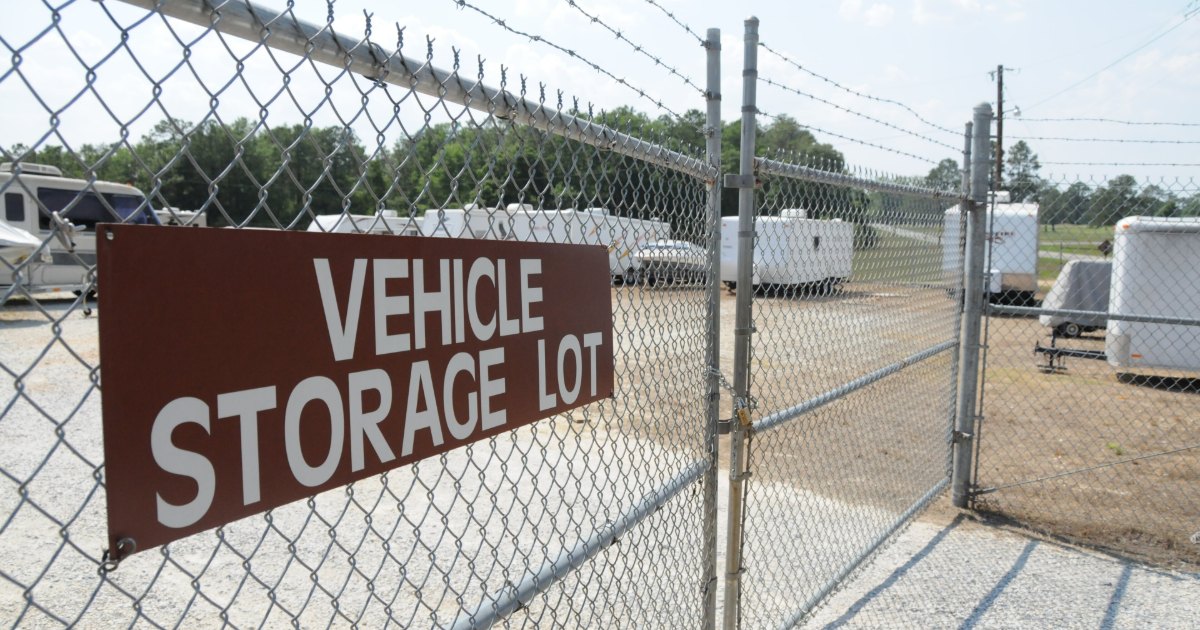
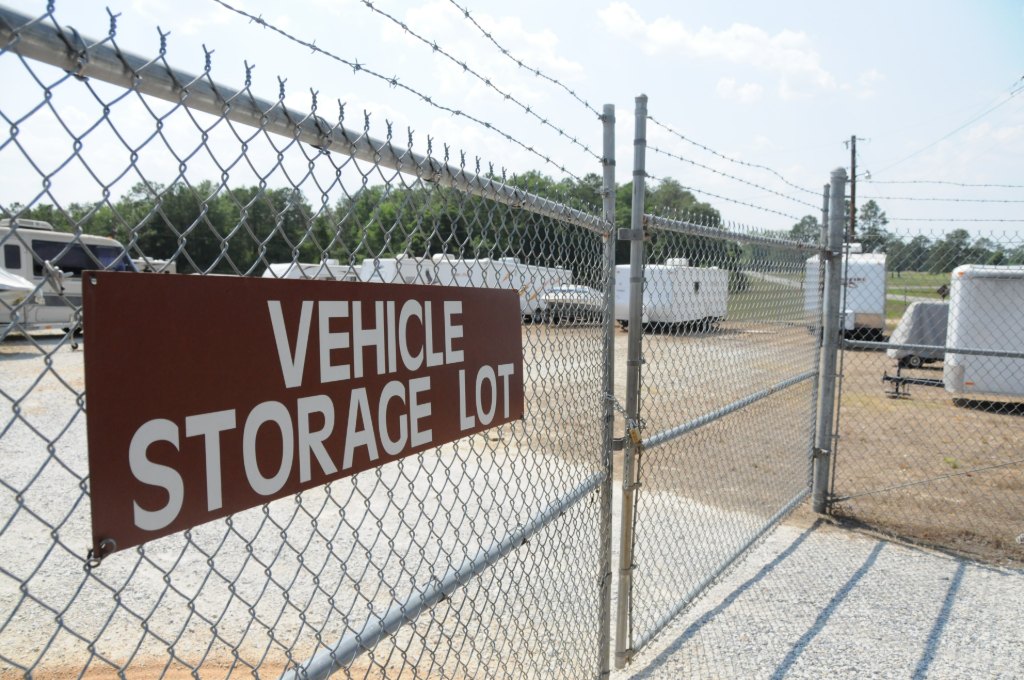
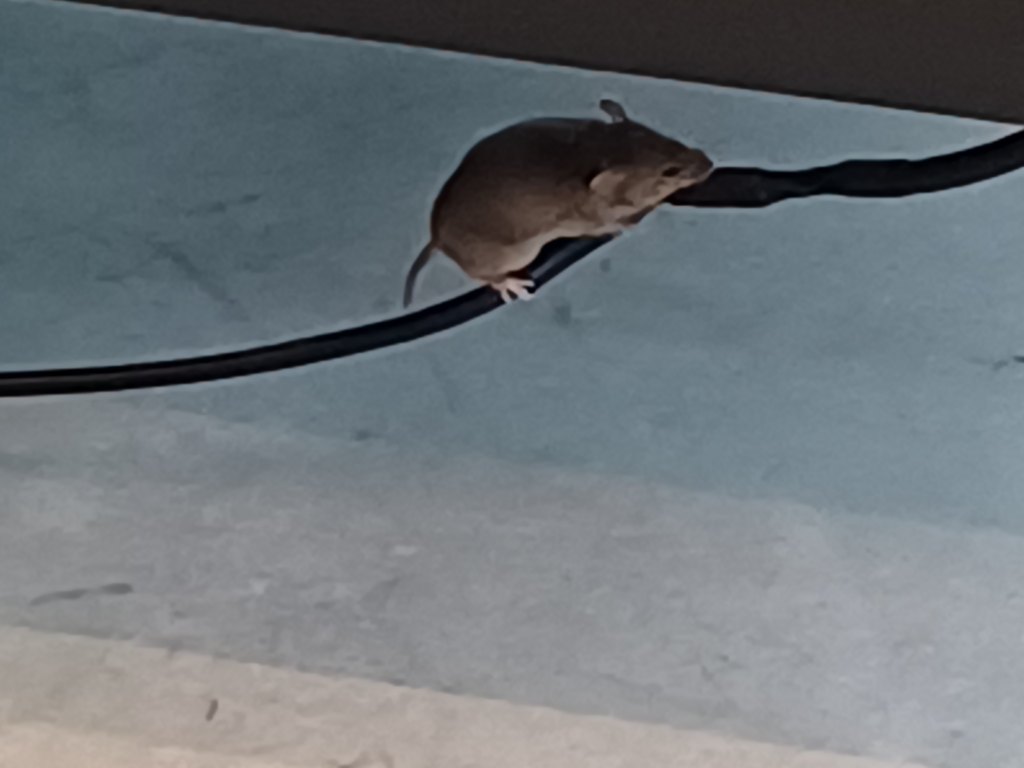
CDC says rodents may build their nests in cars, trucks, campers and other vehicles, especially if they are used infrequently, and Public Health – Seattle & King County says the same. A stored camper offers more than a car does: cupboards with food, cushions, mattresses, curtains, bedding and paper towels to shred, and quiet, dark spaces under the floor and behind panels. The Wyoming Department of Health lists campers alongside garages, old cars, cabins and barns as places mice get into.
Season matters too. House mice move indoors as nights get colder in autumn, according to UC IPM, which is exactly when most campers are parked for the winter. More on what mice do in cold weather is in do mice hibernate?
House mice or deer mice?
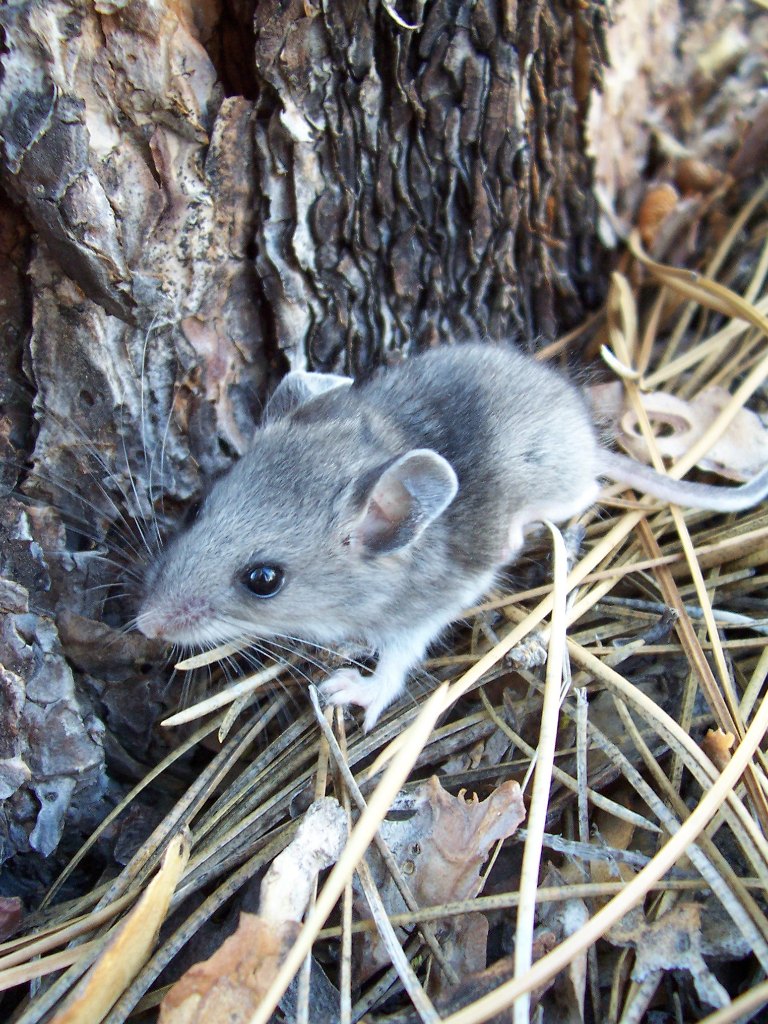
Campers are often stored on rural lots, farms or next to woods. That is deer mouse country. UC IPM says deer mice often enter vacated homes, cabins and other structures, where they build nests and store food, and that they damage upholstered furniture, mattresses, clothing and paper to build nests. Their droppings and nests look much like those of house mice. The difference that matters: deer mice are the main carrier of the hantavirus that causes hantavirus pulmonary syndrome (UC IPM). If you cannot tell which mouse you had, clean as if it were a deer mouse. How to tell them apart is in deer mouse vs house mouse.
Before you put the camper away
Take away food and nesting material
- All food out, including canned goods, sealed packages, spices, pet food and bird seed. Cardboard and thin plastic are no barrier to a mouse. CDC advises not leaving any kind of food in a vehicle.
- Clean the kitchen: crumbs in drawers, under the stove and fridge, and in the dinette. Wipe the cupboards.
- Bedding, towels, clothing and paper towels are nesting material. Taking them home, or storing them in sealed plastic or metal bins, means less to shred and less to wash if mice do get in. UC IPM lists mattresses, upholstery, clothing and paper among what deer mice damage for nests.
- Leave cupboards and drawers open if you will check the camper during storage. This is our suggestion, not a source’s: it makes droppings and nests easier to see at a glance.
Close the ways in
UC IPM says house mice can get through openings about ¼ inch across, squeeze under a gap ¼ inch high, and gnaw to enlarge a slightly bigger hole. King County lists how rodents get into vehicles: rust holes, wire chases (the openings where wiring runs), side vents, rocker panels and ducting. CDC adds cable conduit.
We found no official guide written for campers specifically, but the same rules point to the same places. On a camper, the openings to check are typically where water and drain pipes, electrical cables and propane lines pass through the floor, walls and underbelly, around the shore-power and other service hatches, around slide-out seals, and at furnace, water heater and refrigerator vents. Look from underneath and from inside the cabinets where those lines come through.
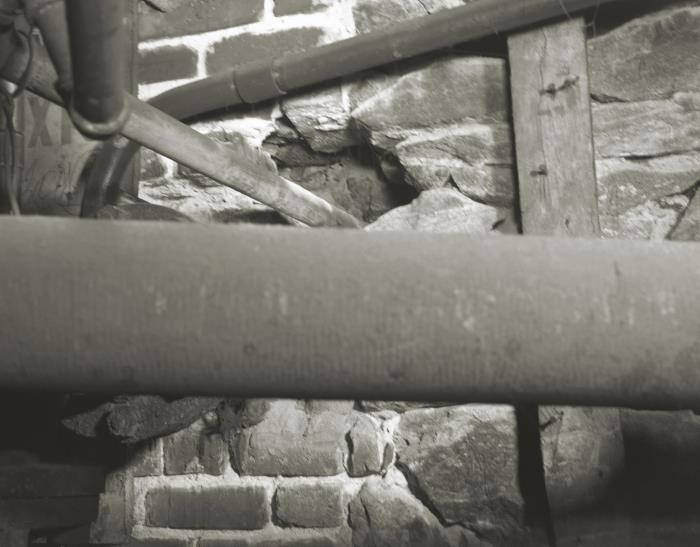
What to use: UC IPM says to seal openings around pipes, vents and utility cables with metal or concrete, and that plastic, rubber, vinyl, expanding foam and wood are ineffective because mice gnaw through them. It calls steel wool a good temporary plug that may rust over time. In practice that means metal mesh or steel or copper wool packed into the gap and held with sealant, and metal screen over vents, without blocking airflow the appliance needs; check the appliance manual before covering any combustion vent. More on materials is in how to seal mouse entry points.
Where you park
UC IPM advises keeping wood and brush piles away from buildings, because they are prime nesting areas for deer mice. The same logic applies to a camper: tall grass, brush and woodpiles right against it give mice cover up to the door. If you choose the spot, park on gravel or pavement away from them.
During storage: traps and checks
King County recommends regular inspections of vehicles inside and out, including ones that are stationary, and says snap traps and poison baits are effective in stopping rodent access into vehicles. CDC says the same about vehicles.
- Snap traps inside, along walls, in cupboards and under the dinette and bed, where droppings are most likely. UC IPM suggests traps no more than about 10 feet apart where mice are active, and pairs of traps 1 to 2 inches apart. See best mouse traps and best bait for mouse traps.
- Check them. A dead mouse left for months means smell, flies and more to clean. If you cannot check every few weeks, set fewer traps where you can see them quickly from the door.
- No multiple-catch live traps for deer mice. UC IPM does not recommend them, because emptying them raises the risk of hantavirus exposure.
- Poison, if at all, only in tamper-resistant bait stations and by the label. A mouse that eats bait can die inside a wall or under the floor where you cannot reach it. Details are in mouse poison around pets.
What does not work
- Mothballs. The National Pesticide Information Center says mothballs are insecticides meant for closed, airtight containers, not wildlife repellents, and that used in the open they can harm people and pets who breathe the vapors. In a closed camper that you will sleep in, that matters.
- Dryer sheets, Irish Spring soap and peppermint. We found no study showing that any of them keeps mice out of a vehicle, and dryer sheets and paper are nesting material. Irish Spring on its own is covered in does Irish Spring soap repel mice? The evidence on smells is in what smells do mice hate? and does peppermint oil repel mice?
- Ultrasonic devices. UC IPM says ultrasonic sound has very limited use against rodents because it is directional and does not penetrate behind objects, and a camper is full of objects. See do ultrasonic pest repellers work?
Signs mice got into the camper
- Droppings in drawers, cupboards, on counters, under the sink and along floors. See mouse droppings vs rat droppings.
- Nests of shredded fabric, paper, insulation or cushion foam, often in drawers, under the bed or dinette, or behind panels (mouse nest signs).
- Chewed packaging, upholstery, mattresses and wiring. UC IPM says house mice damage vehicles by gnawing electrical wires and gas lines. See rodent gnaw marks.
- A musty, ammonia-like smell when you open the door (mouse urine smell), or a smell through the vents. King County says infectious particles can blow onto passengers through a vehicle’s air vents.
Opening the camper in spring
- Air it out before you go in. CDC and UC IPM say to open the doors and windows of a closed cabin or building for 30 minutes before cleaning and to stay out while it airs; Wyoming’s health department gives the same advice for any space left closed for a long time and lists campers among the places mice get into. Open roof vents and hatches too. For a motorhome or tow vehicle engine, CDC’s vehicle guidance is to open the hood, doors and trunk for 20 minutes and check air intakes and filters before starting the engine.
- Look before you touch. Check cupboards, drawers, under the mattress and cushions, behind the fridge and in storage bays. Wear rubber or plastic gloves and a long-sleeved shirt (CDC).
- Do not sweep, vacuum or pressure-wash droppings or nests until they are soaked with disinfectant (CDC, King County).
- Soak, wait, wipe. Spray droppings, urine and nests with a household disinfectant or a fresh bleach solution of 1½ cups of bleach per gallon of water until very wet, wait 5 minutes or as the label says, then pick up with paper towels, bag it and wipe the area again with disinfectant (CDC).
- Soft things: wash bedding, curtains and clothing in hot water and dry them on high heat or in the sun. Shampoo upholstery and carpets with a disinfectant cleaner or a commercial-grade steam cleaner (CDC). Penn State’s extension veterinarian adds sleeping bags and pillows to the wash list and dishes and utensils to wash in hot, soapy water.
- Paper and cardboard with urine or droppings: throw it out. Books and papers you want to keep can sit in the sun for several hours or in a rodent-free place for at least three weeks (CDC).
- Heavy infestation, nests in the ducting or chewed wiring: CDC calls for extra protective equipment, including a respirator with a HEPA filter, for heavy infestations. For ducts, wiring, propane lines or appliances, use a qualified RV technician and tell them about the hantavirus risk, as King County advises for vehicles.
The full cleanup method, step by step, is in how to clean mouse droppings, and the engine side of a motorhome is covered in mice in your car.
If you feel ill afterward. Penn State notes that hantavirus symptoms appear 1 to 5 weeks after exposure and include fever, fatigue and muscle aches. See a doctor and mention the mice. The Wyoming Department of Health says about 38 percent of people who develop respiratory symptoms die. More on the risks is in are mouse droppings dangerous?
More questions about mice in campers
Can I just leave the camper and deal with mice in spring?
You can, but a winter of nesting means more damage to cushions, mattresses and wiring, and a bigger, riskier cleanup. Health departments recommend checking stored vehicles regularly.
Will mice leave a camper once it gets warm?
No source we checked says so. UC IPM says house mice can breed year-round where food and shelter are stable.
Can mice get in through the slide-outs?
No official source we found addresses slide-outs. Mice need only about a ¼-inch gap (UC IPM), so check slide-out seals and the floor beneath them along with every other gap.
How do I know the mice are gone?
No new droppings after a thorough cleanup, no new chewing, and empty traps over a week or more. See how to know if mice are gone.
In short
Mice move into campers that sit unused, especially in autumn and near fields. Before storage, take out all food and as much bedding and paper as you can, and close gaps around pipes, wires and gas lines with metal, not foam. Set snap traps and check them. Skip mothballs, dryer sheets and sound devices. In spring, air the camper out for 30 minutes, wear gloves, and soak droppings with disinfectant before you wipe them up; never sweep or vacuum them.
Sources and verification
- CDC — How to Clean Up After Rodents (April 2024)Rodents nesting in cars, trucks and campers used infrequently; airing vehicles 20 minutes and checking air intakes; entry through ducting, rust and cable conduit; snap traps and baits; no food left in vehicles; airing cabins and outbuildings 30 minutes; no sweeping or vacuuming; bleach solution and 5-minute soak; laundering bedding and clothing; shampooing or steam-cleaning upholstery and carpets; books and papers; insulation; heavy infestations and respirators.
- Public Health – Seattle & King County — Cleaning rodent-infested vehiclesRodents nesting in cars, trucks and campers that are not used often; where nests are found; entry through rust holes, wire chases, side vents, rocker panels and ducting; hantavirus particles through air vents; no pressure washing; mechanics told about hantavirus; regular inspections; snap traps and baits.
- UC IPM — Pest Notes: House Mouse (July 2025)Openings of ¼ inch and 3/8 inch; gnawing of wires and gas lines in vehicles; sealing with metal or concrete; foam, rubber, plastic and wood ineffective; steel wool as a temporary plug; trap placement and spacing; ultrasonic devices of very limited use; moving indoors in autumn.
- UC IPM — Pest Notes: Deer Mouse (June 2012)Deer mice entering vacated homes and cabins; damage to upholstery, mattresses, clothing and paper; signs like those of house mice; hantavirus and Sin Nombre virus; airing 30 minutes; openings over ¼ inch; woodpiles and brush; multiple-catch traps not recommended.
- Wyoming Department of Health — Beware of Hantavirus Danger During Spring Cleaning and Beyond (April 2024) and Prevent Hantavirus During Spring Cleaning (April 2025)Mice in garages, campers, old cars, cabins and barns; airing 30 minutes; gloves and N95; no sweeping or vacuuming; about 38 percent of people with respiratory symptoms die.
- Penn State — Precautions against hantavirus urged when opening, cleaning hunting camps (October 2012)Care with vacuum cleaners; laundering bedding, pillows and sleeping bags; washing dishes; symptoms 1 to 5 weeks after exposure.
- National Pesticide Information Center — MothballsInsecticides for closed, airtight containers; not wildlife repellents; harm from vapors in the open.