
Evidence and signs
Do Mice Hibernate? What Mice Do in Winter, Where They Go and What It Means for Your House
House mice do not sleep through the winter. They stay active, look for warm shelter, and keep breeding wherever food and shelter hold out, which is why winter is when many people first find them indoors. Here is what university and CDC guides say about mice in cold weather, which small rodents really do hibernate, and what to do about it this season.
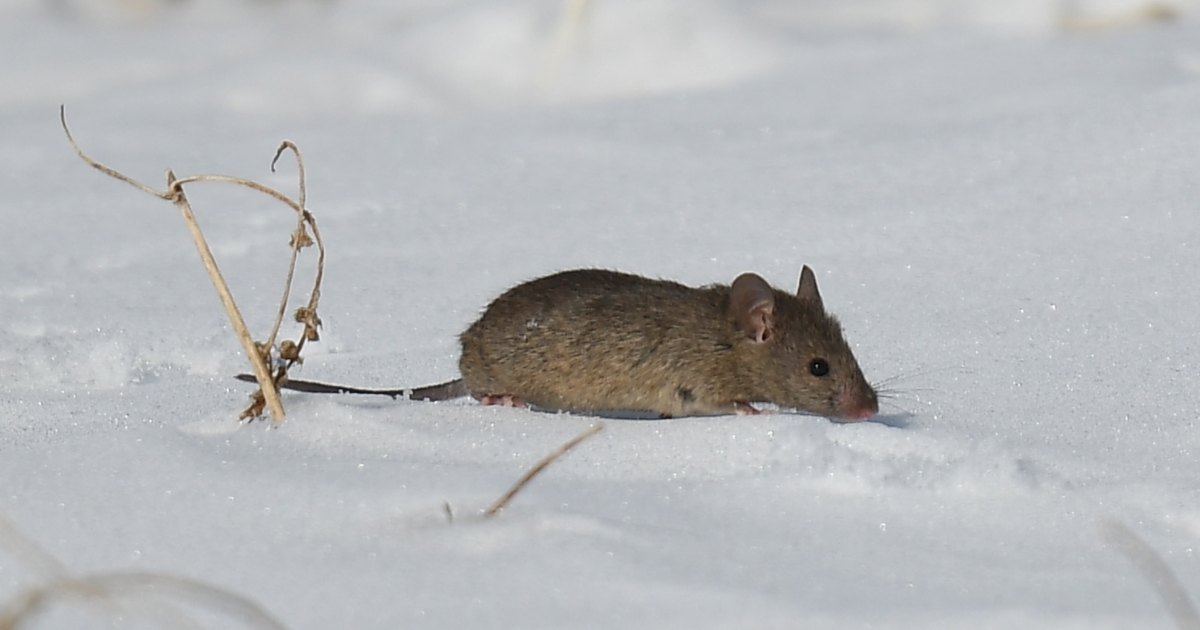
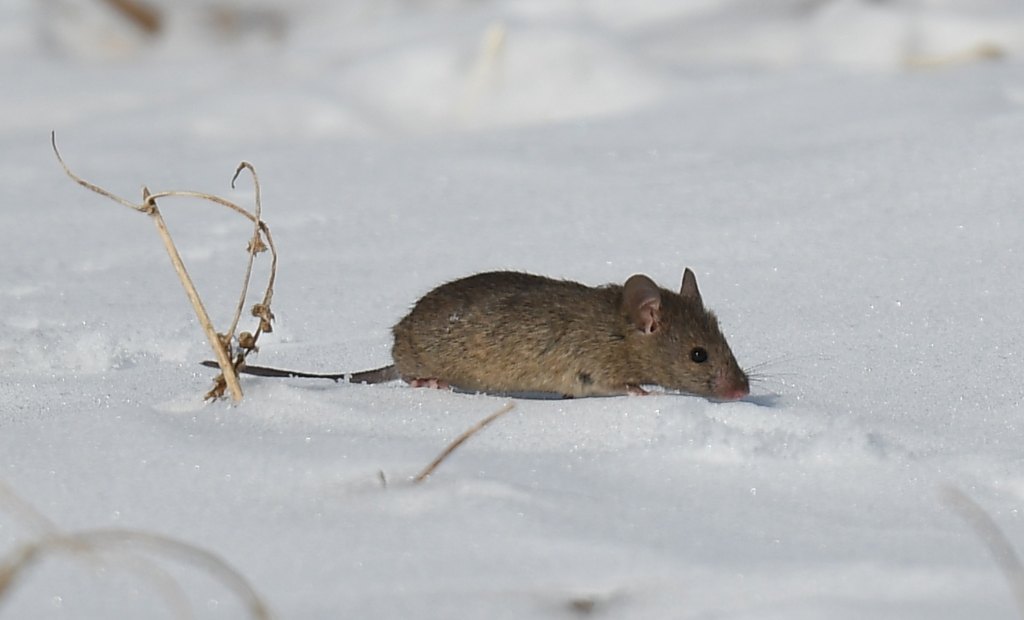
Short answer: no. ICWDM says house mice are active year-round, and UC IPM says they can reproduce year-round when food and shelter are stable. Deer mice and white-footed mice do not hibernate either; in especially severe weather they may go torpid for a few days (table). Of the mice in the sources we checked, only jumping mice truly hibernate, and they spend the winter in a nest in the ground outdoors, not in houses. So a mouse in your house in January is awake, eating every night and possibly raising young. The fix is the same as in any season: trap the mice inside and seal the openings.
Do mice hibernate? Which small rodents do and which don’t
“Mouse” covers several different animals, and they handle winter differently. This is what the sources say about the ones people usually mean.
| Animal | Hibernates? | What it does in winter | Source |
|---|---|---|---|
| House mouse | No | “Active year-round” and most likely to move into buildings as temperatures cool in the fall. Indoors, with stable food and shelter, it can breed all year. | ICWDM; UC IPM |
| Deer mouse and white-footed mouse | No | May become torpid for a few days when winter weather is severe. Family groups nest together through the winter, often near stored food. Enter buildings from fall through spring. | ICWDM; UC IPM; Cornell |
| Meadow jumping mouse | Yes | Gains weight, then hibernates in a nest in the ground from about late September or October until late April or May. | Illinois DNR; Tennessee Wildlife Resources Agency |
| Vole (meadow mouse) | No | Active day and night, year-round; burrows in and through the snow. Usually stays outdoors. | UC IPM |
| Norway rat | No source describes it | Breeding often slows or stops in winter, depending on habitat. | ICWDM |
Torpor is not the same as hibernation. UC IPM describes deer mice becoming dormant only “when the weather is especially severe,” and ICWDM puts it at “a few days.” Neither source describes house mice doing this at all. If you are not sure which mouse you have, deer mouse vs house mouse shows the differences, and vole vs mouse covers the short-tailed rodent in the lawn.
Where mice go when it gets cold
Outdoors, house mice live in fields and farmland as well as around buildings, and ICWDM notes they may burrow into the ground when other shelter is not available. Many do not stay outside. UC IPM says that where house mice live outdoors, they “frequently enter homes in autumn when nighttime temperatures become colder.” Cornell says deer mice and white-footed mice spend most of their time outdoors but enter structures from fall through spring.
Inside, they go for warm, sheltered spots near food. ICWDM says mice prefer to nest next to sources of heat, such as compressors, pilot lights and hot water heaters. Wall voids, the space behind and under appliances, insulation in the attic and boxes in a basement or garage all qualify. How they get in, and how to find the opening they are using, is covered in how do mice get in your house; what makes a house attractive once they are close is in what attracts mice.
What mice do inside your house in winter
They keep breeding. ICWDM says mice may breed year-round but outdoors mostly breed in spring and fall. Indoors that seasonal limit can disappear: UC IPM says that with plentiful and stable resources house mice can reproduce year-round, “resulting in high population densities that last for months to years,” with 5 to 10 litters of about 5 or 6 pups a year. Deer mice are different: UC IPM says they don’t usually breed in winter, although they can when food is abundant.
They eat every night. UC IPM describes house mice eating up to 20% of their body weight a day in about 200 small meals each night; ICWDM gives about 1/10 of body weight. Both figures describe an animal that is feeding constantly, not one living on fat reserves.
They store food and build nests. Deer and white-footed mice have a much greater tendency than house mice to cache seeds and nuts, especially in fall (ICWDM, UC IPM). Indoors, ICWDM says they build nests and store food and can damage upholstered furniture, mattresses, clothing and paper. House mice build nests of finely shredded paper or other fibrous material in sheltered spots (UC IPM). Mouse nest signs shows what to look for.
They stay close to home. UC IPM says house mice seldom travel more than 30 feet from their nest and food. A mouse heard in the kitchen wall in December is probably living nearby, not passing through.
Signs of mice in winter
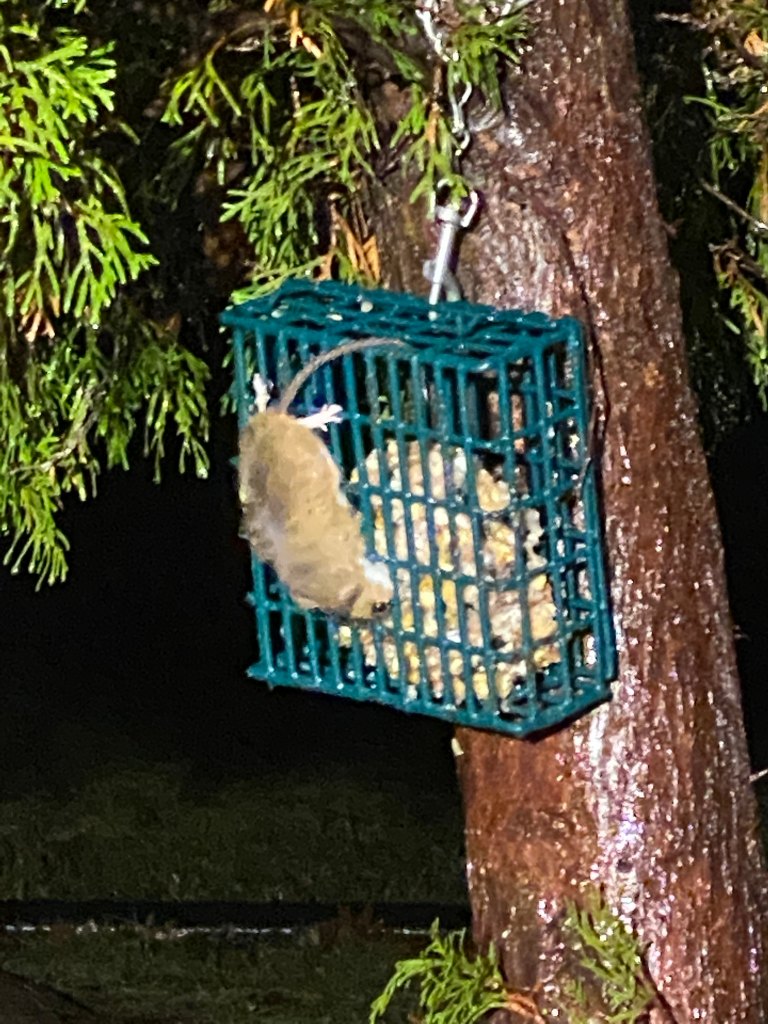
The signs are the same as in any season: droppings, gnaw marks, grease marks along walls, nests, a musky smell and noises at night. Winter just makes some of them easier to notice, because the mice are indoors and the house is quiet.
- Sounds at night. UC IPM says house mice are active mostly at night. Scratching in walls or ceilings after dark is a common first sign; scratching in walls at night helps tell mice from rats, squirrels and bats.
- Droppings near warm spots. Check near the heat sources ICWDM names, such as pilot lights, hot water heaters and appliance compressors, and in cabinets. Mouse droppings vs rat droppings helps identify them; clean them up wet, as in how to clean mouse droppings.
- Chewed stored items. ICWDM lists items stored in attics, basements and garages among the things mice damage, and pet food among what they eat. Check stored boxes, clothing and bags of birdseed or pet food (rodent gnaw marks).
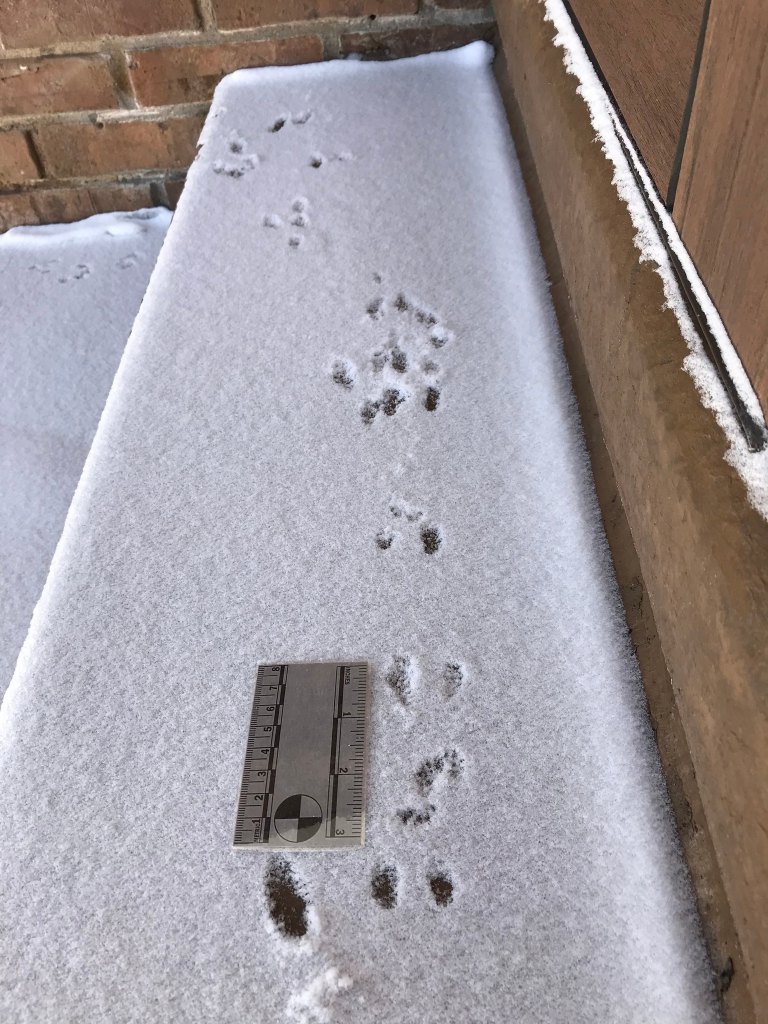
- Tracks in fresh snow. This one is our observation, not a source rule: a light snowfall can show where small rodents run along a foundation, walkway or steps, as in the photo below. Tracks alone do not tell you the species or where they get in.
If you are trying to judge how many mice there are, see one mouse or an infestation.
Cabins, sheds, RVs and cars closed for the winter
Buildings and vehicles that stand empty all winter deserve extra care in spring. UC IPM says deer mice often enter vacated homes, cabins and other structures, where they build nests and store food, and ICWDM says the same about cabins. CDC says the most common hantavirus that causes hantavirus pulmonary syndrome in the United States is spread by the deer mouse, which is why the cleanup steps matter (deer mouse vs house mouse, are mouse droppings dangerous?).
- Cabins, sheds and barns. CDC says to open all doors and windows for 30 minutes before cleaning. UC IPM says to air out an infested house, cabin or outbuilding for at least 30 minutes before occupying it and to stay out while it airs.
- Cars, trucks and campers. CDC notes rodents nest in vehicles “especially if such vehicles are used infrequently.” Before starting one that has been idle for a long time, open the hood, doors and trunk and let it air out for 20 minutes, then inspect it. Details are in mice in your car.
- Heating ducts. If there is evidence rodents got into the heating and cooling ducts, CDC says to contact a professional rodent exterminating service.
- Cleaning up. CDC says not to vacuum or sweep rodent urine, droppings or nesting materials; wear rubber or plastic gloves and use a household disinfectant or a fresh bleach solution, as described in how to clean mouse droppings.
What to do about mice in winter
Do not wait for spring. No source we checked says mice leave a house when the weather warms; UC IPM’s point is the opposite, that with stable resources a population can last for months to years.
- Trap the mice already inside. UC IPM calls trapping the preferred method in homes and garages where only a few mice are present, with traps no more than about 10 feet apart where mice are active. Best mouse traps covers types and placement. In a cold garage, UC IPM notes extreme temperatures can affect the tackiness of glue boards, and some electronic traps are not made for freezing conditions (mice in garage).
- Seal the openings. Winter is not too late. UC IPM says to seal cracks and openings around pipes, vents and cables with metal or concrete; foam, rubber, vinyl and wood are ineffective. See how to seal mouse entry points, and do not close a hole while mice may still be living behind it (mice in walls).
- Take away winter food. CDC says to keep food, grains and animal feed in thick plastic, metal or glass containers with tight lids, put pet food away after use, and keep bird feeders away from the house.
- Check that they are gone. How to know if mice are gone explains what counts as proof. The full plan, step by step, is in how to get rid of mice.
Questions people ask
Do mice hibernate in walls?
No. House mice may nest inside walls in winter, but they are not hibernating there; they come out to feed every night. ICWDM says they are active year-round. See mice in walls.
Do house mice die in the winter?
We did not find an official source that says how many outdoor house mice survive a winter or at what temperature cold kills them. What the sources do say is that house mice move into buildings as it gets colder, and that indoors, with food and shelter, they keep breeding.
Will mice leave my house in spring?
Don’t count on it. No source we checked says they leave on their own, and UC IPM says house mouse populations with stable resources can last for months to years.
Are mice more active in winter?
The sources do not say house mice are more active in winter, only that they are active year-round and more likely to come indoors as it cools (ICWDM, UC IPM). They are easier to notice in winter because more of them are inside.
Do rats hibernate?
We found no source that describes rats hibernating. ICWDM says Norway rat breeding peaks in spring and fall and often stops in winter, depending on habitat. For rats in the house, see how to get rid of rats.
The bottom line
House mice do not hibernate. They stay active all winter, move into warm, sheltered spots near food, and indoors can keep breeding as long as food and shelter last. Deer mice and white-footed mice may go torpid for a few days in severe cold, and of the mice in our sources only jumping mice truly hibernate, outdoors in the ground. If you have mice this winter, trap the ones inside, seal the openings with metal or concrete, store food away, and air out closed-up cabins and vehicles before you clean them.
Sources and verification
- UC IPM — Pest Notes: House Mouse (July 2025)Year-round reproduction with plentiful and stable resources; populations lasting months to years; 5 to 10 litters of about 5 or 6 pups; autumn entry as nights get colder; mostly nocturnal; up to 20% of body weight a day in about 200 small meals; nests of shredded fibrous material; 30-foot range and 10-foot trap spacing; trapping as the preferred method where few mice are present; glue boards and extreme temperatures; sealing with metal or concrete and ineffective materials.
- ICWDM — House Mouse BiologyActive year-round and most likely to invade structures as temperatures cool in the fall; breeding year-round but outdoors mostly in spring and fall; burrowing when other shelter is lacking; nesting next to compressors, pilot lights and hot water heaters; homes, farms and open fields; about 1/10 of body weight a day.
- ICWDM — Deer and White-footed Mouse Biology and Damage IdentificationDo not hibernate but may become torpid for a few days in severe winter weather; family groups nest together through the winter; food stored near nests in fall; entering homes and cabins, building nests, storing food and damaging furniture, mattresses, clothing and paper; greater tendency to cache food than house mice.
- UC IPM — Pest Notes: Deer Mouse (June 2012)Don’t hibernate but may become dormant in especially severe weather; nest in family groups through the winter; food caching; don’t usually breed in winter unless food is abundant; vacated homes and cabins; airing out an infested building for at least 30 minutes before occupying it.
- Cornell CALS (NYS IPM) — Mouse and Rat Biology and BehaviorWhite-footed and deer mice spend most of their time outdoors but enter structures from fall through spring.
- CDC — How to Clean Up After Rodents (April 2024)Not vacuuming or sweeping droppings and nests; gloves; household disinfectant or 1 part bleach to 9 parts water; opening cabins, sheds and barns for 30 minutes before cleaning; rodents nesting in vehicles used infrequently; airing a vehicle for 20 minutes and airing out one that has been idle before starting it; professional help for rodents in heating and cooling ducts.
- CDC — How to Seal Up to Prevent RodentsFood, grains and animal feed in thick plastic, metal or glass containers with tight lids; putting pet food away; bird feeders away from the house.
- CDC — About Hantavirus (May 2024)The most common hantavirus that causes HPS in the United States is spread by the deer mouse.
- ICWDM — House Mouse Damage IdentificationDamage to items stored in attics, basements and garages; feeding on stored food and pet food.
- UC IPM — Pest Notes: Voles (April 2023)Active day and night, year-round; burrowing in and through snow.
- ICWDM — Norway Rat BiologyBreeding peaks in spring and fall and often stops in winter, depending on habitat.
- Illinois DNR — Meadow Jumping Mouse and Tennessee Wildlife Resources Agency — Meadow Jumping MouseHibernation from late September or October to late April or May; weight gain before hibernation and a nest in a hole in a dirt mound; jumping mice as the only mice that hibernate in Tennessee.