
How mice and rats live
What Attracts Rats? Food, Water and Shelter Around Your Home, and What Draws Them to a Trap
Rats stay where three things are close together: food, water and a safe place to nest. Around a house that usually means pet food, birdseed, fallen fruit, compost and garbage, a dripping tap or a pet bowl, and dense ivy, woodpiles or clutter to hide in. This guide goes through what university and federal pest guides say attracts rats, how Norway rats and roof rats differ, and what draws a rat to a trap.
Short answer
- Food is the main draw. UC IPM, CDC and NC State name pet food, birdseed, livestock and poultry feed, fallen fruit and nuts, vegetable gardens, compost and garbage. UC IPM adds that rats eat dog and cat feces.
- Water matters too. ICWDM says a rat needs 1/2 to 1 ounce of water a day when it eats dry food. Pet bowls, bird baths, leaky pipes and standing water all count.
- Shelter keeps them there. UC IPM says rats are highly attracted to dense vegetation close to the ground. Ivy, woodpiles, debris and clutter give them cover and places to burrow or nest.
- The two rats want different things. Norway rats prefer grain, meat, fish and nuts and nest low; roof rats prefer fruit, nuts, berries and snails and nest high.
- To a trap: nuts, dried fruit, bacon, a piece of dry pet food or peanut butter (UC IPM; CDC). Leave the traps unset until the bait has been taken, because rats avoid anything new.
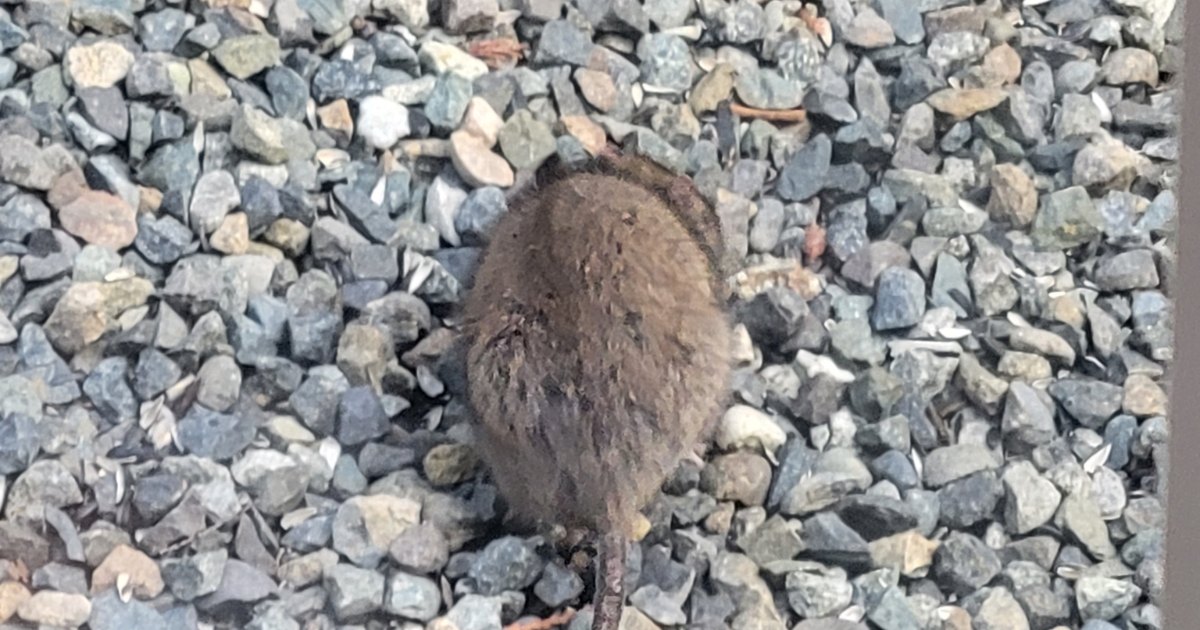
Food: what draws rats to a house and yard
Rats are not picky, and a house gives them a lot to choose from. What the sources name, and where it comes from:
| Attractant | What the sources say |
|---|---|
| Pet food | UC IPM: feed pets only what they will eat at one feeding and store pet food in rodent-proof containers; where dogs are fed outdoors, a ready supply of dog food can lead to a rat problem. CDC: do not leave food or water bowls out overnight. |
| Birdseed and bird feeders | NPIC lists spilled birdseed and bird baths among the things that attract rodents. CDC says to keep bird feeders away from the house. EPA suggests stopping bird feeding while you deal with an infestation. |
| Livestock and poultry feed, grain, seed | NC State names grain and meal for livestock and poultry, birdseed and grass seed, and warns that gravity and bucket feeders become food sources. CDC: keep grain and feed in thick plastic or metal containers with tight lids. |
| Fallen fruit and nuts | UC IPM says to remove fallen fruit and nuts, and that roof rats eat avocados and citrus, often while the fruit is still on the tree. |
| Vegetable gardens | UC IPM: rats eat ripening vegetables, fruits and flowers in gardens. |
| Compost | UC IPM: rats burrow under or around compost piles, especially when meat, fish, eggs or eggshells go in. CDC says to keep compost bins at least 100 feet from the house. |
| Garbage | NYC Health recommends hard plastic rat-resistant containers with tight-fitting lids. ICWDM notes that a dumpster with an unplugged drain hole becomes a feeding station. |
| Pet droppings | UC IPM: clean up feces from dogs, cats and other animals, because rats will eat feces. |
| Grills | CDC lists keeping grills and outdoor cooking areas clean. |
A rat does not need much. ICWDM puts a Norway rat’s need at about 110 calories a day, and Purdue Extension says rats tend to get their daily food at one or two places. One reliable source, such as a bowl of dog food left on the porch every night, can be enough. What rats eat in detail, including the question of cheese, is in what do rats eat?
Water
ICWDM says a rat needs 1/2 to 1 ounce of water a day when it is eating dry food, and less when its food is moist. Purdue gives the same figure, and ICWDM says roof rats usually need water daily. NC State lists the sources around a house: pet bowls, water troughs and containers for livestock and poultry, bird baths, leaky pipes and standing water. Fixing a dripping outdoor tap and emptying containers that collect rain takes away one of the three things rats look for.
Shelter: where rats hide and nest
Food brings rats in; cover keeps them there. UC IPM says both pest rats are highly attracted to vegetation that is dense or close to the ground, and that climbing hedges such as Algerian or English ivy encourage roof rats. Norway rats, UC IPM says, burrow along building foundations and beneath rubbish or woodpiles. EPA adds leaf piles and deep mulch, and NYC Health puts it simply: garbage and clutter give rats a place to hide.
CDC’s advice for the yard is to keep woodpiles 100 feet or more from the house and at least 1 foot off the ground, and to keep grass and shrubs within 100 feet of the home trimmed. Indoors, CDC says rodents are drawn to food and water and to places that are convenient for building nests. Where rats nest, and what a nest looks like, is in rat nest. Once rats are using the yard, what to do about them is in rats in the yard.
Norway rats and roof rats are attracted to different things
| Norway rat | Roof rat | |
|---|---|---|
| Preferred food | Cereal grains, meat, fish, nuts and some fruit (UC IPM); also insects such as cockroaches (ICWDM) | Fruit, tree nuts, berries, slugs, snails, young birds and bird eggs (UC IPM) |
| Where it nests | Burrows in the ground or nests at ground level; lower floors of buildings (ICWDM) | Off the ground: trees, including palms, attics, wall and ceiling voids, cabinets (ICWDM; UC IPM) |
| How far it travels for food | ICWDM: a home range about 100 to 150 feet across, seldom more than 400 feet from the burrow. UC IPM: 100 to 500 feet from the nest. | 100 to 300 feet (ICWDM); up to 300 feet or more (UC IPM) |
| What draws it near a house | Feed, garbage, compost, pet food, woodpiles and soil along the foundation to burrow in | Fruit and nut trees, ivy and dense hedges, bird feeders, wires and branches that lead to the roof |
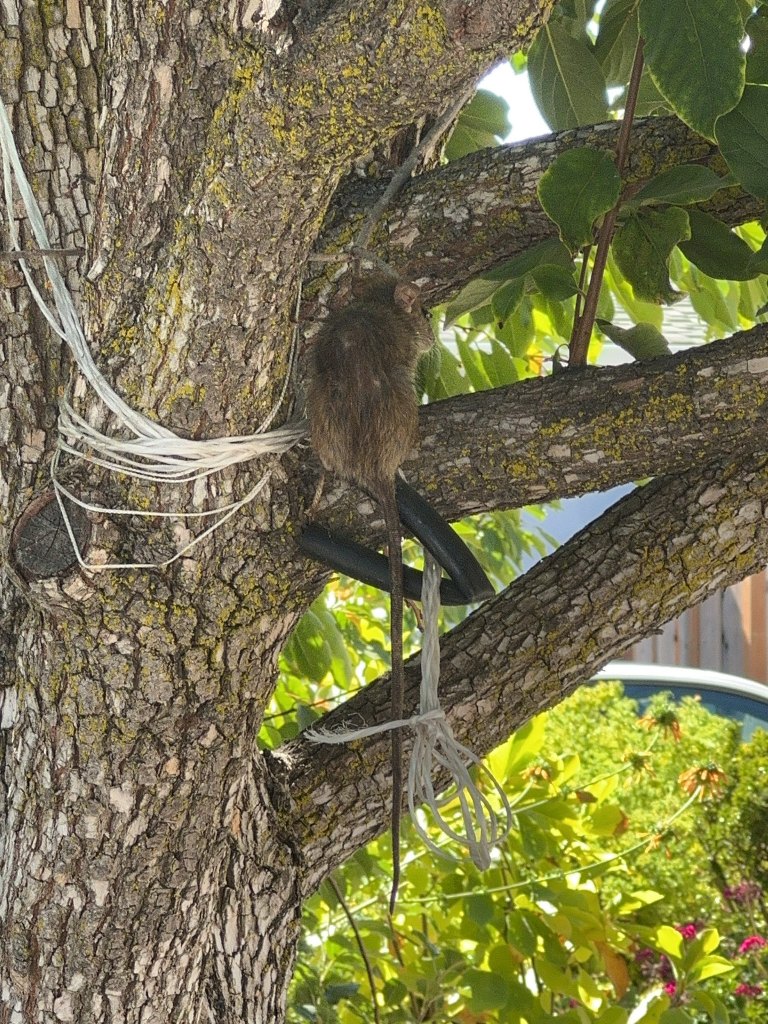
The two sources give different distances for Norway rats, so we give both. Either way, rats feeding in your yard may be nesting next door. How to tell the two species apart is in roof rat vs Norway rat.
What brings rats into the house
The same three things, plus a way in. Once food and cover have drawn rats to the yard, a gap in the wall, a garage door that does not seal or a branch over the roof lets them inside. NC State’s school IPM program says winter is when rodents are most active in entering buildings, as they look for food and shelter from the cold, and Purdue describes rodents using insulated ceilings for shelter from October to April. UC IPM says rats are active all year, so the season changes where they are, not whether they are around. The ways in, and how to find the one your rats use, are in how do rats get in your house?; the signs that they are already inside are in signs of rats in the house.
What attracts rats to a trap
A trap works when the bait is something the rat already wants and the trap no longer looks new. What the sources recommend:
- Bait. UC IPM lists nuts, dried fruit, bacon or a piece of dry pet food, and peanut butter, in a pea-sized amount. CDC says chunky peanut butter or mutton fat works best. ICWDM suggests hot dog, bacon, pepperoni or nutmeat tied securely to the trigger. Food the rats are already eating around your house is a good place to start.
- Let them get used to it. UC IPM says rats quickly detect and avoid new objects and new foods, and often avoid traps and baits for the first several days, maybe weeks. It advises leaving traps baited but unset until the bait has been taken several times. ICWDM says this caution is stronger in roof rats than in Norway rats.
- Put the trap where rats run. CDC says to set traps against the wall with the baited end toward it, because rodents prefer to run next to walls. UC IPM spaces traps about 10 to 20 feet apart and says a heavily infested home may need a dozen or more. For roof rats, set some traps off the ground, on ledges, shelves, fences or branches.
Which traps to use and how to set them is in best rat traps.
What does not attract or repel rats
- Smells as repellents. NC State says there is some evidence that certain odors can repel rodents, but repellents are not a reliable way to manage or prevent rats; volatile oils fade quickly and can make baits and traps work less well. UC IPM says no repellent has solved a rat problem for more than a very short time. See does peppermint oil repel mice?
- Ultrasonic devices. UC IPM says rats quickly get used to repeated sounds, and ICWDM says ultrasound will not drive out rats that are established. More in do ultrasonic pest repellers work?
- A cat or dog. Purdue says cats and dogs will not provide effective control of rats.
- A clean house alone. ICWDM says sanitation will not eliminate rats in every situation, but it may keep them from flourishing. Removing food, water and shelter makes trapping and sealing work better; it does not replace them.
A quick check around your house
- Pet food bowls brought in at night, pet food and birdseed in metal or thick plastic containers with tight lids (CDC; UC IPM).
- Bird feeders away from the house, spilled seed cleaned up, or feeding paused while you deal with rats (CDC; EPA).
- Fallen fruit and nuts picked up; compost bins away from the house and without meat, fish or eggs (UC IPM; CDC).
- Garbage in hard containers with tight lids (NYC Health); pet droppings picked up (UC IPM).
- Leaky taps fixed, standing water emptied (NC State).
- Ivy and dense ground cover cut back, woodpiles raised and moved away from the walls, clutter cleared (UC IPM; CDC).
The full plan, from removing food to trapping and sealing, is in how to get rid of rats. For mice, see what attracts mice?
Questions people ask
Do bird feeders attract rats?
Yes. NPIC lists spilled birdseed among the things that attract rodents, and CDC says to keep bird feeders away from the house. EPA suggests stopping bird feeding while you control an infestation, or using foods that leave less residue.
Does dog poop attract rats?
UC IPM says to clean up feces from dogs, cats and other animals because rats will eat them. Dog food left outside is a bigger draw; UC IPM says a ready supply of it can cause a rat problem.
Are rats attracted to cheese?
None of the university or federal guides we checked recommends cheese. Their bait lists are nuts, dried fruit, bacon, dry pet food and peanut butter.
Why won’t rats go near my trap?
Most likely because it is new. UC IPM says rats avoid new objects and foods, sometimes for weeks. Leave the trap baited but unset until the bait has been taken several times, and put it against a wall where the rats travel.
Do lights or noise keep rats away?
We found no agency saying that lights deter rats. UC IPM and ICWDM both say rats get used to repeated sounds, including ultrasound.
In short
Rats are attracted to food, water and shelter close together: pet food, birdseed, feed, fallen fruit, compost and garbage; pet bowls, bird baths and leaks; ivy, woodpiles and clutter. Norway rats want grain and meat and nest low, roof rats want fruit and nuts and nest high. Take the food and cover away, and bait traps with nuts, dried fruit, bacon or peanut butter, unset at first so the rats lose their caution.
Sources and verification
- UC IPM — Pest Notes: RatsPet food, fallen fruit and nuts, gardens, compost and feces as food for rats; dense vegetation and ivy; Norway rat and roof rat food preferences and nest sites; foraging distances; rats active all year; rats avoid new objects and foods; bait list and pea-sized amount; leaving traps unset; trap spacing and numbers; traps off the ground for roof rats; repellents and ultrasonic devices.
- ICWDM — Norway Rat BiologyAbout 110 calories and 1/2 to 1 ounce of water a day; nests in burrows and on lower floors; home range and distance from the burrow.
- ICWDM — Roof Rat BiologyRoof rats nest off the ground and usually need water daily; travel 100 to 300 feet for food; stronger avoidance of new objects than Norway rats.
- ICWDM — Norway Rat Damage Prevention and Control MethodsDumpsters with unplugged drain holes; baits tied to the trigger; ultrasound does not evict established rats; sanitation alone does not eliminate rats.
- CDC — How to Seal Up to Prevent Rodents and How to Trap Up to Remove RodentsPet bowls, bird feeders, grain and feed containers, compost 100 feet away, woodpiles, grills; chunky peanut butter or mutton fat; traps against the wall.
- NC State Extension — Surveillance and Management of Common Structure-Invading RatsPet food, livestock and poultry feed, birdseed and grass seed; feeders; water sources; repellents are not reliable.
- NC State School IPM — Rodent Proofing for WinterWinter as the main time rodents enter buildings.
- Purdue Extension — Controlling Rodents in Commercial Poultry Facilities (ADM-3-W)Water needs; daily food from one or two places; insulated ceilings from October to April; cats and dogs are not effective control.
- NPIC — Rodents, EPA — Identify and Prevent Rodent Infestations and NYC Health — RatsSpilled birdseed, garbage, leaks and bird baths; pausing bird feeding; leaf piles and deep mulch; rat-resistant garbage containers; clutter as cover.