
How mice and rats live
Do Rats Hibernate? What Rats Do in Winter and What It Means for Your House
If rats were busy in your yard in the fall, winter will not put them to sleep. Rats stay active all year; what changes in the cold is where they nest and how often they breed. This guide covers what university and wildlife-damage guides say rats do in winter, which rat you are likely dealing with where winters are cold, and why winter is a good time to deal with them.
Short answer
- No, rats do not hibernate. UC IPM says rats are active throughout the year, and none of the university or federal guides we checked describes rats hibernating.
- They look for warmth. ICWDM says Norway rats in northern climates prefer to place their nests near sources of heat.
- Breeding slows, feeding doesn’t. ICWDM says Norway rat breeding peaks in spring and fall and often stops in winter in harsh climates. The rats still need food and water every day.
- Where winters are cold, it is usually the Norway rat. ICWDM says the roof rat is more at home in warm climates; the Norway rat lives in all 48 contiguous states (UC IPM).
- Act now, not in spring. UC IPM says control takes less time and fewer traps when numbers are low, and fall litters are already there.
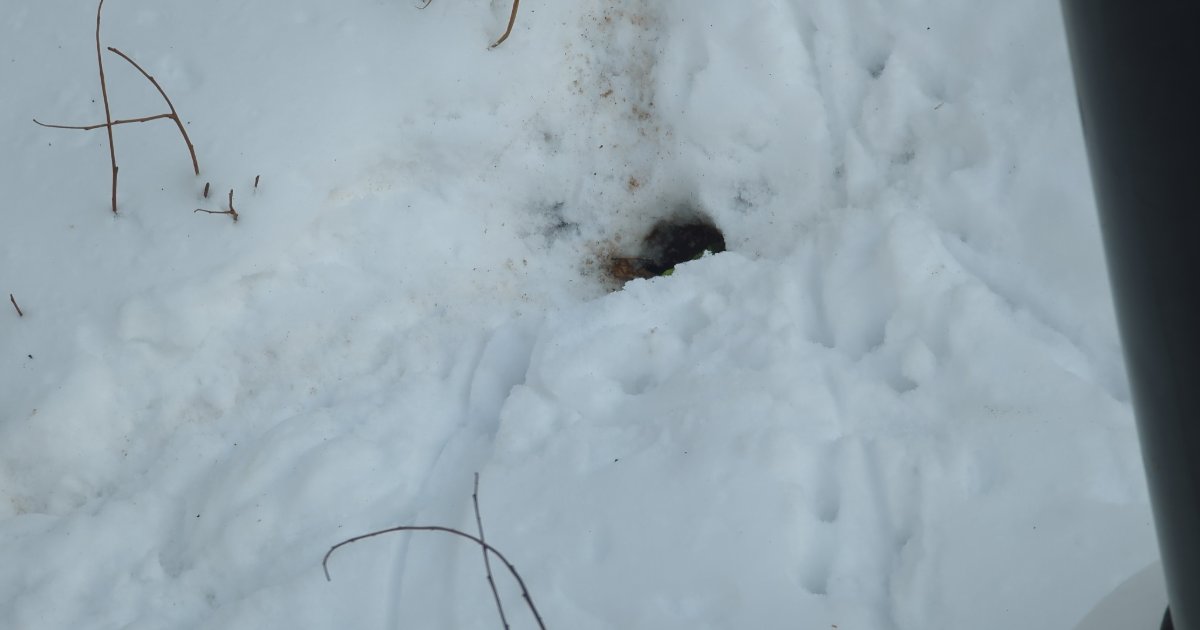
What rats do in winter
Hibernating animals slow their bodies down and live off stored fat for weeks. Rats don’t. They keep moving, feeding and nesting through the cold months, which is why UC IPM tells homeowners to check for signs of rats periodically all year, not just in summer.
- They keep eating. ICWDM says a Norway rat needs about 110 calories a day, and ½ to 1 ounce of water a day when it is eating dry food. That need doesn’t stop in December, so stored grain, pet food, birdseed, garbage and compost stay as attractive as ever.
- They nest somewhere warm. ICWDM says that in northern climates Norway rats prefer to put their nests near sources of heat. Outdoors that can mean a burrow under a slab or beside the foundation; in a building, a warm, undisturbed corner.
- They breed less. ICWDM says Norway rats usually breed most in spring and fall, with breeding declining in the heat of summer and often stopping in winter, depending on habitat, and that these seasonal swings are strongest in extreme climates. Roof rats also peak in spring and fall, and in tropical or semitropical regions can breed nearly all year (ICWDM).
Put together, in cold climates the rats you have in December are mostly the ones born before it got cold, and they will start breeding again as the weather warms. For how long a rat lives, see how long do rats live?
Which rat are you dealing with in winter?
ICWDM says the roof rat is more at home in warm climates and less adaptable than the Norway rat, which is why it has not spread across the country. Its range in the United States is mainly the lower half of the East Coast, the Gulf States up into Arkansas, and the Pacific Coast. UC IPM says Norway rats live throughout the 48 contiguous states. So in a cold-winter state, a rat in the basement, garage or crawl space is very likely a Norway rat. How to tell the two apart, and why it changes what you do, is in roof rat vs Norway rat.
Will rats come into the house in winter?
If they can get in, they may. UC IPM says that once rats have moved into a garden or landscaping, it is only a matter of time before they get indoors unless the house is truly rodent-proof. A house gives them what ICWDM says northern Norway rats look for in winter: a nest site near heat, close to food. Gaps around pipes and wires, under doors and garage doors, and around crawl space and foundation vents are the usual ways in; see how do rats get in your house?
Signs that rats have moved in are the same in winter as in any season: droppings, gnawing, smudge marks and noises at night. See signs of rats, and if the noises are overhead, rats in the attic.
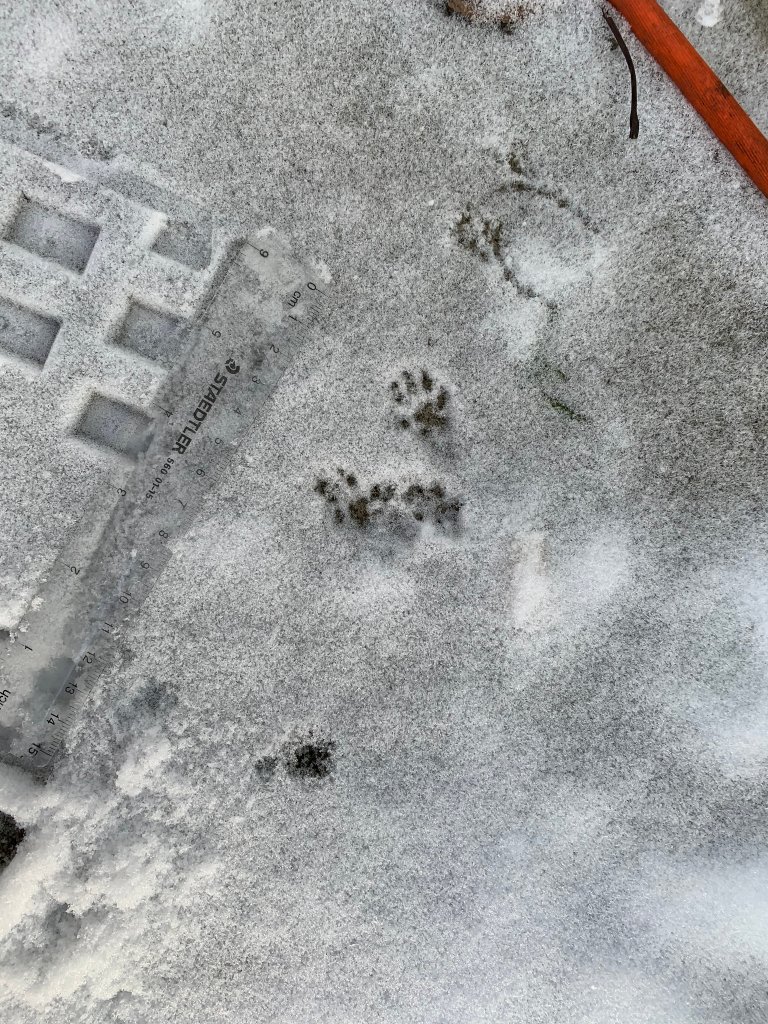
What to do about rats in winter
- Don’t wait for spring. ICWDM says rats should be controlled as soon as they are noticed, and UC IPM says less time and effort and fewer traps are needed when numbers are low. A colony that winters in your crawl space starts the spring breeding season already in place.
- Take away the winter food. CDC says to keep grains and animal feed in thick plastic or metal containers with tight lids, keep bird feeders away from the house, and keep compost at least 100 feet away. Pet food left out overnight, indoors or out, feeds rats too.
- Take away the shelter near the house. CDC says to move woodpiles 100 feet or more from the house and raise the wood a foot off the ground. Firewood stacked against a wall is warm, dry cover right next to the way in.
- Seal the gaps. UC IPM calls exclusion the most successful and longest-lasting way to control rats around buildings; seal holes larger than 1/4 inch with metal, hardware cloth or concrete. Trap the rats that are already inside before or while you seal, so you don’t shut them in.
- Trap where the signs are. Placement matters more than the trap type, UC IPM says. Types, bait and placement are in best rat traps, and the full plan in how to get rid of rats.
Questions people ask
Do rats die in the winter?
Some do, as wild animals do in any season, but cold does not clear out a rat problem. ICWDM says Norway rats in cold climates nest near heat, and UC IPM says Norway rats live in every one of the 48 contiguous states, including the coldest.
Are rats less active in winter?
They breed less, and ICWDM says breeding often stops in winter in harsh climates. We found no agency saying that rats feed or travel less in winter, and UC IPM says they are active throughout the year.
Do mice hibernate?
No. House mice also stay active in winter; see do mice hibernate?
Can rats survive in the walls all winter?
If they have food and water within reach, yes. A wall void near a furnace flue or a water heater would fit ICWDM’s description of a nest site near heat. See rats in the walls for how to get them out without sealing them in.
In short
Rats don’t hibernate. In winter they nest near warmth, breed less and keep eating, and where winters are cold the rat you have is almost always a Norway rat. Winter is a good time to act: put away feed and birdseed, move the woodpile, seal the gaps and trap the rats that are already inside.
Sources and verification
- UC IPM — Pest Notes: Rats (June 2025)Rats are active throughout the year, so check for signs periodically; less time, effort and fewer traps when numbers are low; once rats are in the landscaping, they get indoors unless the house is rodent-proof; Norway rats live throughout the 48 contiguous states; exclusion as the most successful and longest-lasting strategy, sealing holes larger than 1/4 inch; trap placement matters more than trap type.
- ICWDM — Norway Rat BiologyBreeding peaks in spring and fall, declines in the heat of summer and often stops in winter, depending on habitat, most pronounced in extreme climates; in northern climates nests are placed near sources of heat; about 110 calories a day; ½ to 1 ounce of water a day on dry food.
- ICWDM — Roof Rat Biology and Roof RatsBreeding seasons vary by area, nearly year-round in tropical or semitropical regions, usually peaking in spring and fall; the roof rat is more at home in warm climates and less adaptable than the Norway rat; U.S. range.
- ICWDM — Norway Rat Damage Prevention and Control MethodsRats should be controlled as soon as they are noticed.
- CDC — How to Seal Up to Prevent Rodents (April 8, 2024)Grains and animal feed in thick plastic or metal containers with tight lids; bird feeders away from the house; compost at least 100 feet away; woodpiles 100 feet or more from the house and a foot off the ground; pet food and bowls not left out overnight.