
Rooms and places
Rats in the Garage: Why They Come In, How They Get Past the Door, and How to Get Rid of Them
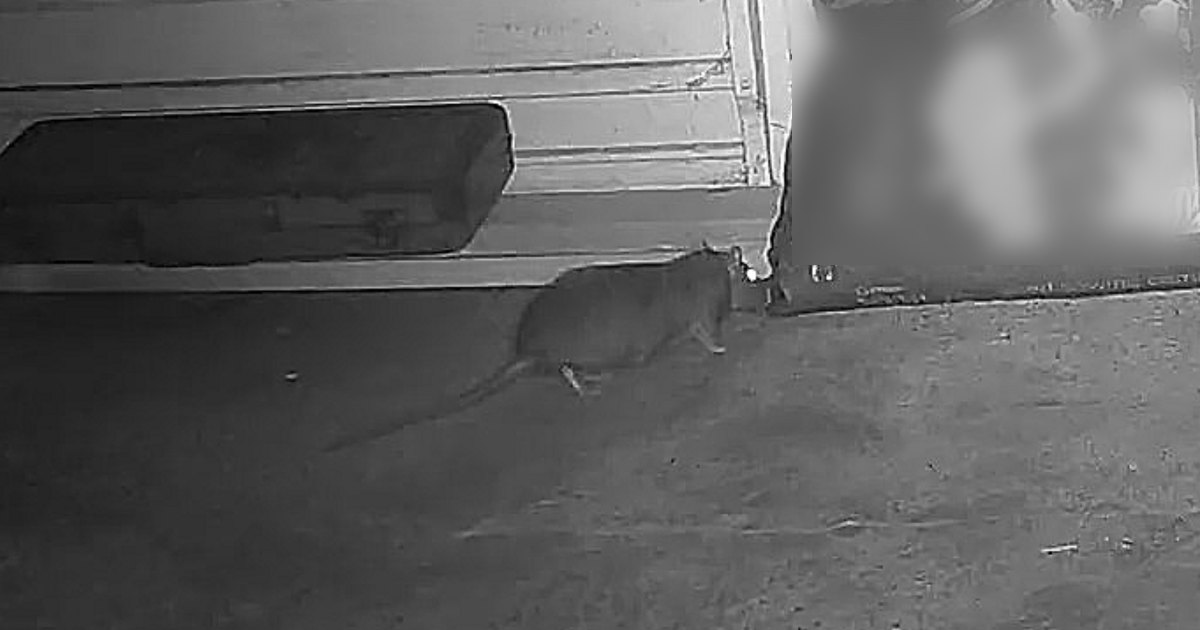
A garage gives rats what they look for: stored pet food, birdseed and garbage, boxes and clutter to nest behind, and a big door that rarely seals at the bottom or sides. This guide goes through what university and federal guides say about rats in garages: the signs, the gaps rats use, how to trap them, and what to seal the door with so they cannot chew back in.
Short answer
- Rats nest in cluttered garages. UC IPM lists rat nests behind boxes and in cluttered garages among the signs of rats. Stored pet food, feed, birdseed and garbage keep them there.
- The door is the usual way in. ICWDM’s rodent-proofing guide says rats get into garages through open doors and under and beside poorly fitting garage doors, and can climb the gap between an overhead door’s track and the wall.
- A 1/2-inch gap is enough for a young rat (UC IPM). Keep the gap under the door to 1/4 inch or less, and use metal, not soft rubber, where rats gnaw.
- Trap first, with rat-size snap traps along the walls, unset until the bait has been taken. UC IPM calls snap traps the safest, most effective and most economical way to trap rats.
- Check the car. UC IPM says rats commonly gnaw engine wiring.
Why rats come into the garage
Food and cover. UC IPM names cluttered garages and woodpiles as rat nesting sites, and lists rat nests behind boxes or in drawers in the garage as a sign of rats. ICWDM says roof rats may keep food stores behind boxes in a garage. What draws them in:
- Pet food. UC IPM says to store it in rodent-proof containers; CDC says not to leave food or water bowls out overnight.
- Grain, feed and birdseed. CDC says to keep grain and animal feed in thick plastic or metal containers with tight lids. Cornell’s IPM program says to keep birdseed in pest-proof containers.
- Garbage. CDC: a thick plastic or metal can with no holes and a tight lid. ICWDM says galvanized steel containers in good condition resist rats better than vinyl or plastic ones.
- Clutter. UC IPM recommends tidy storage off the ground for lumber, firewood, crates and boxes. ICWDM says to keep stored materials away from the walls.
Utah State University Extension says mice and rats may enter buildings with the onset of cold weather, and a garage is often the first building they reach. More on what attracts rats is in what attracts rats?
Signs of rats in a garage
- Droppings about 1/2 to 3/4 inch long (NC State), far larger than mouse droppings. Norway rat droppings have blunt ends; roof rat droppings are more pointed. See mouse droppings vs rat droppings.
- Gnaw marks on boxes, bags, door edges and wiring. UC IPM says rat tooth marks are about 1/6 inch (4 mm) wide, twice as wide as a mouse’s. See rodent gnaw marks.
- Smudge marks along walls, beams and pipes, where rats rub their fur as they pass (UC IPM).
- Burrows along the outside of the slab or foundation. ICWDM says active Norway rat burrow openings are 2 to 3 inches across.
- Nests behind boxes, in drawers, under shelves (UC IPM).
To check the garage floor, ICWDM suggests painting a 12-inch white band on the floor beside the walls, so droppings stand out. The full list of signs, and how to tell whether rats are there now, is in signs of rats in the house.
Rat or mouse?
Dropping size and gnaw marks settle it. If the signs point to mice, the traps and some of the sealing are different; see mice in the garage. If it is a rat, it is most likely a Norway rat, which lives at ground level and burrows. Roof rats are climbers; ICWDM says that for roof rats in homes, the best trap sites are the attic and garage rafters near the infestation. How to tell the two apart is in roof rat vs Norway rat.
How rats get into a garage
| Way in | What the sources say |
|---|---|
| Under the garage door | ICWDM: the gap between the bottom of the door and the threshold should not exceed 1/4 inch; bent bottom rails and floors heaved by frost leave gaps. UC IPM: a young rat can squeeze under a door with a 1/2-inch gap. |
| Beside and above an overhead door | ICWDM: rats climb the space between the door and the wall or track to the top, then go down inside. Gaps between track and wall are common, especially on brick. Close them with conveyor belt material. |
| Weatherstripping | ICWDM warns that unprotected soft rubber or vinyl weather stops are gnawed through quickly. UC IPM: typical weatherproofing may not keep rats out. |
| Side doors | UC IPM: doors should fit tightly and be sealed at the threshold. CDC: check doors and windows, especially those without weatherstripping. |
| Pipes, wires and vents | UC IPM: seal openings around pipes and wires; screen vents with 1/2-inch galvanized wire cloth or expanded metal, never lightweight chicken wire. |
| Cracks in the slab or foundation | Norway rats burrow along foundations and under slabs (UC IPM); ICWDM recommends concrete mortar for masonry gaps. |
CDC’s own checklist says to seal outbuildings and garages as well as the house. An attached garage is also a route into the house, so check the door between the two. More on all the ways in is in how do rats get in your house?
How to trap rats in a garage
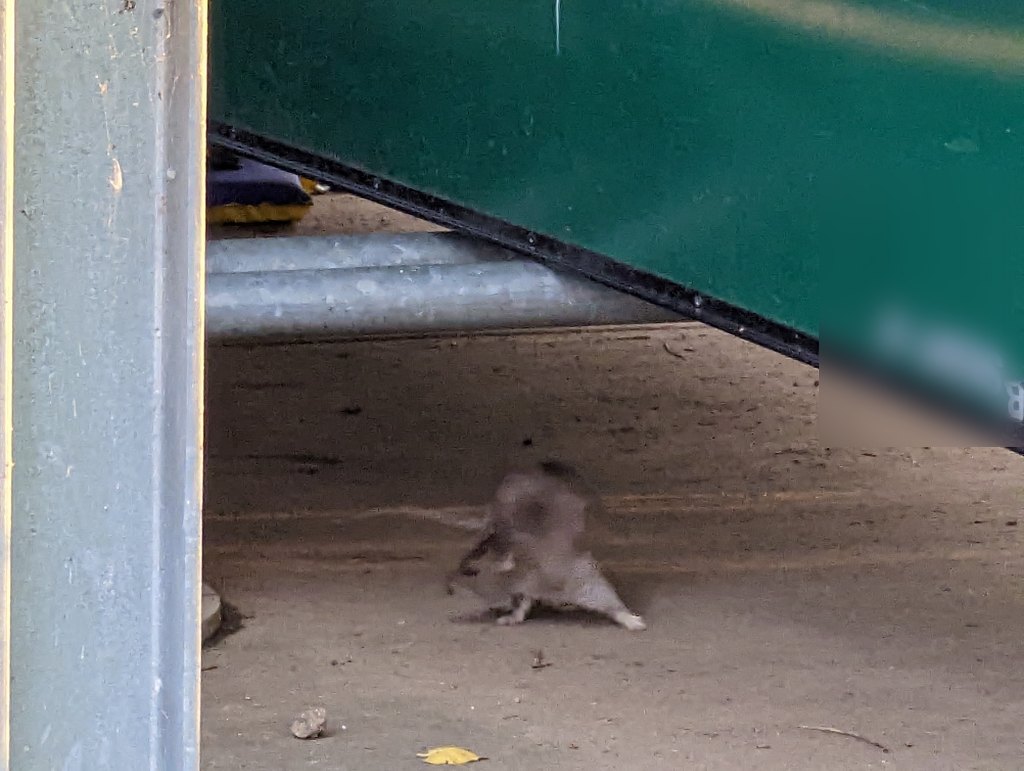
- Use rat-size snap traps. UC IPM calls them the safest, most effective and most economical way to trap rats. ICWDM recommends trapping first in homes, garages and other buildings where there are few rats.
- Put them along the walls. For Norway rats, UC IPM says close to walls, behind objects and in dark corners; ICWDM says trigger facing the wall and not directly in front of holes. For roof rats, add traps on shelves, ledges and rafters.
- Use enough. UC IPM spaces traps about 10 to 20 feet apart and says a heavily infested home may need a dozen or more.
- Pre-bait. Leave traps baited but unset until the bait has been taken several times (UC IPM). CDC suggests chunky peanut butter.
- Keep pets and children safe. UC IPM says to keep traps out of their reach, inside boxes or stations; ICWDM suggests stations or slanted boards over the traps.
- Check daily. CDC says to check traps every day, dispose of dead rodents right away, and not to use glue traps or live traps. NC State says catches can take up to a week to start.
Trap types, bait and spacing in detail are in best rat traps.
Should you use poison in a garage?
CDC says to use poison or bait stations only for infestations that persist. EPA rules limit consumer products to ready-to-use bait stations; loose pellets and second-generation anticoagulants are no longer sold to consumers. UC IPM warns that all rodenticides are toxic to pets and people, and that even a single poisoned rat can be enough to poison a pet that eats it. Never store bait next to pet food (EPA). In a garage where pets go, NC State advises relying on a professional if you think bait is needed. See mouse poison around pets.
How to rat-proof the garage door and walls
- Door bottom. Close the gap under the door to 1/4 inch or less (ICWDM; NC State). Where rats gnaw, protect the edge with galvanized sheet metal of 22 gauge or heavier (ICWDM). NC State describes rodent-proof door sweeps filled with metal mesh and metal kick plates and thresholds.
- Door sides and top. Close the gaps beside the track with conveyor belt material (ICWDM).
- Other gaps. UC IPM says to seal all holes larger than 1/4 inch to keep out both rats and mice, using steel wool, wire screen or sheet metal, and warns that rats chew through plastic, foam, wood and caulk. ICWDM recommends concrete mortar, 24-gauge galvanized sheet metal and 18-gauge hardware cloth.
- Trap before you seal, so you do not shut rats inside the garage or the house walls.
Materials and methods, step by step, are in how to seal entry points; for rats, use the heavier materials.
Rats and your car
UC IPM says rats commonly gnaw the insulation on engine wires and suggests a weighted car cover to keep them out of the engine. If you find droppings or nesting material in the car, CDC says to open the hood, doors and trunk and let it air for 20 minutes, then disinfect, without vacuuming first. More in mice in your car, which applies to rats too.
Cleaning up after rats in the garage
CDC’s method: air the garage for 30 minutes with the doors open, wear gloves, do not sweep or vacuum, spray droppings and urine with disinfectant or 1 part bleach to 9 parts water, wait 5 minutes, wipe up with paper towels and put them in a covered can. Then mop the floor and wash your hands. Throw out chewed or soiled boxes and bags. Details are in how to clean mouse droppings and, for the smell, rat urine smell.
When to call a professional
Signs that keep coming back after trapping and sealing, rats you cannot reach, rats traveling on overhead wires (UC IPM says to call a pest professional or the utility company) or a decision to use bait around pets are all reasons. See when to call an exterminator.
Questions people ask
How do rats get in when the garage door is closed?
Under it, beside it, or over the top. ICWDM says rats get in under and beside poorly fitting garage doors and climb the gap between the door track and the wall. A 1/2-inch gap is enough for a young rat (UC IPM).
Will rats in the garage get into the house?
They can. ICWDM describes the garage as an easy way into a building. Check the door from the garage to the house and the gaps around pipes and wires that pass through the shared wall.
What should I put at the bottom of the garage door?
Something metal. ICWDM warns that soft rubber or vinyl weather stops are gnawed through quickly and recommends galvanized sheet metal on gnawed edges; NC State describes door sweeps filled with metal mesh.
How many traps do I need for a garage?
No source gives a number for a garage. UC IPM spaces traps 10 to 20 feet apart along the walls and says a heavily infested home may need a dozen or more, so most garages need several.
Is rat poison safe in a garage with pets?
Not without great care. UC IPM says all rodenticides are toxic to pets, and a pet can be poisoned by eating a poisoned rat. Use traps first.
In short
Rats come into garages for stored food and clutter and get in under and beside the door. Put pet food, feed, birdseed and garbage in metal or thick plastic containers with tight lids, get stored things off the floor and away from the walls, trap along the walls with rat-size snap traps, then close the gap under the door to 1/4 inch with metal and seal the gaps beside the track and around pipes.
Sources and verification
- UC IPM — Pest Notes: RatsNests in cluttered garages and behind boxes; pet food storage; tidy storage off the ground; 1/2-inch gap under doors; typical weatherproofing may not be enough; seal holes larger than 1/4 inch; materials rats chew through; vent screening; snap traps; trap placement, spacing and numbers; pre-baiting; traps out of reach of pets and children; rodenticide toxicity and secondary poisoning; engine wiring and car covers; overhead wires; smudge marks; tooth mark width.
- ICWDM — Rodent-Proof Construction and Exclusion Methods (Baker, Bodman and Timm, 1994)Rodents get into garages through open doors and under and beside poor-fitting doors; climbing between overhead door tracks and walls; conveyor belt material; 1/4-inch maximum gap under doors; soft rubber and vinyl weather stops; 22-gauge sheet metal on door edges; the garage as a route into the building.
- ICWDM — Norway Rat Damage Prevention and Control Methods, Norway Rats and Roof RatsGalvanized containers; stored materials away from walls and a white band on the floor; sealing materials; trapping first in garages; trap orientation; burrow size; roof rat food stores behind boxes and trap sites in garage rafters.
- CDC — How to Seal Up to Prevent Rodents, How to Trap Up to Remove Rodents and How to Clean Up After RodentsSeal outbuildings and garages; containers for feed and garbage; pet bowls; peanut butter bait; check traps daily, no glue or live traps; poison only for persistent infestations; cleanup method; airing out a vehicle.
- NC State Extension — Surveillance and Management of Common Structure-Invading RatsGap sizes for young and adult rats; 1/4-inch door clearance; mesh-filled door sweeps, kick plates and thresholds; dropping size; catches can take a week; professional help for baiting.
- EPA — Restrictions on Rodenticide Products and Safely Use Rodent Bait ProductsConsumer products limited to ready-to-use bait stations; storing bait away from pet food.
- Utah State University Extension — How to Rid Your House of Rodents and Cornell NYS IPM — Birdseed pestsRodents enter buildings with cold weather; birdseed in pest-proof containers.