
Traps and materials
How to Get Rid of Rats: A Step-by-Step Plan for Norway Rats and Roof Rats
Getting rid of rats starts with a question most guides skip: which rat is it? Norway rats live low, in burrows and basements; roof rats live high, in trees, attics and walls. CDC and university extension guides agree on the rest of the job: find how they get in and close it, trap the rats already inside with traps they have learned to trust, take away food and shelter outdoors, clean up safely, and keep checking until new signs stop.
Short answer: work out which rat you have, find the signs and the way in, seal openings with metal or concrete, not foam, then pre-bait rat-size snap traps and set them where that species travels. Clear the yard and collapse burrows, clean up without sweeping or vacuuming, and keep trapping until a week passes with no catches and no new signs. Poison, gas and dry ice are not where to start; see why.
This page puts the steps in order. Several of them have their own detailed guides on RodentVerify, linked as you go.
| Step | What it involves | In detail |
|---|---|---|
| 1. Which rat? | Norway rat (low, burrows) or roof rat (high, climbs) | Mouse vs rat |
| 2. Find them | Droppings, gnawing, runways, burrows; how they get in | Do I have mice or rats? |
| 3. Seal the way in | Openings from 1/4 to 1/2 inch; metal, hardware cloth, concrete | How to seal entry points |
| 4. Trap | Rat-size snap traps, pre-baited, 10 to 20 feet apart, at least 15 days | Best bait for traps (rats section) |
| 5. Yard and burrows | Food, water, cover, fruit; collapse burrows | Below |
| 6. Clean up | Ventilate, gloves, soak with disinfectant; no sweeping or vacuuming | How to clean droppings |
| 7. Confirm they are gone | A week with no catches and no new signs ends trapping | How to know they are gone |
Step 1: Work out which rat you have
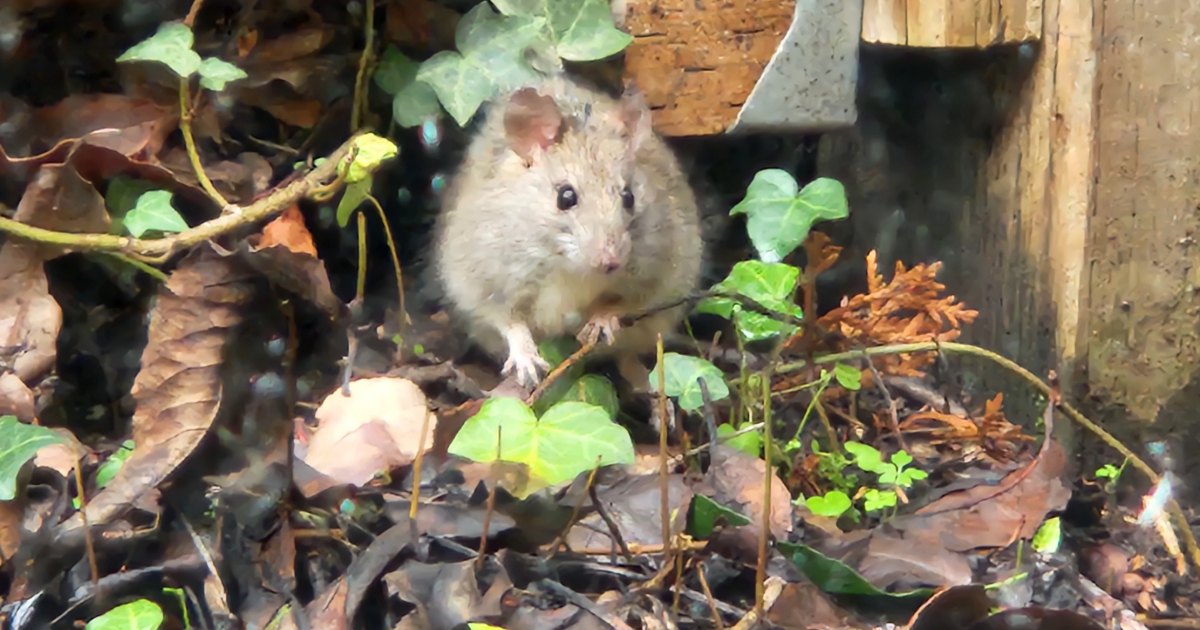
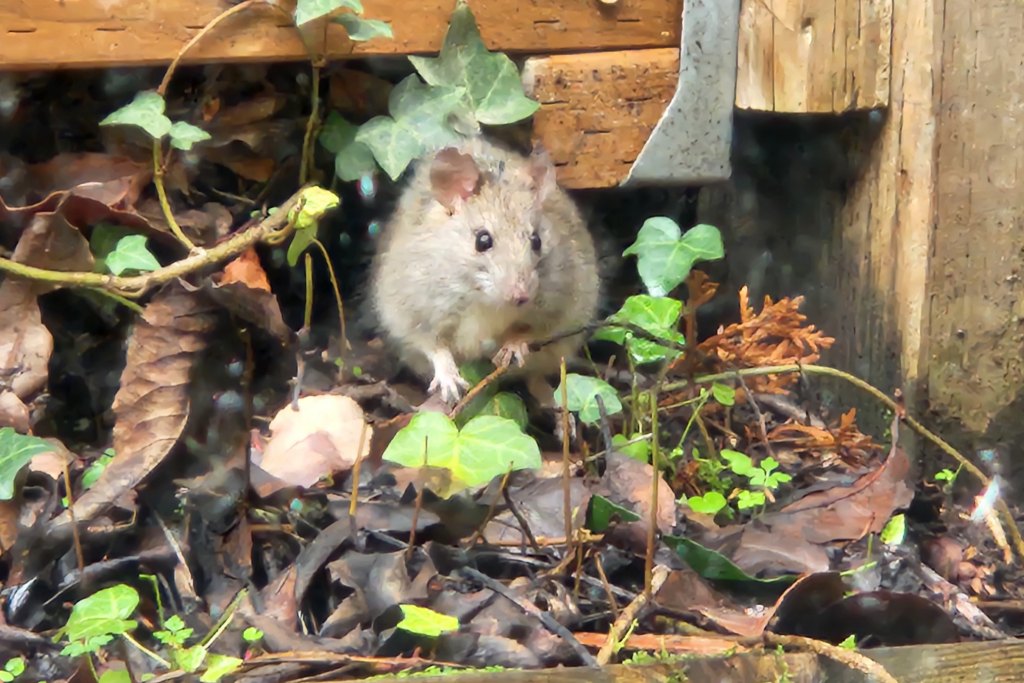
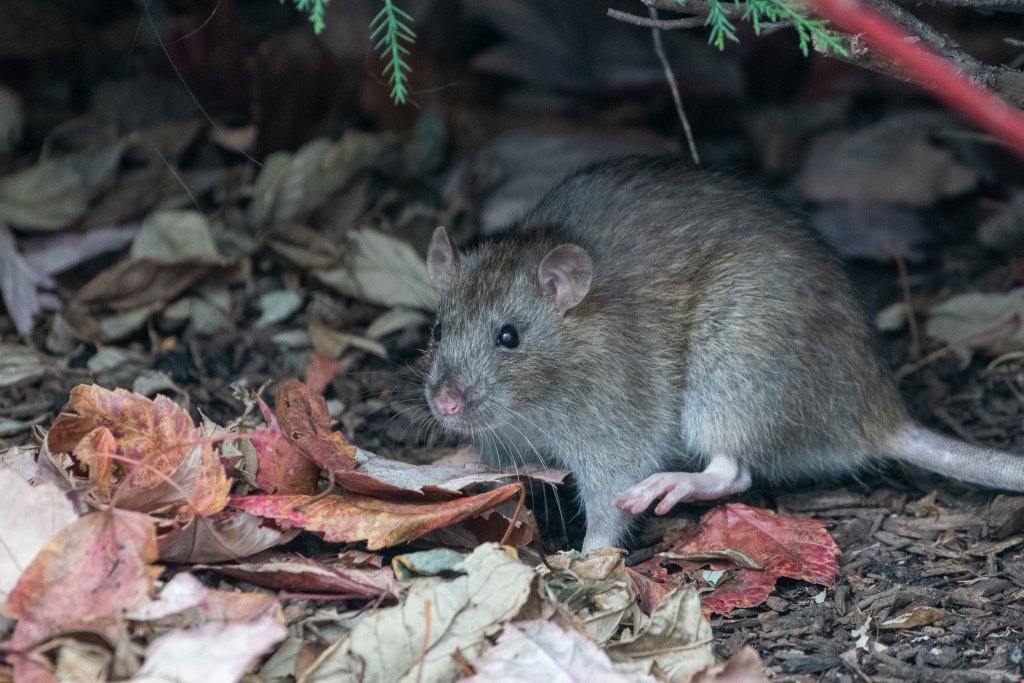
Two introduced rats cause most problems around U.S. homes, and they behave differently enough to change where you search, where you set traps and what you seal. UC IPM gives the field differences (more on telling them apart in roof rat vs Norway rat):
| Norway rat | Roof rat | |
|---|---|---|
| Adult weight | 7 to 18 ounces | 5 to 10 ounces |
| Muzzle and ears | Blunt muzzle; ears do not reach the eyes when folded over | Pointed muzzle; ears reach the eyes |
| Tail | Shorter; reaches about the middle of the skull when laid forward | Longer; reaches at least the snout |
| Usual nest | Burrows along foundations, under rubbish or woodpiles; basements and ground floors | Above ground: shrubs, trees, dense vegetation, attics, wall voids |
| Nightly travel for food | 100 to 500 feet from the nest | Up to 300 feet or more |
These are tendencies, not rules. UC IPM notes that roof rats will sometimes burrow, and that Norway rats in ceiling voids are not uncommon. The travel distances matter too: the rats in your yard may be nesting next door, so look wider than you would for mice.
Not sure it is a rat at all? A young rat can look like a large mouse. Mouse vs rat walks through the check, and mouse droppings vs rat droppings compares the evidence you are more likely to find. If it turns out to be mice, the plan is in how to get rid of mice.
Step 2: Find the signs and the way in
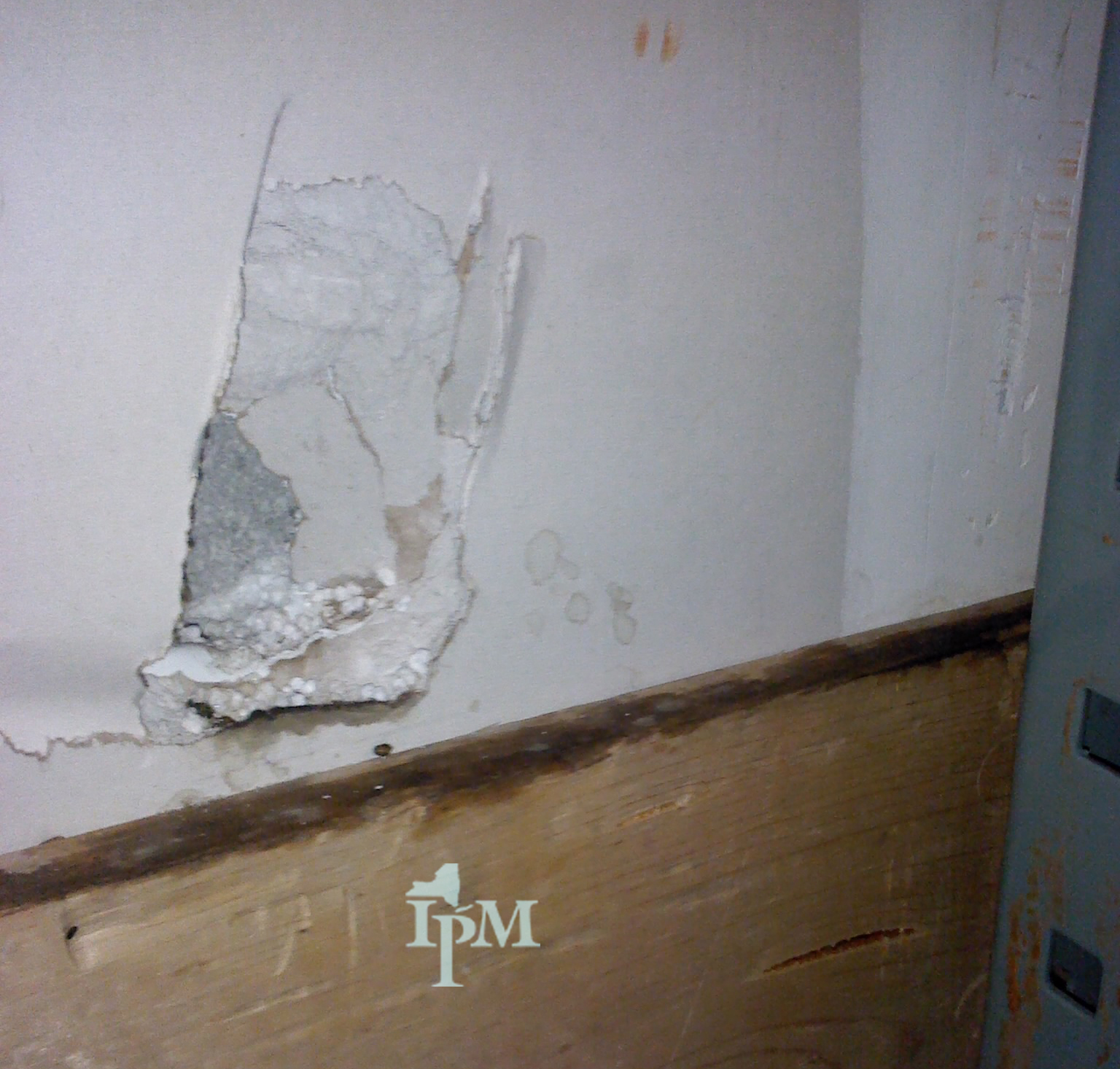
When New York City inspectors check a property for rats, they look for burrows, active runways, fresh droppings and fresh gnaw marks. Dark grease marks along walls and around holes, where rats rub as they pass, show a regular route. Rodent gnaw marks and scratching in walls at night help with the less obvious signs.
Rats get in by gnawing, climbing, jumping and even swimming. UC IPM says they can enter through toilets or broken drains, and ICWDM notes that Norway rats live in the sewers of some towns and cities. Where to look depends on the species:
- Norway rats: the foundation, gaps around pipes and utility lines at ground level, garage and basement doors, crawl spaces. See basement and garage.
- Roof rats: the roofline, vents, eaves, and anything they can climb to reach the roof: trees, vines, fences, utility lines. See rats in the attic and rats in the walls. If roof rats are traveling on overhead utility wires, UC IPM says to contact a pest professional or the utility company.
Step 3: Seal the way in, while trapping the rats inside
CDC’s guidance starts with entry points: check inside and outside to see how the rodents got in, seal those holes, and set traps for any that are still inside. UC IPM adds a reason to do it early: close the entry points before baiting anything outside, so that poisoned rats do not come indoors to die.
How small is small enough? UC IPM says young rats of either species can squeeze under a door with only a 1/2-inch gap, and that all holes larger than 1/4 inch should be sealed to keep out both rats and mice. ICWDM sets the line for rats at openings larger than 1/2 inch. The smaller figure covers both.
What to use. UC IPM is blunt: rats can chew through plastic, foam, wood and caulk. For openings, it lists steel wool, wire screen and sheet metal. ICWDM’s materials for Norway rats are concrete mortar, 24-gauge galvanized sheet metal and 18-gauge hardware cloth; CDC adds lath screen, metal sheeting and cement for larger holes. Foam can fill a gap behind metal, but it is not the barrier. Room-by-room details are in how to seal entry points.
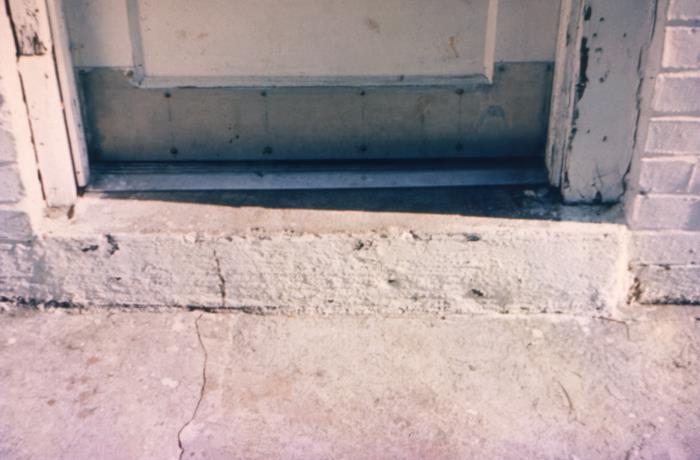
- Against burrowing (Norway rats): ICWDM says a strip of heavy gravel next to foundations will reduce burrowing: gravel at least 1 inch across, in a band at least 2 feet wide and 6 inches deep.
- Against climbing (roof rats): UC IPM recommends at least 2 feet of space between shrubs and between shrubs and buildings. For trees, its quick tips say to prune limbs within 3 feet of a roof, and its full guide says overhanging limbs within 6 feet should be removed.
If rats are inside the walls or attic: sealing every hole at once can shut live rats inside. ICWDM’s suggestion is to plug holes loosely with paper first and see which ones get opened. Our working approach, explained in rats in the walls, is to trap first, find the holes still in use, then seal them. This is RodentVerify’s reasoning, not an official rule.
Step 4: Pre-bait, then trap where your rats travel
CDC recommends traditional snap traps and notes that there are different traps for mice and rats. UC IPM calls snap traps the safest, most effective and most economical way to trap rats. Mouse traps are too small; mice and small young rats, in turn, often will not set off a rat trap.
Pre-baiting is what makes rat trapping work. CDC says rats tend to fear anything new and that several days may pass before they approach a trap. Its advice: bait the traps without setting them, and set them once you see the bait being eaten. UC IPM says rats may avoid new traps for the first several days, perhaps weeks, and thinks this wariness is stronger in roof rats. What to use as bait, and how long to wait, is in best bait for traps; trap types, numbers and placement in detail are in best rat traps.
- How many: UC IPM says a heavily infested home might need a dozen or more traps, placed about 10 to 20 feet apart.
- Where, for Norway rats: close to walls, behind objects, in dark corners (UC IPM). CDC’s placement for rodents generally is on the floor against the wall, baited end touching the wall.
- Where, for roof rats: on the ground and above it: ledges, shelves, beams, pipes, fences. UC IPM says to secure traps to the surface where possible.
- Outdoors: UC IPM says to set traps inside boxes or stations, or behind a barrier, so pets and wildlife cannot reach them. CDC: keep traps out of reach of children and pets.
- How long: CDC says to check traps daily, check the bait weekly, and keep traps out for at least 15 days, longer if signs continue.
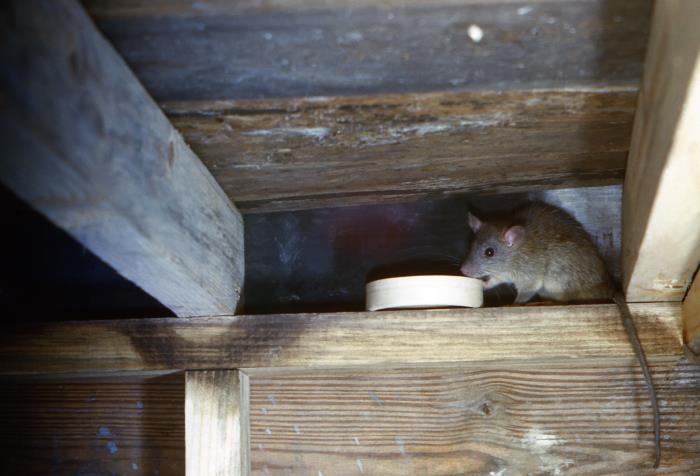
Skip glue boards and live traps. CDC advises against both: a frightened rodent may urinate, which raises your chance of getting sick. UC IPM says glue boards are not generally for nonprofessional use and should never be used outdoors, where they catch wildlife. It also says live trapping of rats is not recommended for nonprofessionals; in California, where UC IPM writes, a trapped rat must legally be humanely euthanized or released immediately where it was caught. Electric traps can work, UC IPM says, but they cost more and also need pre-baiting.
Step 5: Take away food, cover and burrows
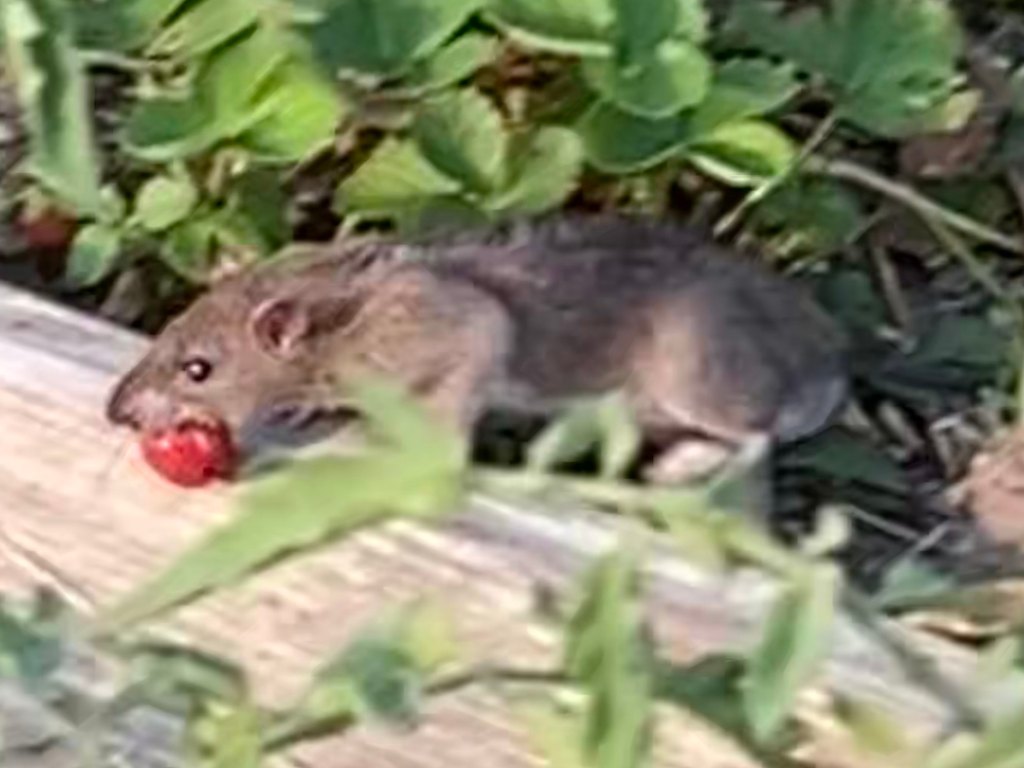
New York City’s health department puts it simply: rats only need one ounce of food a day. Indoors, CDC says to keep food in thick plastic, metal or glass containers with tight lids and not to leave pet food or water out overnight. Outdoors, UC IPM says roof rats prefer fruits, tree nuts and berries, Norway rats prefer grains, meat, fish, nuts and some fruits, and a ready supply of dog food outdoors can start a rat problem.
- Keep garbage in metal or heavy plastic cans with tight-fitting lids, and remove uneaten pet food (DC Health).
- Remove fallen fruit and nuts that have dropped from trees (UC IPM). Don’t leave dog food outdoors.
- Keep compost and woodpiles away from the house; CDC’s general rodent guidance is at least 100 feet for compost bins and woodpiles, with wood raised at least a foot off the ground.
- Thin dense plantings and take climbing ivy, star jasmine and honeysuckle off fences and buildings, where roof rats travel and hide (UC IPM).
Burrows. New York City advises collapsing earthen burrows, and warns against putting broken glass or chemicals into them. The sources we checked give no set number of days to wait before deciding a collapsed burrow is no longer in use, so watch whether it is reopened.
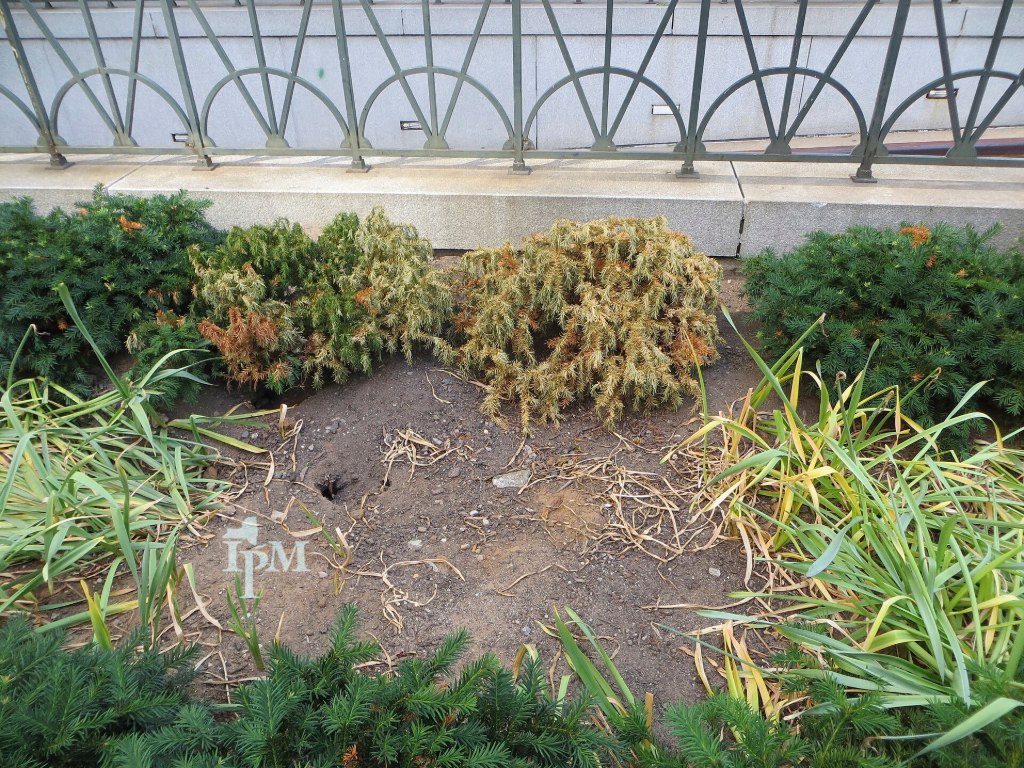
Smoke, gas and dry ice. UC IPM says smoke and gas cartridges are not recommended around homes: Norway rat burrows can run under a house, so the gas can get inside, and there is a fire risk. There is an EPA-registered carbon dioxide product for rat burrows, but its label sets the terms, such as outdoor use only and treated burrows at least 10 feet from occupied buildings on the 2018 label we checked. Dry ice from a store is not a registered pesticide product, and state rules differ. Burrow fumigants such as aluminum phosphide are highly restricted and for professionals (ICWDM).
What about poison?
CDC puts snap traps first and saves poison or bait stations for infestations that persist. There are good reasons. ICWDM points out that with traps indoors, there is no risk of a rat dying somewhere you cannot reach and causing an odor problem. UC IPM warns that pets and wildlife can be poisoned by eating rat carcasses, and EPA says to remove dead rodents promptly. If a rat has died in a wall, see what to do with a dead rodent.
EPA’s rules for products sold to consumers are narrow: ready-to-use bait stations holding a block or paste bait. Loose pellets and second-generation anticoagulants are not allowed in consumer products. States can go further. In California, residential use of the anticoagulant diphacinone has been prohibited since January 1, 2024, and of chlorophacinone and warfarin since January 1, 2025, with exemptions for certain agencies and sites. Check your state’s rules before you buy anything.
A rat fertility-control bait is also EPA-registered. Its label says it is not intended for consumer use, and it works by reducing reproduction, not by removing the rats you already have.
If someone may have swallowed rodent bait: call 911 if the person is unconscious, having trouble breathing or having convulsions. Otherwise call Poison Control at 1-800-222-1222. For product information, the National Pesticide Information Center is at 1-800-858-7378. For a pet, call your veterinarian or the ASPCA Animal Poison Control Center at (888) 426-4435, which is open around the clock; a consultation fee may apply. Keep the package so the product can be identified.
What does not work
- Ultrasonic devices. UC IPM says rats quickly get used to repeated sounds. ICWDM says ultrasonic devices have not been proven to control roof rats and do not control Norway rats. More in do ultrasonic pest repellers work.
- Repellents and smells. UC IPM: no repellents have been found to solve a rat problem for more than a very short time. ICWDM: no chemical repellents are registered for rat control. Peppermint oil is covered in does peppermint oil repel mice; mothballs, ammonia and pepper have no official backing.
- A cat, a dog or an owl box. UC IPM says cats and owls eat rats, but predators cannot significantly control animals that breed this fast. ICWDM calls predators of little, if any, value against roof rats, and says pets rarely control large populations of Norway rats.
Step 6: Health risks and safe cleanup
Rats carry diseases that matter for how you clean and handle them:
- Rat-bite fever: CDC says it can spread through bites, scratches, contact with a rodent’s saliva or urine, and contaminated food or water. It is rare in the U.S. Symptoms usually start 3 to 10 days after contact, and can take up to 21. If you get symptoms after contact with rodents, see a healthcare provider right away and mention the contact.
- Leptospirosis: spread through the urine of infected animals; CDC says the bacteria can survive in water or soil for weeks to months.
- Seoul virus: a hantavirus carried by Norway rats. CDC reports that wild Norway rats in the U.S. can carry it, but transmission to people is rare.
CDC’s cleanup method is the same for rats as for mice: air the space out for 30 minutes before you start and leave while it ventilates, wear rubber or plastic gloves, do not sweep or vacuum, soak droppings, urine and nests with a disinfectant or a fresh bleach solution (1½ cups of household bleach in 1 gallon of water) for 5 minutes or as the label says, then wipe up and double-bag dead rats and used traps. Heavy infestations need more protection. The full method is in how to clean droppings safely; see also are droppings dangerous.
Step 7: How to know the rats are gone
CDC’s trapping guide says that if no rodents are captured for a week and there are no new signs, the rats are gone. Treat that week as the point to stop trapping, not a guarantee: keep the repairs in place and watch the same spots. If new droppings, urine or gnawing keep appearing, keep trapping or get help. How to know they are gone covers the clean-baseline method.
Why rats come back
Numbers. UC IPM says an average female Norway rat has 4 to 6 litters a year and can wean 20 or more young annually, while roof rats average 3 to 5 litters of up to 8 young. Rats from neighboring properties travel hundreds of feet. That is why sealing, yard cleanup and garbage control are ongoing jobs, not one weekend’s work.
City help and when to call a professional
Some cities run their own rat programs. These are examples, not rules that apply everywhere; check with your city or county.
- New York City: report rats through 311. The Health Department inspects, sends the owner an order to fix conditions, and follows up about 10 days later; fines run from $300 to $2,000. Poisons should be applied by a New York State-licensed pest management professional, and owners of commercial and multi-unit buildings are legally required to hire one. The city’s guidance for professionals says most moderate-to-severe infestations need five to seven visits before service can drop to monthly or every two weeks.
- Washington, D.C.: call 311; DC Health’s Rodent Control Program schedules an inspection and abatement.
- Chicago: request rodent baiting through 311; Streets and Sanitation investigates and places rodenticide in rat burrows.
Outside these programs, CDC suggests professional help when trapping does not solve the problem, and UC IPM points to a professional or the utility company when roof rats travel on overhead wires. When you hire, EPA suggests asking to see the company’s license. More in when to call an exterminator.
Questions people ask
Can rats come up through the toilet?
It can happen. UC IPM lists toilets and broken drains among the ways rats get in, and ICWDM notes that Norway rats live in the sewers of some cities. A plumber can check for broken drain lines.
How long does it take to get rid of rats?
No official source gives a standard timeline. CDC’s minimum for trapping is at least 15 days, after pre-baiting, and it uses a week with no catches and no new signs as the point to stop. In New York City, professionals typically need five to seven visits for moderate-to-severe infestations.
Can I put dry ice in rat burrows?
Store-bought dry ice is not a registered rodenticide. A registered carbon dioxide product exists, with label limits on where and how it can be used, and state rules vary. UC IPM does not recommend smoke or gas cartridges around homes.
Should I put poison outside?
Not as a first step. CDC reserves bait stations for infestations that persist, and UC IPM says to close entry points first so poisoned rats do not die inside. Consumer products must be tamper-resistant bait stations, and some states, including California, restrict residential use further.
Will a cat get rid of rats?
Not reliably. UC IPM and ICWDM both say predators do not control rat populations.
The bottom line
Know which rat you have, because it decides where you look, trap and seal. Close openings with metal or concrete, pre-bait rat-size snap traps and set them on the routes your rats use, take away food and cover outdoors, and collapse burrows. Clean up wet, never dry, and keep trapping for at least 15 days and until a week passes with nothing new. Leave poison, gas and fumigants for persistent problems and licensed professionals, and check what your city and state allow.
Sources and verification
- CDC — How to Trap Up to Remove Rodents (April 2024)Check entry points first; snap traps; different traps for mice and rats; no glue or live traps; pre-baiting; several days before rats approach traps; daily checks and at least 15 days; the one-week stopping point; bait stations or professional help for persistent infestations.
- CDC — How to Seal Up to Prevent Rodents (April 2024)Sealing materials; food containers and pet bowls; distances for compost bins and woodpiles.
- CDC — How to Clean Up After Rodents (April 2024)Ventilation, gloves, no sweeping or vacuuming, bleach solution, soak time, double-bagging.
- CDC — About Rat Bite Fever (July 2024)How it spreads; symptom timing; rare in the U.S.; seek care after rodent contact.
- CDC — About LeptospirosisSpread through the urine of infected animals; survival in water and soil.
- CDC MMWR — Outbreak of Seoul Virus Among Rats and Rat Owners, 2017 (2018)Seoul virus carried by Norway rats; wild U.S. Norway rats can carry it; transmission to humans rare.
- UC IPM — Pest Notes: Rats (June 2025)Species differences; nesting; travel distances; toilets and drains; 1/2-inch door gap and 1/4-inch sealing; materials rats chew; shrub spacing and tree limbs; snap and electric traps; trap shyness; trap numbers, spacing and placement; boxes and stations; glue boards and live traps; smoke and gas cartridges; reducing access before baiting; secondary poisoning; ultrasonic devices, repellents and predators; litters.
- ICWDM — Norway Rat Damage Prevention and Control MethodsSewers; 1/2-inch openings; concrete mortar, sheet metal and hardware cloth; gravel strip against burrowing; aluminum phosphide; ultrasonic devices; pets.
- ICWDM — Roof Rat Prevention and Control Methods1/2-inch openings; traps on beams and pipes; no risk of rats dying in inaccessible places with trapping; ultrasonic devices; repellents; predators.
- EPA — Restrictions on Rodenticide Products (September 2026)Consumer products limited to ready-to-use bait stations with block or paste bait; no pellets or second-generation anticoagulants.
- EPA — Safely Use Rodent Bait Products (September 2026)Removing carcasses to prevent secondary poisoning; keeping bait from children and pets.
- EPA — In Case of Pesticide Emergency (July 2026)When to call 911; Poison Control and NPIC numbers.
- EPA — Tips for Hiring a Rodent Control Professional (January 2026)Asking to see a license.
- EPA — carbon dioxide rat burrow product label, Reg. No. 12455-148 (2018)Outdoor use; treated burrows at least 10 feet from occupied buildings.
- EPA — rat fertility-control bait label, Reg. No. 91601-1 (2025)Not intended for consumer use; reduces reproductive capacity in rats.
- California DPR — Chlorophacinone and Warfarin (December 2024)AB 2552: most uses, including residential, prohibited from January 1, 2025.
- California DPR — Diphacinone (December 2023)AB 1322: most uses, including residential, prohibited from January 1, 2024.
- NYC Health — Rats: Information for Tenants and Property OwnersOne ounce of food a day; collapsing burrows; no glass or chemicals in burrows; inspections, follow-up and fines; licensed professionals for poisons.
- NYC Health — What Happens to Your Rat ComplaintSigns inspectors look for; the complaint process.
- NYC Health — Rat Prevention: Information for Pest Management ProfessionalsFive to seven visits for moderate-to-severe infestations.
- DC Health — Rodent Control Tips for Residents311; pet food; garbage containers.
- DC Health — Rat Population Increase NoticeInspection and abatement by the Rodent Control Program.
- City of Chicago — 311 Rodent Baiting RequestsInvestigation of rat sightings; rodenticide placed in burrows.
- ASPCA — Animal Poison Control(888) 426-4435, open 24 hours; consultation fee may apply.